 Living Beings

 Framed for display
Species · Canis
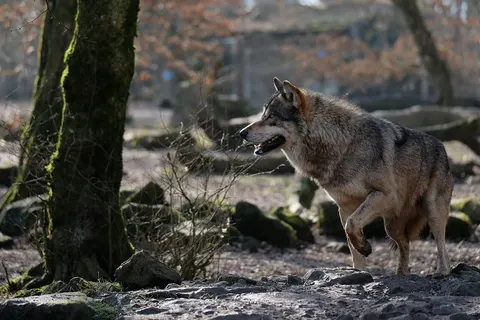
Gray Wolf
Canis lupus
Gray wolves are social canids whose family groups coordinate travel, defense and the care of young. Their behavior is flexible: prey, terrain …
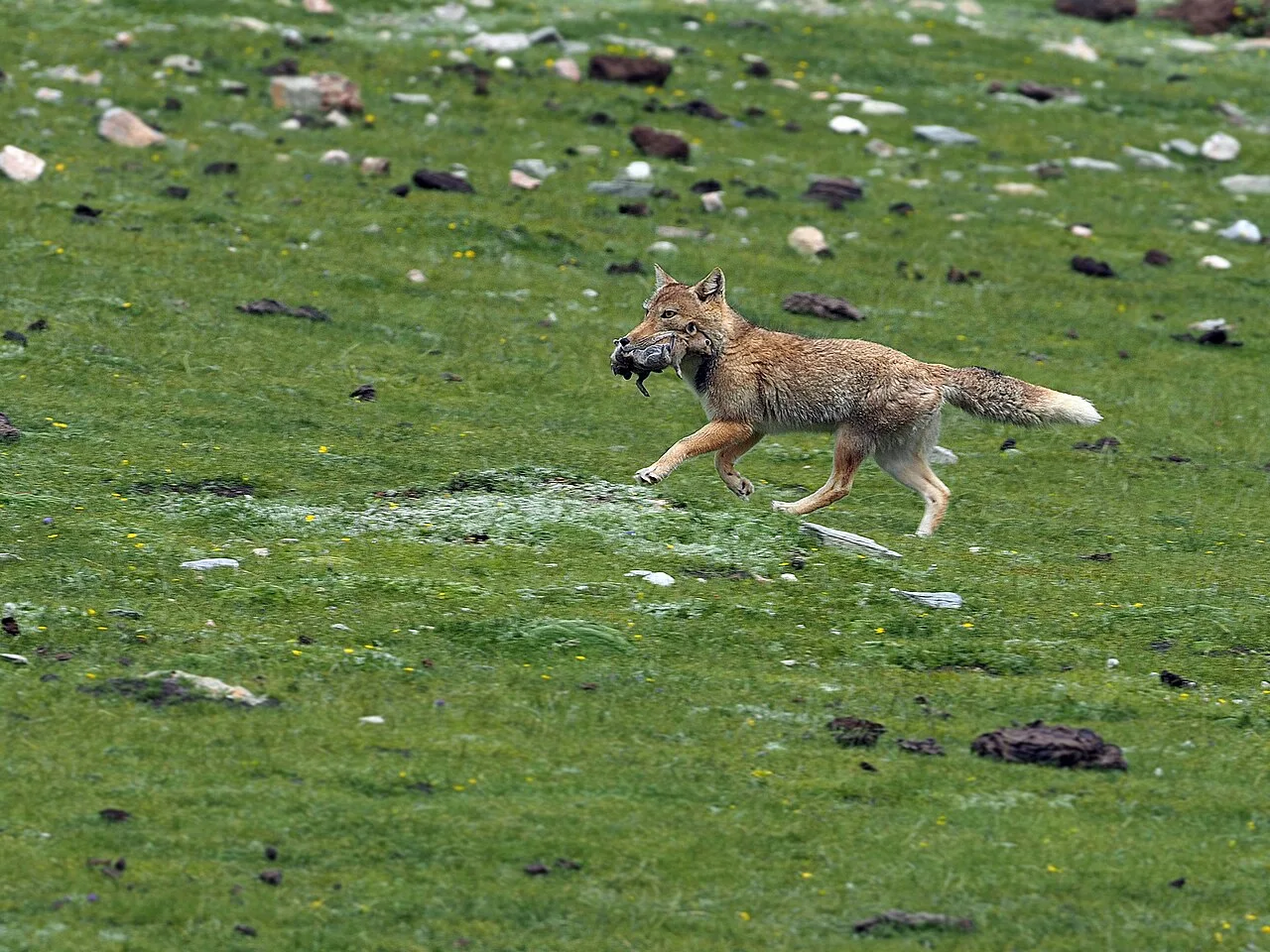
Vulpes ferrilata 367800858.jpg · Resized and converted to WebP for display. AI-generated illustration. James Eaton · CC0
Field guide · species
Vulpes ferrilata
The Tibetan fox is a highland canid associated with the Tibetan Plateau and nearby landscapes. Its ecology is tied to small mammals in open, elevated country.
Public research profile · final editorial review pending.
Complete source lineage, including intermediate ranks. The standard view uses Life and the eight principal ranks.
A broad-looking muzzle and dense, contrasting coat give it a distinctive facial profile.
Rocky, brushy slopes and other open highland habitats provide hunting grounds and shelter.
Pikas and other small mammals are important prey. Other available small animals may also be taken.
Mated pairs can associate while foraging. Food availability and the structure of the highland landscape influence local movements.
The Mammal Diversity Database v2.5 records this species in China, India, Nepal, Bhutan?.
Shared classification
Framed for display
Canis lupus
Gray wolves are social canids whose family groups coordinate travel, defense and the care of young. Their behavior is flexible: prey, terrain …
 Framed for display
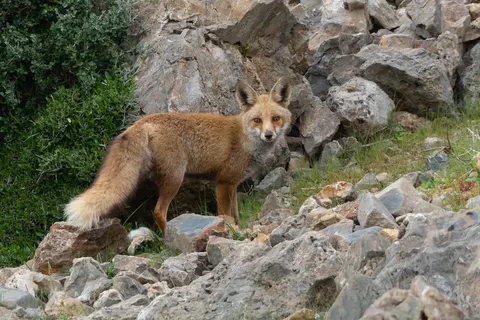
Vulpes vulpes
The red fox is a small canid with a pointed muzzle, large ears and a conspicuous tail. Its flexible feeding habits help …
 Framed for display
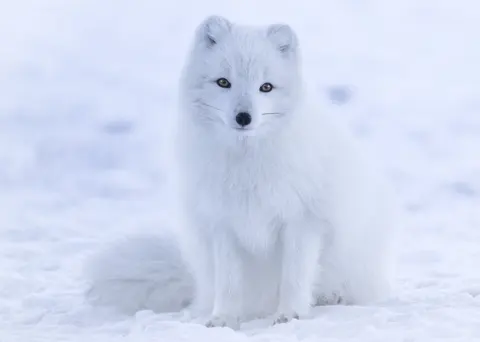
Vulpes lagopus
The Arctic fox is a small northern canid adapted to cold, open landscapes. Dense fur, compact ears and fur-covered feet help it …
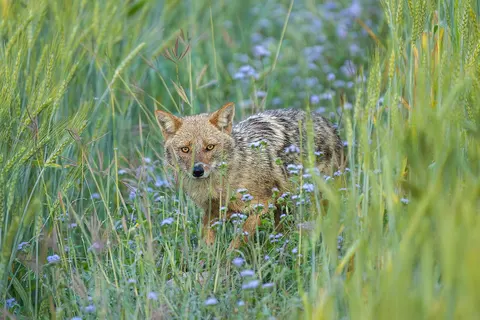 Framed for display
Canis aureus
The golden jackal is an adaptable canid whose common name has historically been applied too broadly. This account uses the current linked …
Evidence
Connected life
No reviewed ecological connections in the collection yet.
Explore network ↗