 Living Beings

 Framed for display
Species · Octopus
Common Octopus
Octopus vulgaris
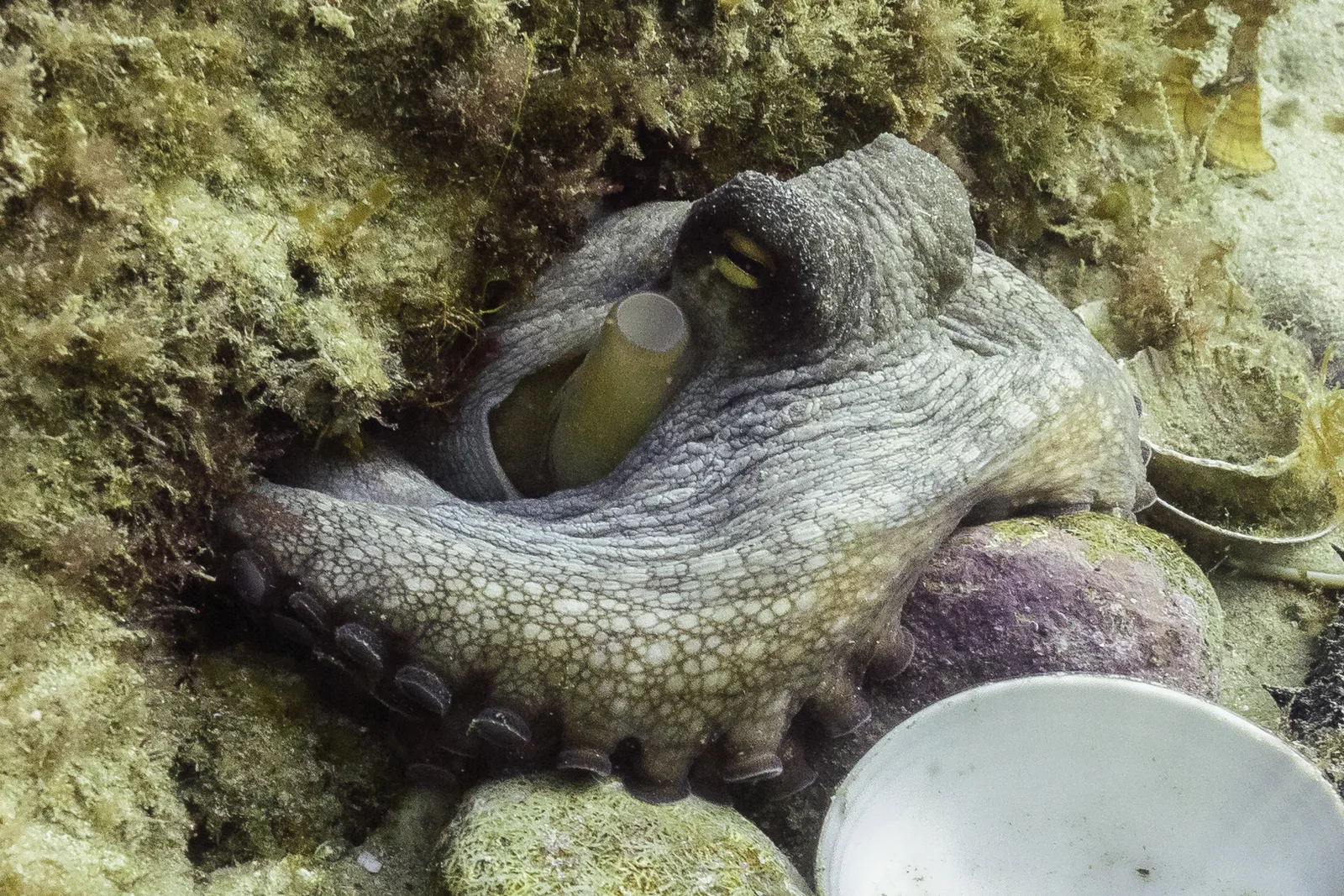
Eight flexible arms, a soft body and rapidly changing skin make the common octopus an effective coastal predator. The name once covered …
Class · Scientific classification
Cephalopods are molluscs whose modified foot forms arms and a funnel used in movement.
 Framed for display
Explore broader group · Mollusca ↗
NCBI Taxonomy (2026-11-05 reconciled backbone) · Taxon source ↗
Group guide
In cephalopods the foot is modified into appendages around the mouth and a funnel. Expelling water through the funnel can propel the animal. This body plan differs greatly from the creeping foot of many snails and the digging foot of a clam.
Source for a molluscan foot with a different job ↗Nautiluses retain an external shell. Squid and cuttlefish have internal shell structures, and most octopuses have a greatly reduced shell or lack one. Comparing the mantle, limbs and shell shows how a shared molluscan plan can be modified.
Source for shells provide another comparison ↗Within this taxon
Framed for display
Octopus vulgaris
Eight flexible arms, a soft body and rapidly changing skin make the common octopus an effective coastal predator. The name once covered …
 Framed for display
Octopus cyanea
The day octopus is a reef-dwelling cephalopod of the tropical Indo-Pacific. Unlike many octopuses that hunt mainly at night, it often searches …