 Living Beings

 Framed for display
Species · Octopus
Common Octopus
Octopus vulgaris
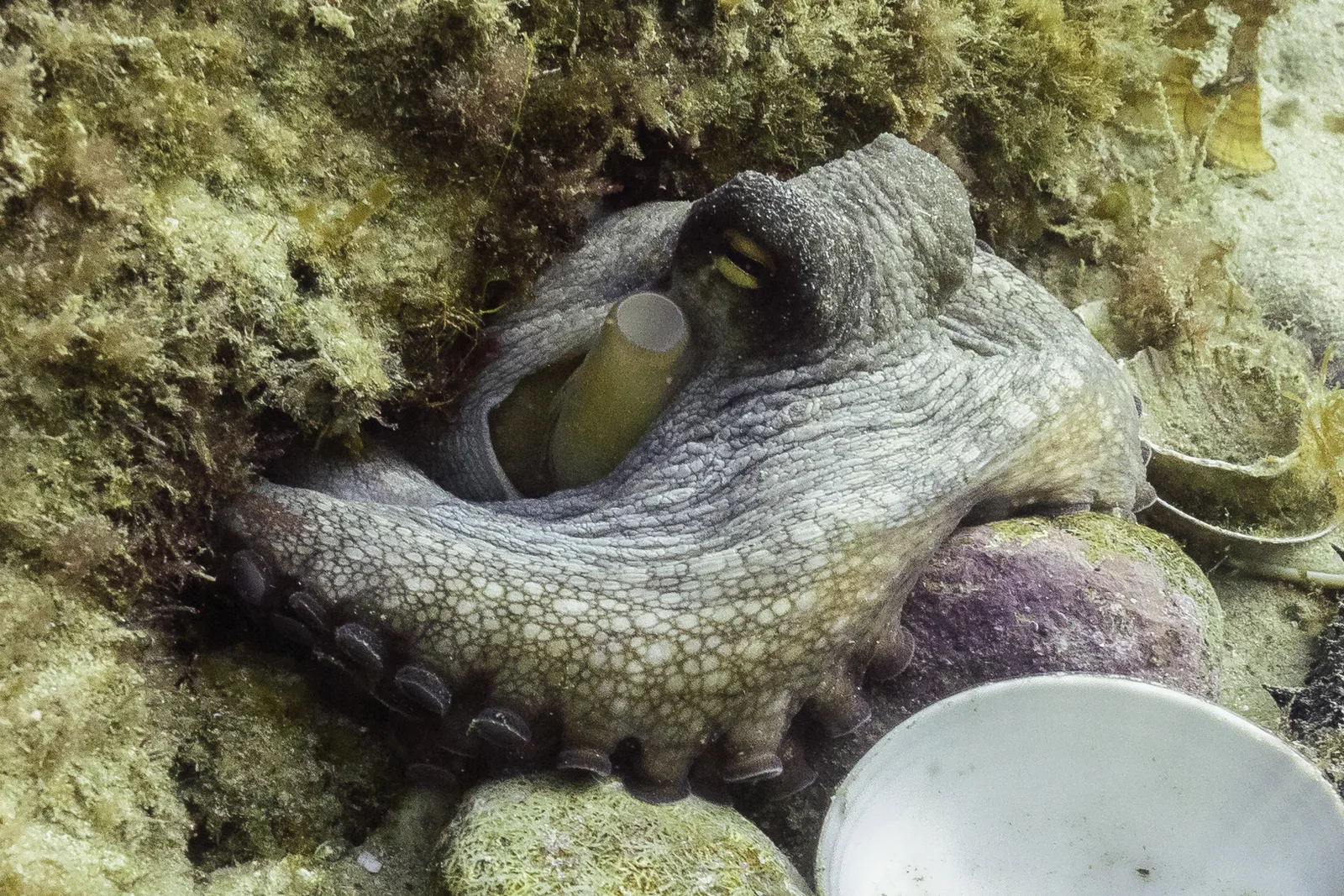
Eight flexible arms, a soft body and rapidly changing skin make the common octopus an effective coastal predator. The name once covered …
Phylum · Scientific classification
A mantle and a muscular foot are part of the molluscan body plan, modified in different lineages.
 Framed for display
Explore broader group · Animalia ↗
NCBI Taxonomy (2026-11-05 reconciled backbone) · Taxon source ↗
Group guide
The mantle covers the visceral region and secretes the shell in many molluscs. A muscular foot can be used to creep, burrow or form part of a different locomotor system. The shell can be external, reduced, internal or absent depending on the lineage.
Source for shells and soft bodies ↗Many molluscs feed with a radula, a ribbon of teeth that can scrape or process food. Bivalves lack a radula. Looking at the mantle, foot and feeding structures explains more of the group's diversity than sorting animals by shell shape alone.
Source for feeding structures vary ↗Within this taxon
Framed for display
Octopus vulgaris
Eight flexible arms, a soft body and rapidly changing skin make the common octopus an effective coastal predator. The name once covered …
 Framed for display
Octopus cyanea
The day octopus is a reef-dwelling cephalopod of the tropical Indo-Pacific. Unlike many octopuses that hunt mainly at night, it often searches …