 Living Beings
Evidence from the profiles
Compare their characteristics
| Trait | Honey Bee | Tiger |
|---|---|---|
| Nutrition | Data unavailable | Carnivorous Source ↗ |
| Social organization | Data unavailable | Generally solitary Source ↗ |
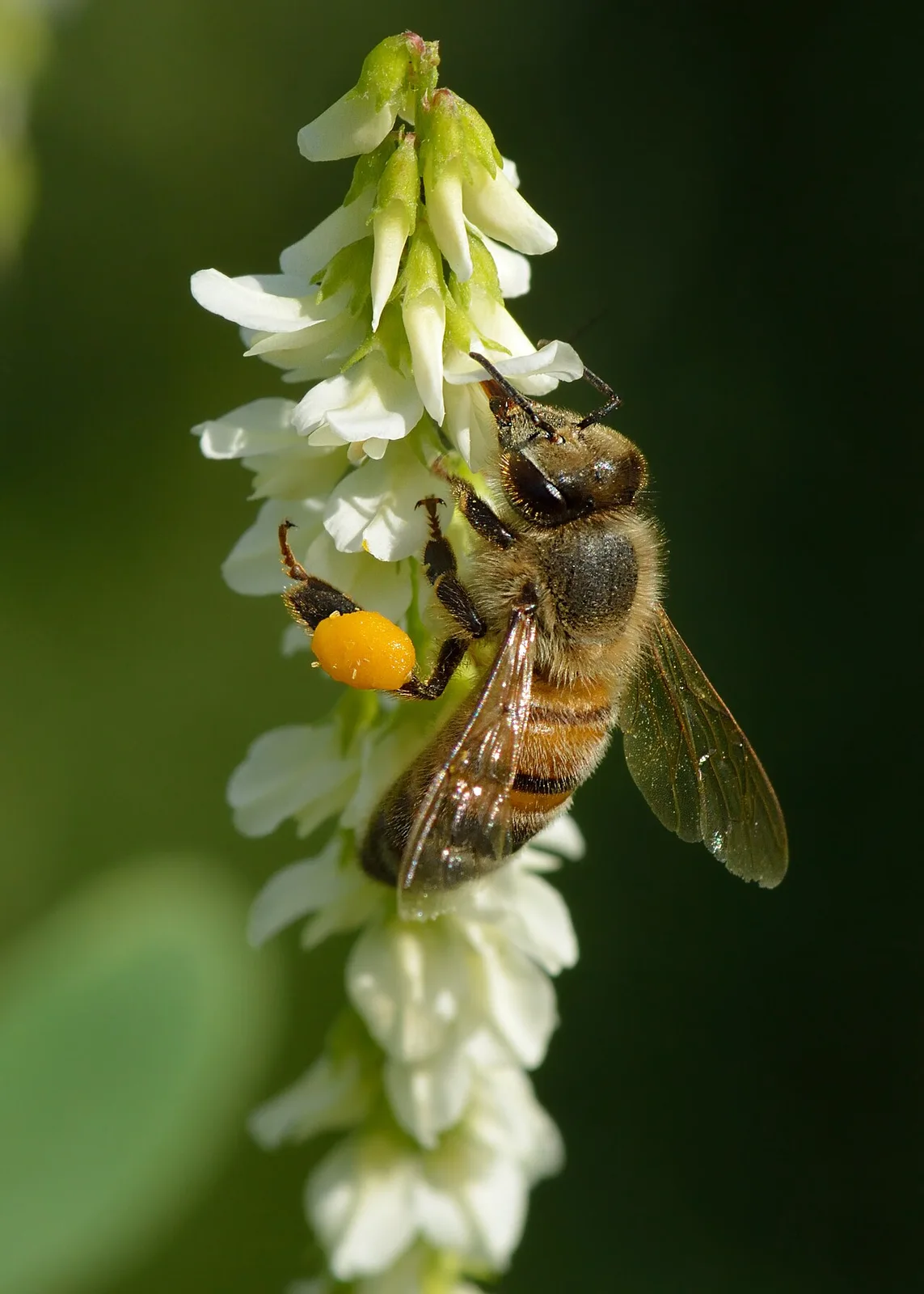
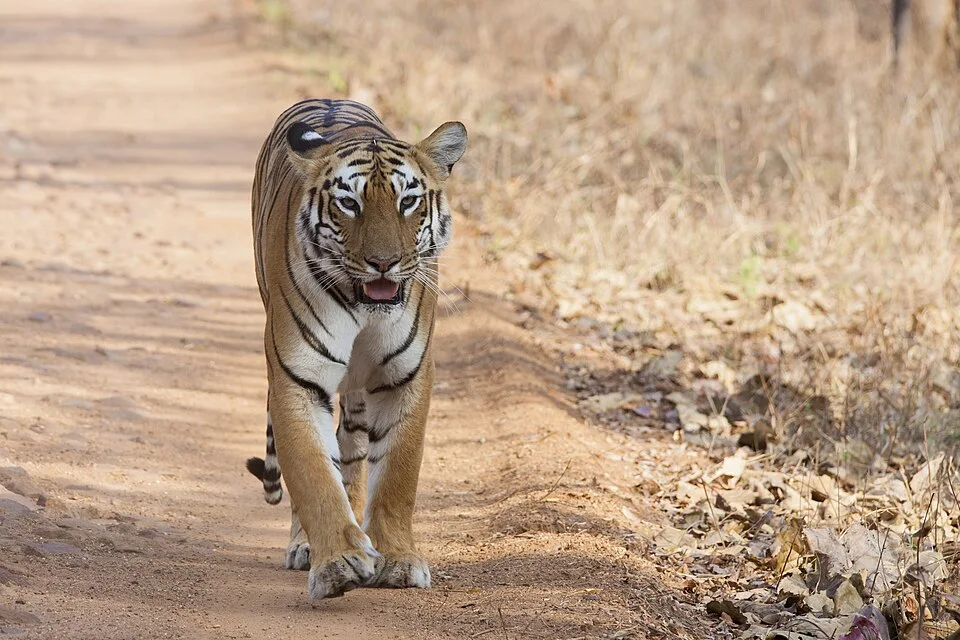
| Physical traits | Workers are hairy insects with pollen-carrying structures on the hind legs. Queens and drones differ in body form and role. | Dark stripes break up the tiger’s outline. Stripe patterns vary from one individual to another. |
| Habitat and range | Nests occupy protected cavities or managed hives near sufficient flowering plants and water. | Tigers live in varied habitats, including tropical forests, mangrove swamps and temperate forest. |
| Diet and nutrition | Nectar supplies sugars and pollen supplies other nutrients. Honey stores concentrated floral food for later use. | Tigers mainly hunt large mammals, including deer and wild pigs. |
| Behavior and activity | Workers communicate foraging information through dances and chemical signals. Tasks change with worker age and colony needs. | A tiger usually hunts by stalking its prey and attacking at close range. |
| Reproduction and life cycle | Eggs develop through larval and pupal stages into adults. Female caste development depends strongly on larval feeding. | Data unavailable |
| Geographic distribution | Native populations occur in Africa, Europe and western Asia. People have introduced the species widely for beekeeping. | Data unavailable |
| Ecological role | Foraging transfers pollen between flowers. Managed honey bees can also compete with other flower-visiting insects. | Data unavailable |
| Distinctive adaptations | Wax comb, food storage and collective temperature regulation help a colony persist through seasonal shortages. | Data unavailable |
| Conservation | Parasites, disease, pesticides and limited forage can harm colonies. Managed-colony health and conservation of wild bee diversity are distinct issues. | Data unavailable |
Classification
Shared ancestry
Closest shared taxon: Bilateria.