 Living Beings
Compare species
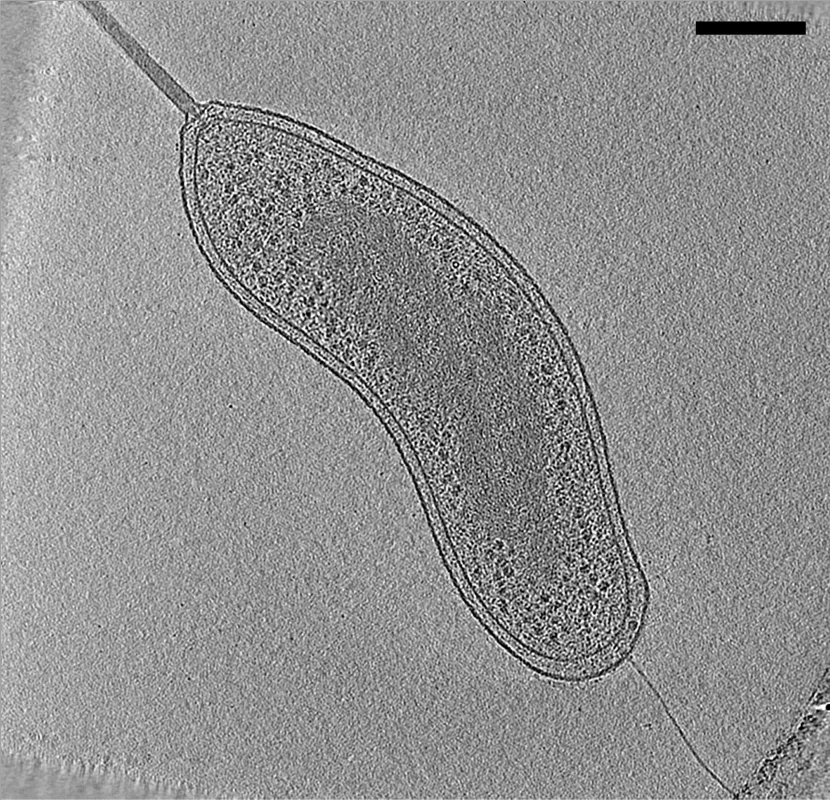
Bdellovibrio bacteriovorus
Bdellovibrio bacteriovorus
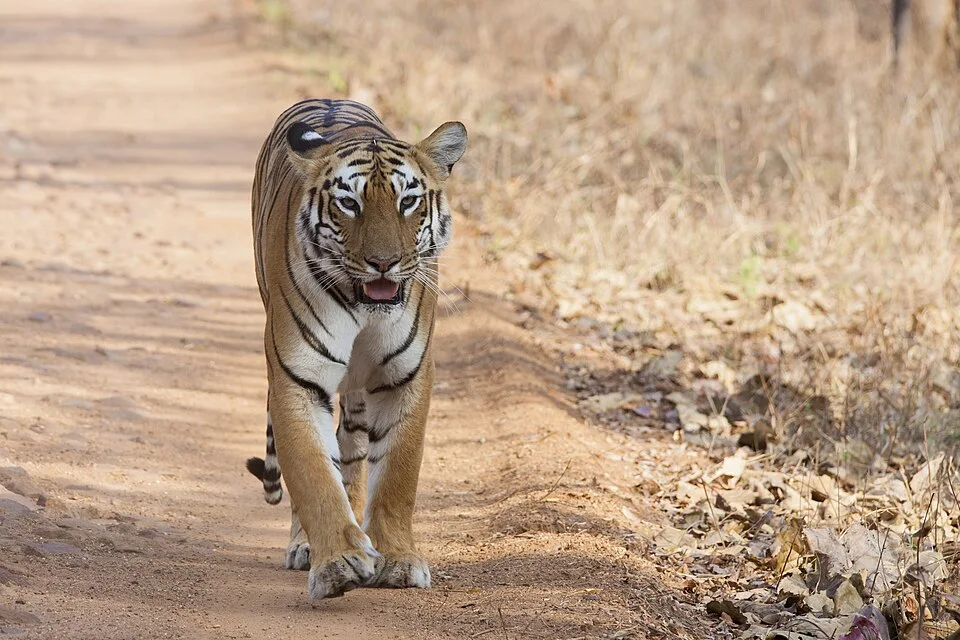
Tiger
Panthera tigris
Evidence from the profiles
Compare their characteristics
| Trait | Bdellovibrio bacteriovorus | Tiger |
|---|---|---|
| Nutrition | Data unavailable | Carnivorous Source ↗ |
| Social organization | Not applicable | Generally solitary Source ↗ |
| Physical traits | The accompanying electron-tomography slice shows a microscopic bacterial cell. This is a scientific imaging view, not its appearance to the unaided eye. | Dark stripes break up the tiger’s outline. Stripe patterns vary from one individual to another. |
| Habitat and range | Documented isolates include freshwater fish-pond water and activated sludge. Different isolates need not have identical growth preferences. | Tigers live in varied habitats, including tropical forests, mangrove swamps and temperate forest. |
| Diet and nutrition | Susceptible Gram-negative bacteria provide resources for growth. Experimental prey panels demonstrate that susceptibility varies among bacterial species. | Tigers mainly hunt large mammals, including deer and wild pigs. |
| Behavior and activity | Predation can occur against free-living cells and cells in biofilms. A mixed-species community does not necessarily protect susceptible prey. | A tiger usually hunts by stalking its prey and attacking at close range. |
| Reproduction and life cycle | Growth is linked to access to suitable prey. An increase in predator abundance therefore depends on both prey identity and availability. | Data unavailable |
| Ecological role | Its activity can influence the structure and function of natural and engineered microbial communities. | Data unavailable |
| Distinctive adaptations | Predatory specialization has encouraged aquaculture and wastewater research, but experimental promise is not evidence that every application is established or safe in every setting. | Data unavailable |
Classification
Shared ancestry
Closest shared taxon: cellular organisms.