 Living Beings
Compare species
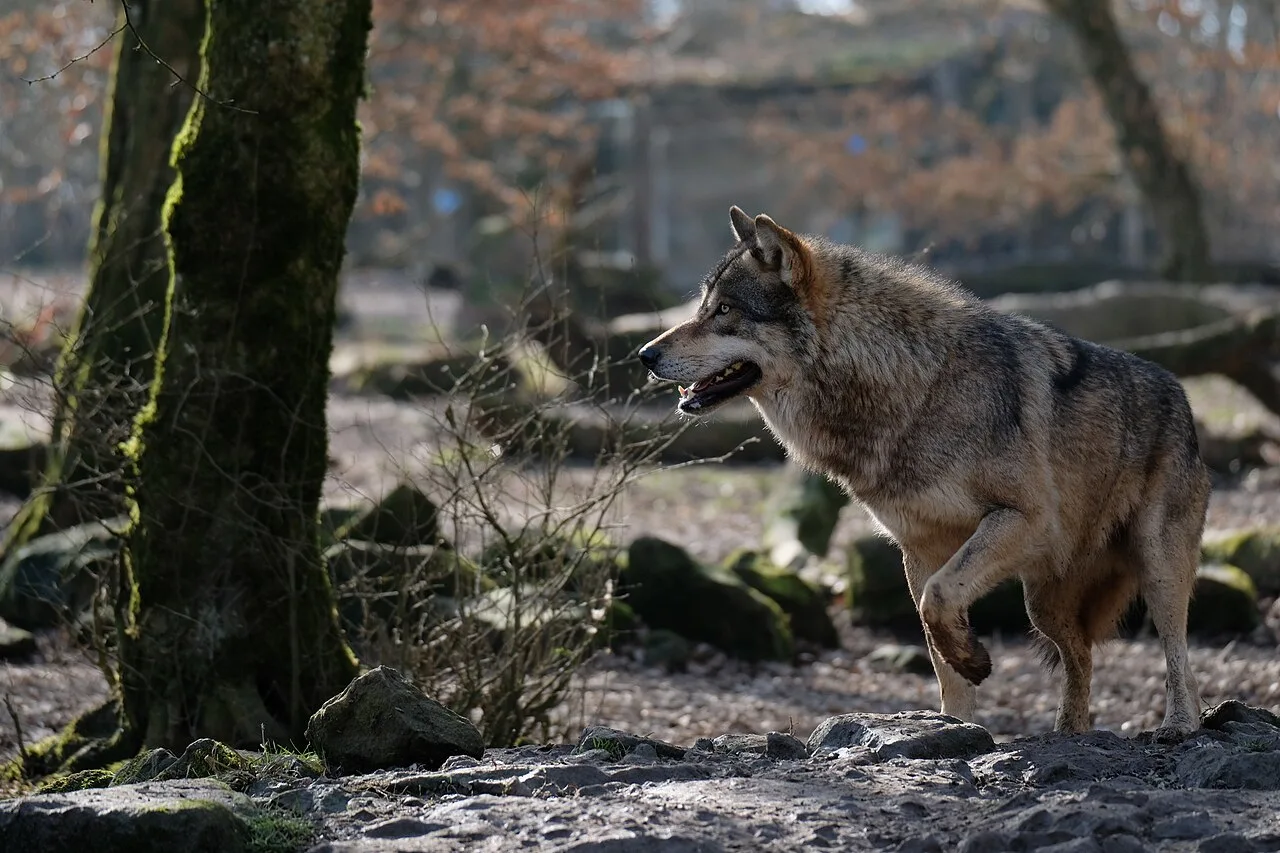
Gray Wolf
Canis lupus
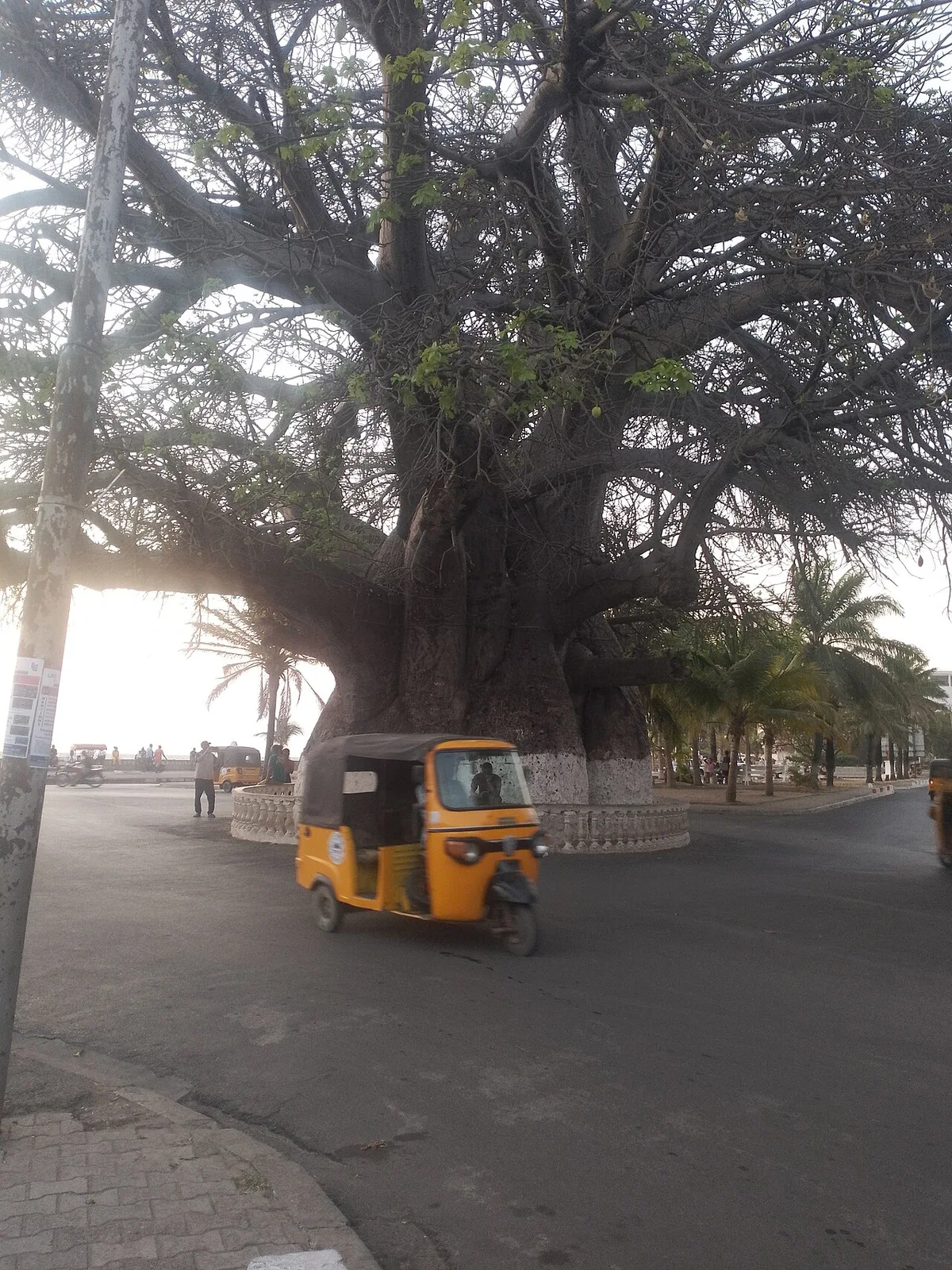
African Baobab
Adansonia digitata
Evidence from the profiles
Compare their characteristics
| Trait | Gray Wolf | African Baobab |
|---|---|---|
| Physical traits | Long legs, a deep chest and a bushy tail characterize the species. Coat color varies greatly and is not a reliable guide to taxonomic identity by itself. | Thick, fibrous bark surrounds a broad trunk. Each compound leaf has several leaflets radiating from a central point. |
| Habitat and range | Wolves occupy habitats ranging from forest and grassland to tundra, where sufficient prey and space remain. | A terrestrial tree of tropical Africa, it is adapted to seasonally dry conditions and is also planted in gardens and settlements. |
| Diet and nutrition | Large hoofed mammals are important prey in many populations. Smaller animals and carrion can also contribute. | Leaves produce sugars through photosynthesis. Water and mineral nutrients are taken up through the roots. |
| Behavior and activity | Packs are commonly family groups. Howling and scent marking communicate identity and location; hunting can involve cooperation. | Data unavailable |
| Reproduction and life cycle | Pups are born in a den and receive care from parents and other pack members. Some later disperse to establish new groups. | Large, hanging white flowers develop into capsules containing seeds embedded in pale, powdery pulp. New trees can be grown from seed. |
| Geographic distribution | The species has a broad Northern Hemisphere range, reduced and fragmented in many areas by past persecution. | Native to Africa and cultivated elsewhere. The accompanying photograph shows a planted specimen in Madagascar; that location should not be confused with the native range of every baobab species. |
| Ecological role | Wolves are predators and scavengers, and their effects depend on local prey and competitors. | Its flowers, fruit and extensive woody structure provide biological resources. The familiar name baobab also applies to other species, which should not be confused with this one. |
| Distinctive adaptations | Endurance, keen senses and social communication support long-distance movement and cooperative hunting. | A substantial trunk and drought-resistant growth form help distinguish this tree from many humid-forest trees. |
| Conservation | Human conflict, habitat connectivity and legal protection vary geographically; local recovery and global status are different questions. | Data unavailable |
Classification
Shared ancestry
Closest shared taxon: Eukaryota.