 Living Beings
Compare species
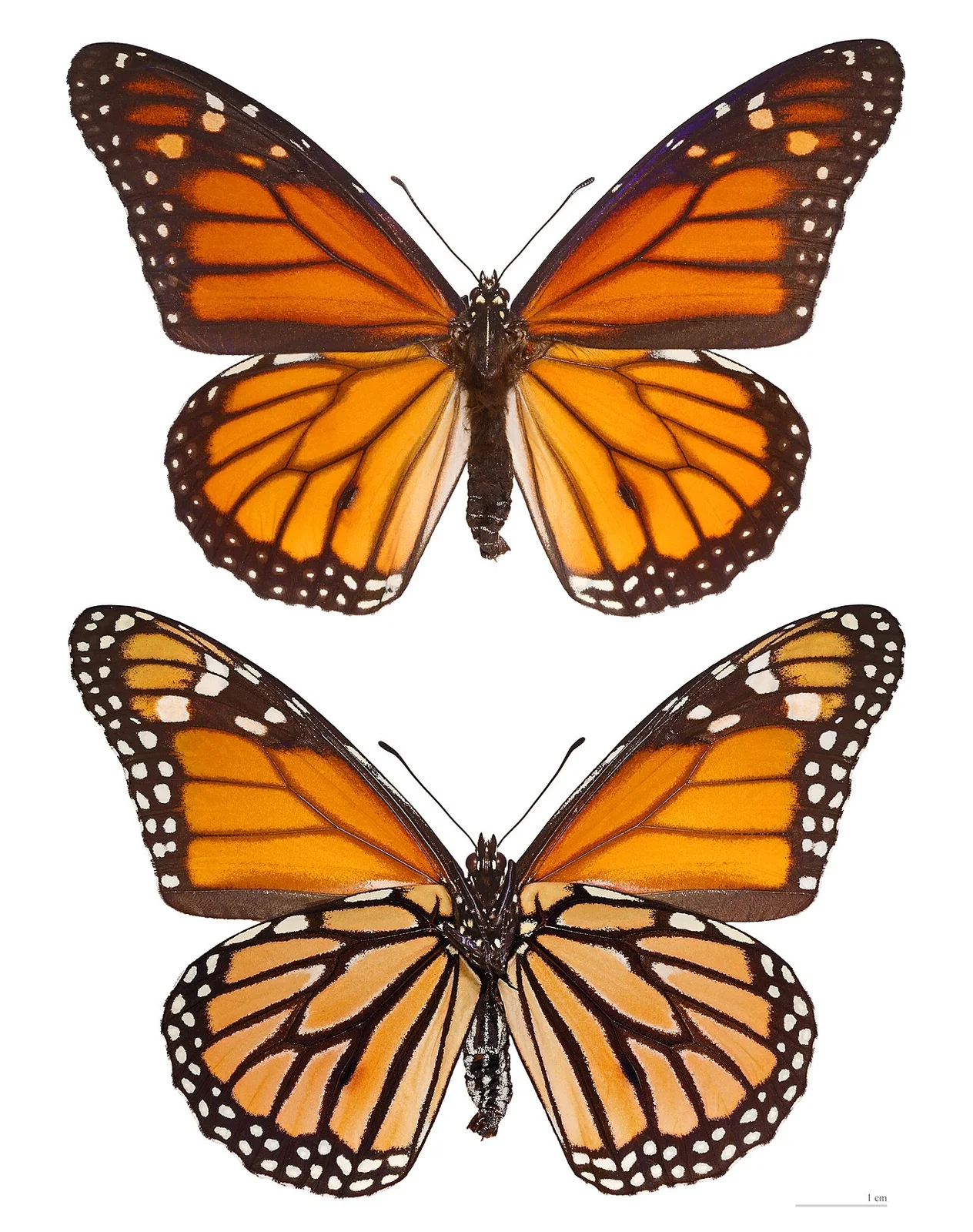
Monarch Butterfly
Danaus plexippus
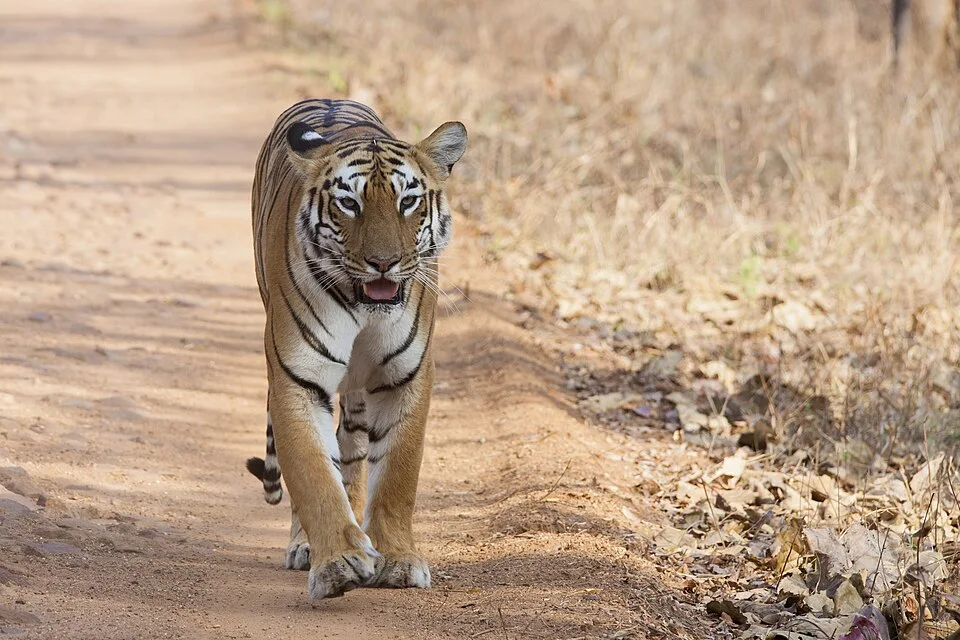
Tiger
Panthera tigris
Evidence from the profiles
Compare their characteristics
| Trait | Monarch Butterfly | Tiger |
|---|---|---|
| Nutrition | Data unavailable | Carnivorous Source ↗ |
| Social organization | Data unavailable | Generally solitary Source ↗ |
| Physical traits | Adults have orange-and-black wings with pale marginal spots. Caterpillars have contrasting light and dark bands. | Dark stripes break up the tiger’s outline. Stripe patterns vary from one individual to another. |
| Habitat and range | Breeding habitat needs milkweed and adult nectar resources. Migratory populations also require suitable overwintering sites. | Tigers live in varied habitats, including tropical forests, mangrove swamps and temperate forest. |
| Diet and nutrition | Larvae eat milkweed foliage; adults take nectar. These are different feeding roles within one life cycle. | Tigers mainly hunt large mammals, including deer and wild pigs. |
| Behavior and activity | Some populations make seasonal migrations involving several generations. Other populations are more resident. | A tiger usually hunts by stalking its prey and attacking at close range. |
| Reproduction and life cycle | An egg hatches into a caterpillar, followed by a chrysalis and then the winged adult. Migratory generations differ in seasonal behavior. | Data unavailable |
| Geographic distribution | The species occurs in the Americas and established populations occur elsewhere. The famous North American migration does not describe every population. | Data unavailable |
| Ecological role | Milkweed chemistry links caterpillars, plants and predators; adults participate in flower-visiting communities. | Data unavailable |
| Distinctive adaptations | Warning coloration and chemicals obtained from larval food can reduce predation. | Data unavailable |
| Conservation | Loss of breeding and overwintering habitat and changing climatic conditions are concerns. Species-wide and migratory-population assessments should not be conflated. | Data unavailable |
Classification
Shared ancestry
Closest shared taxon: Bilateria.