 Living Beings
Compare species
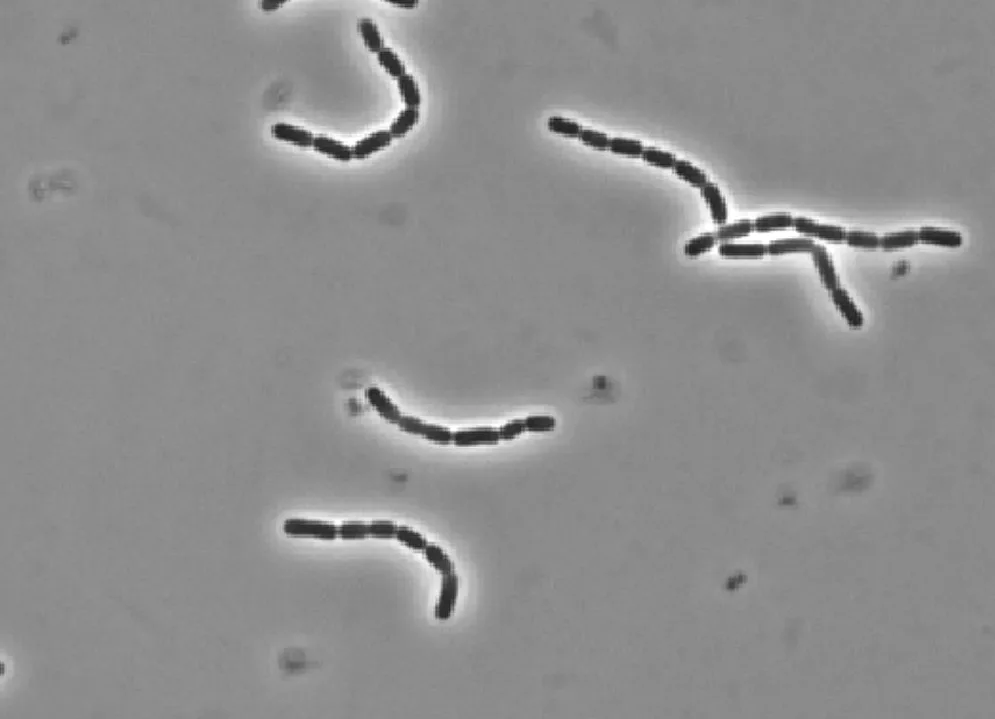
Lacticaseibacillus rhamnosus
Lacticaseibacillus rhamnosus
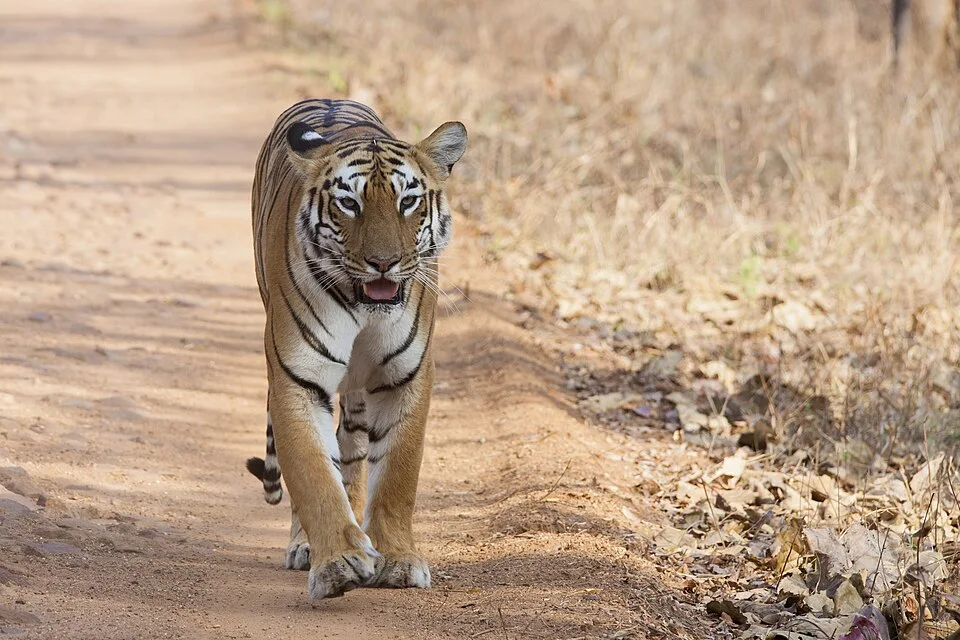
Tiger
Panthera tigris
Evidence from the profiles
Compare their characteristics
| Trait | Lacticaseibacillus rhamnosus | Tiger |
|---|---|---|
| Nutrition | Data unavailable | Carnivorous Source ↗ |
| Social organization | Not applicable | Generally solitary Source ↗ |
| Physical traits | Cells are rod-shaped. Microscopic appearance alone cannot distinguish this species securely from related lactic acid bacteria. | Dark stripes break up the tiger’s outline. Stripe patterns vary from one individual to another. |
| Habitat and range | The species has been studied in fermented foods and host-associated settings. Survival and growth differ among strains and substrates. | Tigers live in varied habitats, including tropical forests, mangrove swamps and temperate forest. |
| Diet and nutrition | Carbohydrate metabolism produces lactic acid. A strain's ability to use particular sugars requires its own evidence. | Tigers mainly hunt large mammals, including deer and wild pigs. |
| Behavior and activity | Growth and stress responses change with the chemical environment. Studies of GG in yogurt concern that strain and tested conditions. | A tiger usually hunts by stalking its prey and attacking at close range. |
| Reproduction and life cycle | Cells reproduce through division. The name GG denotes an inherited strain identity, not a reproductive stage. | Data unavailable |
| Geographic distribution | Food and research cultures are distributed widely. The origin and identity of an isolate should accompany an occurrence record. | Data unavailable |
| Ecological role | Fermentation and host-associated microbial communities provide contrasting settings for interactions with other organisms. | Data unavailable |
| Distinctive adaptations | Differences in adhesion, metabolism and stress tolerance can distinguish strains within the same species. | Data unavailable |
Classification
Shared ancestry
Closest shared taxon: cellular organisms.
Sources from both profiles
Lacticaseibacillus rhamnosus
- Lacticaseibacillus rhamnosus · NCBI Taxonomy ↗
- Lacticaseibacillus rhamnosus · Scientific account ↗
- A taxonomic note on the genus Lactobacillus: Description of 23 novel genera, emended description of the genus Lactobacillus Beijerinck 1901, and union of Lactobacillaceae and Leuconostocaceae ↗
- Assessing the Safety and Probiotic Characteristics of Lacticaseibacillus rhamnosus X253 via Complete Genome and Phenotype Analysis ↗