 Living Beings
Compare species
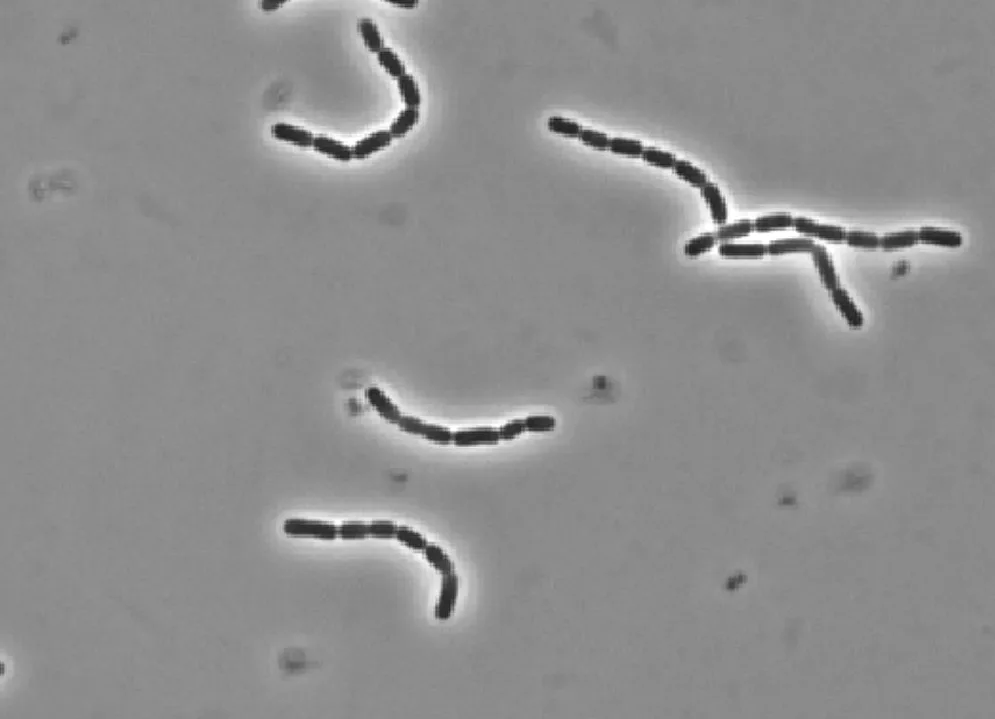
Lacticaseibacillus rhamnosus
Lacticaseibacillus rhamnosus
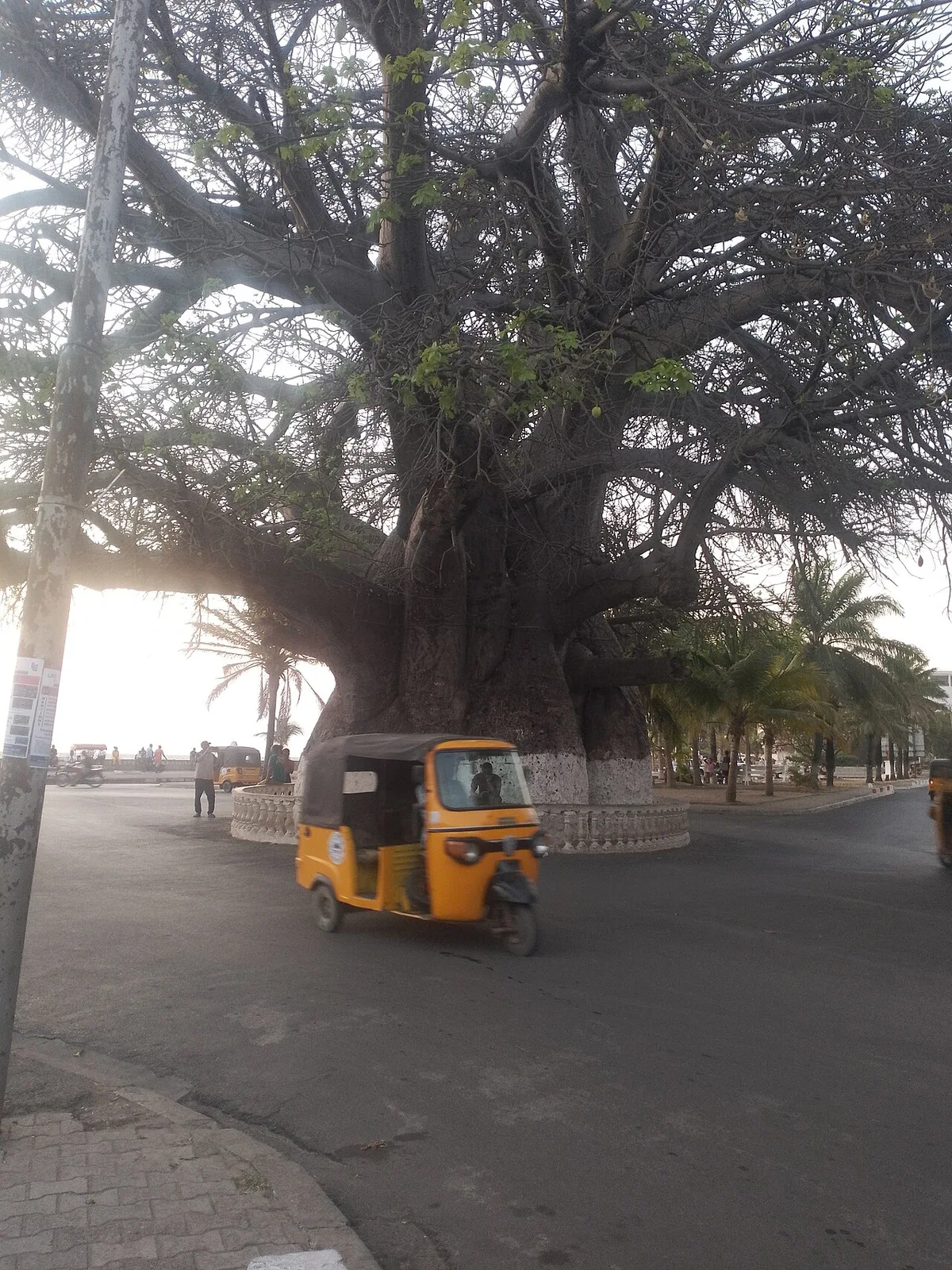
African Baobab
Adansonia digitata
Evidence from the profiles
Compare their characteristics
| Trait | Lacticaseibacillus rhamnosus | African Baobab |
|---|---|---|
| Physical traits | Cells are rod-shaped. Microscopic appearance alone cannot distinguish this species securely from related lactic acid bacteria. | Thick, fibrous bark surrounds a broad trunk. Each compound leaf has several leaflets radiating from a central point. |
| Habitat and range | The species has been studied in fermented foods and host-associated settings. Survival and growth differ among strains and substrates. | A terrestrial tree of tropical Africa, it is adapted to seasonally dry conditions and is also planted in gardens and settlements. |
| Diet and nutrition | Carbohydrate metabolism produces lactic acid. A strain's ability to use particular sugars requires its own evidence. | Leaves produce sugars through photosynthesis. Water and mineral nutrients are taken up through the roots. |
| Behavior and activity | Growth and stress responses change with the chemical environment. Studies of GG in yogurt concern that strain and tested conditions. | Data unavailable |
| Reproduction and life cycle | Cells reproduce through division. The name GG denotes an inherited strain identity, not a reproductive stage. | Large, hanging white flowers develop into capsules containing seeds embedded in pale, powdery pulp. New trees can be grown from seed. |
| Geographic distribution | Food and research cultures are distributed widely. The origin and identity of an isolate should accompany an occurrence record. | Native to Africa and cultivated elsewhere. The accompanying photograph shows a planted specimen in Madagascar; that location should not be confused with the native range of every baobab species. |
| Ecological role | Fermentation and host-associated microbial communities provide contrasting settings for interactions with other organisms. | Its flowers, fruit and extensive woody structure provide biological resources. The familiar name baobab also applies to other species, which should not be confused with this one. |
| Distinctive adaptations | Differences in adhesion, metabolism and stress tolerance can distinguish strains within the same species. | A substantial trunk and drought-resistant growth form help distinguish this tree from many humid-forest trees. |
Classification
Shared ancestry
Closest shared taxon: cellular organisms.
Sources from both profiles
Lacticaseibacillus rhamnosus
- Lacticaseibacillus rhamnosus · NCBI Taxonomy ↗
- Lacticaseibacillus rhamnosus · Scientific account ↗
- A taxonomic note on the genus Lactobacillus: Description of 23 novel genera, emended description of the genus Lactobacillus Beijerinck 1901, and union of Lactobacillaceae and Leuconostocaceae ↗
- Assessing the Safety and Probiotic Characteristics of Lacticaseibacillus rhamnosus X253 via Complete Genome and Phenotype Analysis ↗