 Living Beings
Compare species
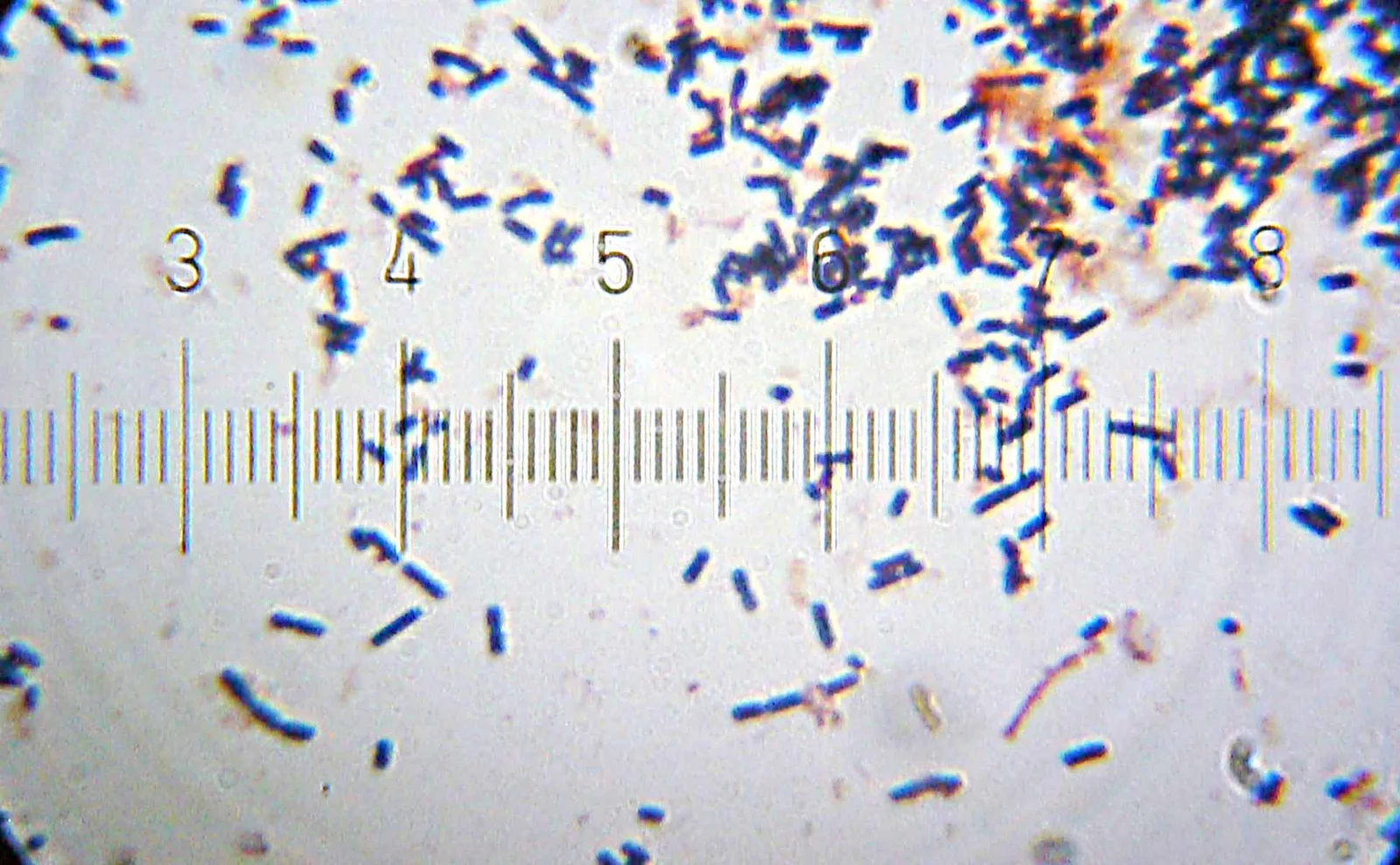
Lactobacillus acidophilus
Lactobacillus acidophilus
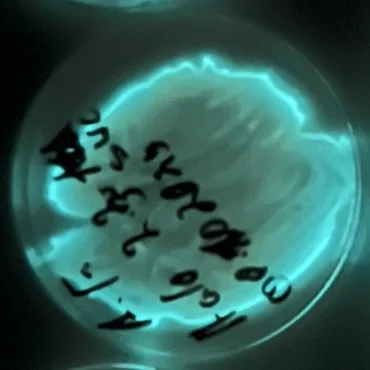
Aliivibrio fischeri
Aliivibrio fischeri
Evidence from the profiles
Compare their characteristics
| Trait | Lactobacillus acidophilus | Aliivibrio fischeri |
|---|---|---|
| Physical traits | Rod-shaped cells may form chains. Genetic or other validated identification is needed to distinguish related lactobacilli. | Small bacterial cells require microscopy for direct observation. Light emission is a physiological property, not a visible body-color diagnosis. |
| Habitat and range | Host-associated and cultured food environments are important study settings. A laboratory medium is not a complete description of a natural habitat. | Marine environmental phases and specialized host-associated sites provide distinct growth conditions. |
| Diet and nutrition | Carbohydrates supply energy through fermentation. The NCFM genome includes systems for transport and use of several sugars and peptides. | Organic substrates support metabolism. Conditions inside a host can differ substantially from those in surrounding seawater. |
| Behavior and activity | Acid production changes the surrounding medium. Surface-associated proteins can influence interaction with host tissues. | Chemical signaling and population context influence light production and other behaviors relevant to colonization. |
| Reproduction and life cycle | Cell division sustains growing populations; changing nutrient and acidity conditions alter growth performance. | Cell multiplication and repeated opportunities for host colonization connect free-living and symbiotic phases. |
| Geographic distribution | Named strains are maintained and used internationally. Culture distribution should not be confused with mapped wild populations. | Environmental and host-derived strains have documented collection localities. The origin of one experimental strain does not define the full range. |
| Ecological role | The bacterium participates in microbial communities where competition and available substrates shape persistence. | The well-studied squid association demonstrates a microbial contribution to an animal's light-producing system. |
| Distinctive adaptations | The NCFM strain’s genome contains carbohydrate transport systems, peptide-processing machinery and candidate adhesion proteins. These offer testable explanations for nutrient use and interaction with its surroundings. Genomic predictions in one commercial strain do not establish the same properties or a clinical benefit in every isolate carrying the species name. | Bioluminescence, environmental sensing and colonization traits help explain the model symbiosis. |
Classification
Shared ancestry
Closest shared taxon: Bacteria.