 Living Beings
 Framed for display
Compare species
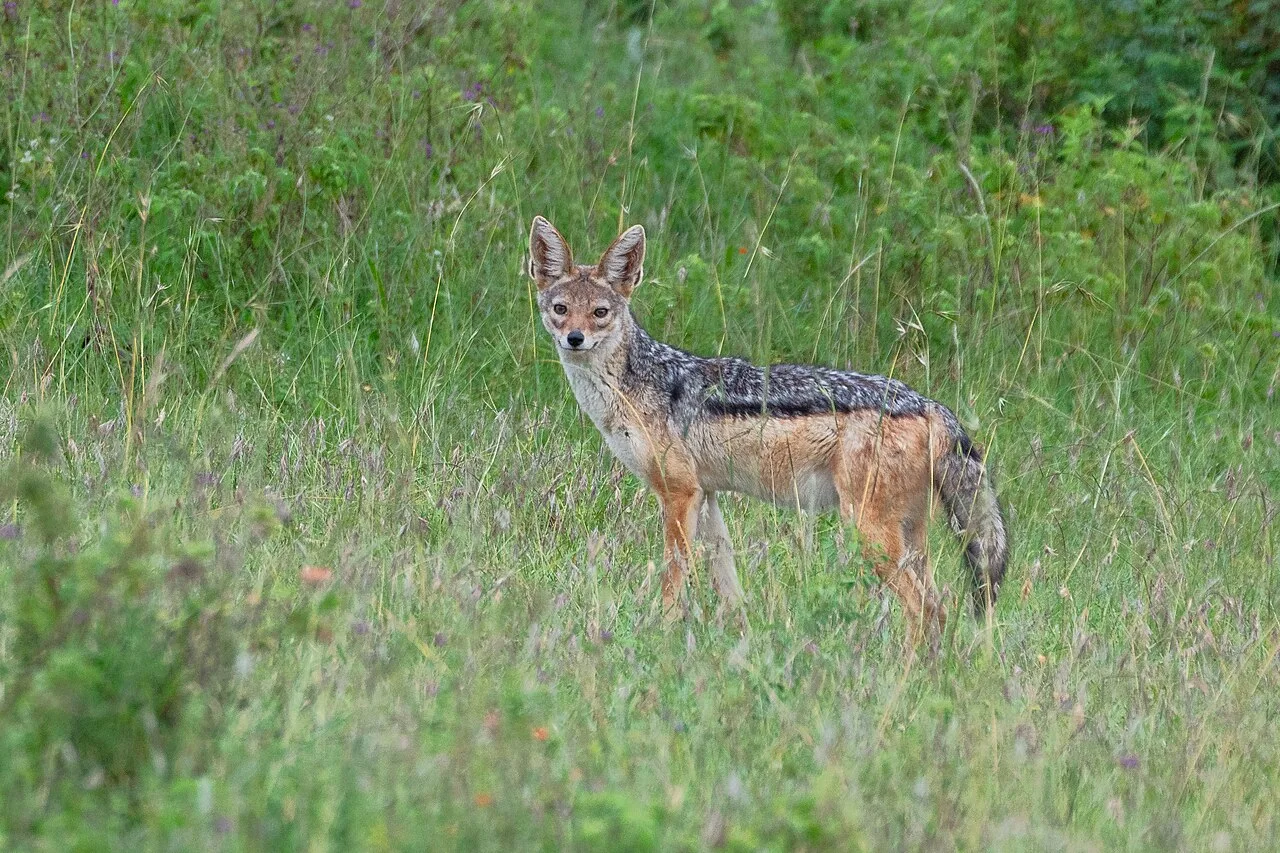
Black-backed Jackal
Lupulella mesomelas
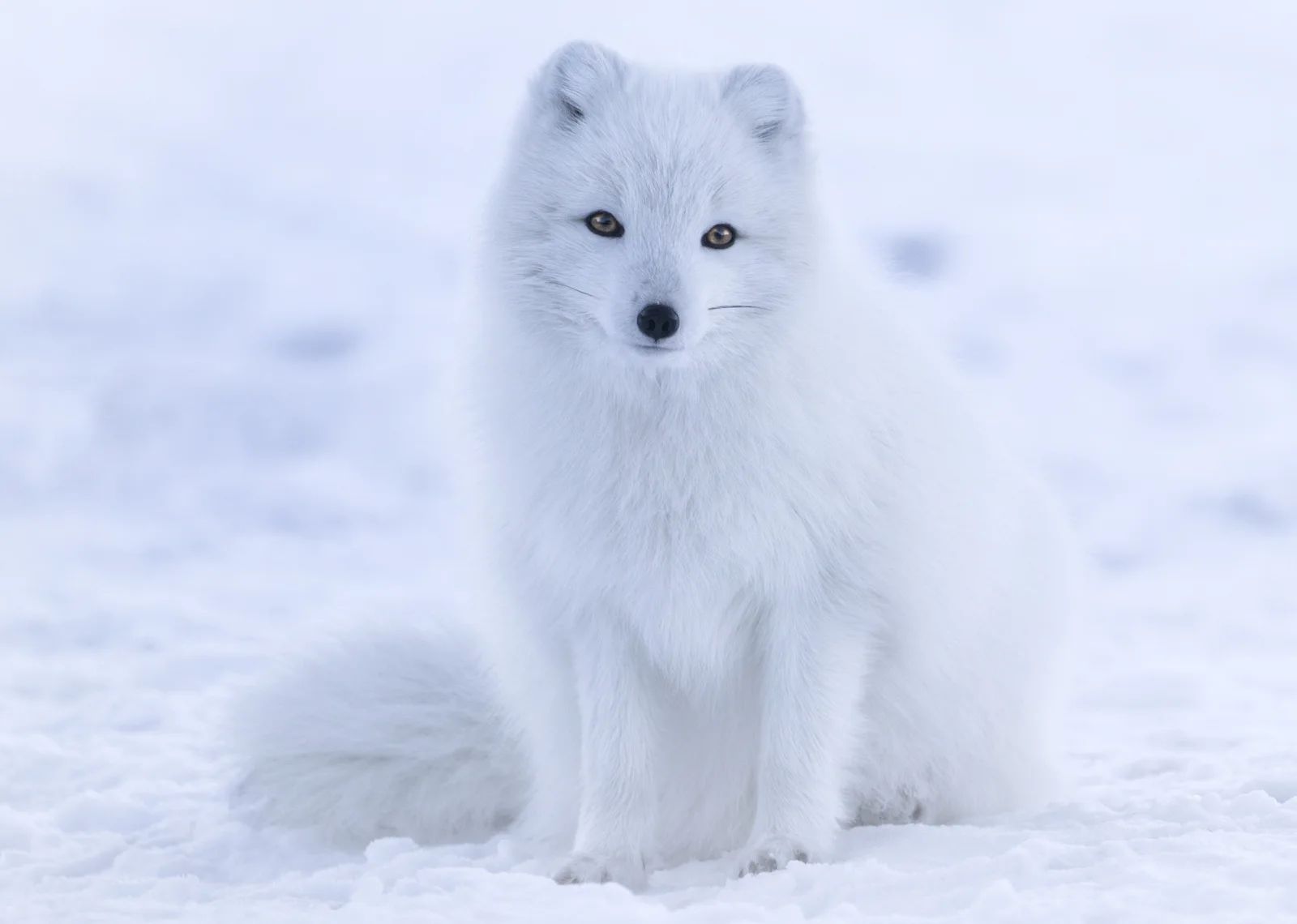
Arctic Fox
Vulpes lagopus
Try a comparison
How to compare two organisms
Choose two species and trace their closest shared group. Then compare a trait with the same definition on each side. Check the units, life stage and context before interpreting a measurement or range.
Missing data means that the collection lacks a sourced value. Where a characteristic does not apply to a lineage, the comparison labels it separately. Open the two profiles for context and follow their sources before drawing a conclusion.
Biological comparison
Means, ranges and reported maxima describe different things. Check the source and population before comparing values.
Classification
Shared ancestry
Closest shared taxon · Canidae.
Separate lineages
Black-backed JackalgenusLupulellaspeciesLupulella mesomelas
Arctic FoxgenusVulpesspeciesVulpes lagopus
| Characteristic | Black-backed Jackal | Arctic Fox |
|---|---|---|
Scientific measurements | Scientific measurements | |
| Body mass | No measurement recorded |
2.7–4.5 kg
Reported range · Adult Source and measurement contextFully grown foxes in the Alaska agency account. Metric range rounded. · ≈ 6.0–9.9 lb Mass of an individual animal.
|
Natural history | Natural history | |
| Nutrition and energy acquisition |
Small vertebrates, carrion, invertebrates and other available foods are eaten. A South African scat study found different foods on livestock …Small vertebrates, carrion, invertebrates and other available foods are eaten. A South African scat study found different foods on livestock farms, game farms and a reserve. Sheep were prominent on livestock farms, whereas kudu appeared frequently on game farms. Finding either animal's remains shows consumption. Whether the jackal killed the animal or scavenged it requires additional evidence. |
Small mammals, birds, eggs and carrion are taken opportunistically. Food collected during periods of abundance can be cached for later use. Source 1 ↗Source 2 ↗ |
| Habitat |
Dry and more varied open landscapes can be used, including areas influenced by people. Source 1 ↗Source 2 ↗ |
Treeless tundra, coastal plains and nearby shorelines offer den sites and seasonally changing food supplies. Source 1 ↗Source 2 ↗ |
| Geographic distribution |
The Mammal Diversity Database v2.5 records this species in Angola, Botswana, Djibouti, Eritrea, Eswatini, Ethiopia, Kenya, Lesotho, Mozambique, Namibia, Somalia, …The Mammal Diversity Database v2.5 records this species in Angola, Botswana, Djibouti, Eritrea, Eswatini, Ethiopia, Kenya, Lesotho, Mozambique, Namibia, Somalia, South Africa, South Sudan, Sudan, Tanzania, Uganda, Zimbabwe. |
Found around the Arctic, including northern Alaska. Coastal and inland populations experience different combinations of prey and scavenging opportunities. Source 1 ↗Source 2 ↗ |
| Morphology |
A dark grizzled back contrasts with reddish sides and a paler underside. Source 1 ↗Source 2 ↗ |
A rounded body and short ears reduce exposed surface area. White-morph animals change from a darker summer coat to white winter fur; blue-morph foxes retain darker winter coloration. Source 1 ↗Source 2 ↗ |
| Reproduction and life cycle |
No separate account recorded |
Pups are raised in dens, and both parents can help bring food and care for them. Source 1 ↗Source 2 ↗ |
| Behavior and activity |
Foraging can occur alone or cooperatively. Daily timing varies, including shifts toward nighttime near human activity. Source 1 ↗Source 2 ↗ |
Foxes search widely for food and use established dens to raise young. Their flexible feeding behavior is valuable in environments where food availability changes sharply. Source 1 ↗Source 2 ↗ |
| Environmental adaptations |
No separate account recorded |
Insulation comes from dense seasonal fur, including hair on the feet. Seasonal coat color also changes how conspicuous an animal is against its surroundings. Source 1 ↗Source 2 ↗ |
Sources from both profiles
Black-backed Jackal
More comparisons
Framed for display

 Framed for display

 Framed for display
