 Living Beings
Compare species
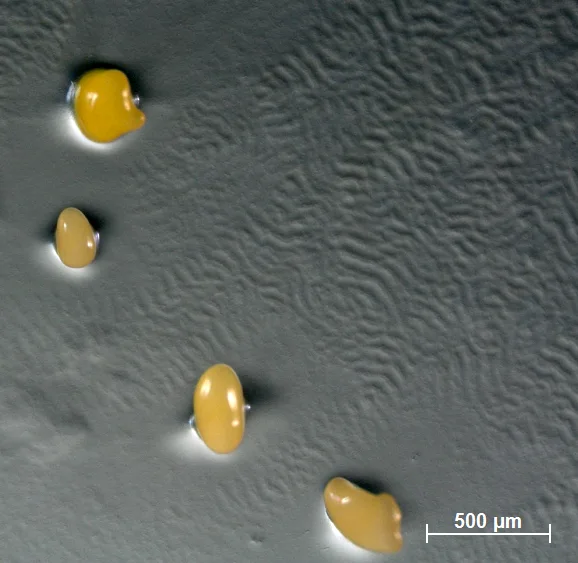
Myxococcus xanthus
Myxococcus xanthus
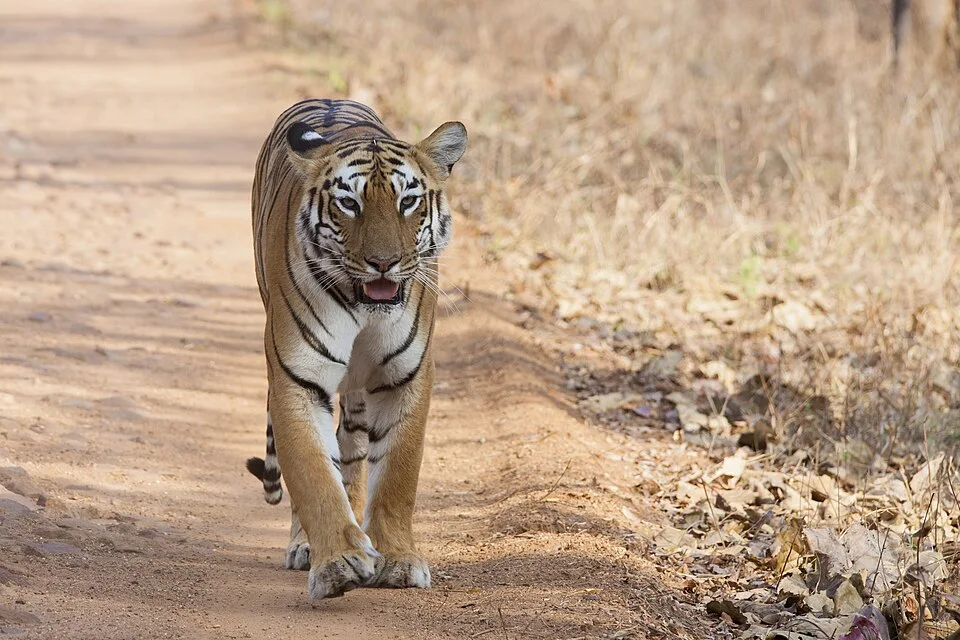
Tiger
Panthera tigris
Evidence from the profiles
Compare their characteristics
| Trait | Myxococcus xanthus | Tiger |
|---|---|---|
| Nutrition | Data unavailable | Carnivorous Source ↗ |
| Social organization | Not applicable | Generally solitary Source ↗ |
| Physical traits | Individual cells are microscopic rods. The yellowish aggregates and rippling patterns in culture arise from the coordinated behavior of many cells, not from a single giant bacterium. | Dark stripes break up the tiger’s outline. Stripe patterns vary from one individual to another. |
| Habitat and range | It is studied on surfaces and can be isolated from environmental material. Its behavior depends on contact with a substrate and neighboring cells. | Tigers live in varied habitats, including tropical forests, mangrove swamps and temperate forest. |
| Diet and nutrition | Cells obtain nutrients by predation on other bacteria and by processing organic material released from prey. | Tigers mainly hunt large mammals, including deer and wild pigs. |
| Behavior and activity | Gliding, collective movement and rippling are experimentally observed features of the life cycle. The patterns reflect interactions among moving cells. | A tiger usually hunts by stalking its prey and attacking at close range. |
| Reproduction and life cycle | When conditions favor development, cells aggregate and differentiate into spores within fruiting bodies. Germination returns cells to the growing, motile state. | Data unavailable |
| Ecological role | Predation changes microbial communities and recycles nutrients at a microscopic scale. | Data unavailable |
| Distinctive adaptations | Experiments disrupting polyphosphate metabolism impair movement, predation and development, illustrating how cellular chemistry supports collective behavior. | Data unavailable |
Classification
Shared ancestry
Closest shared taxon: cellular organisms.