 Living Beings
Compare species
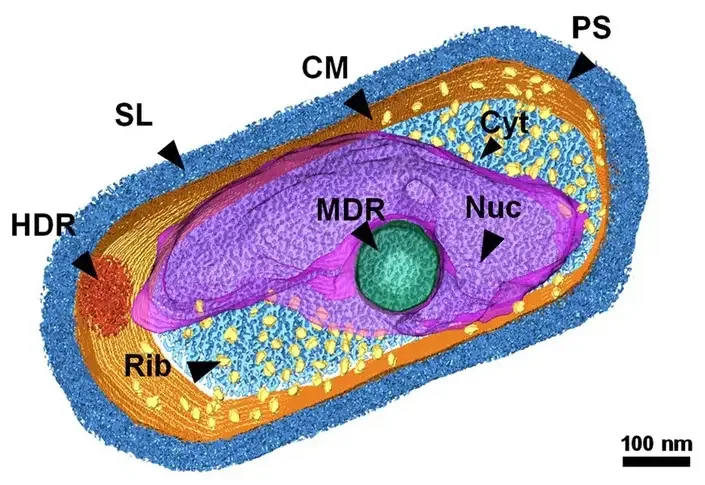
Nitrosopumilus maritimus
Nitrosopumilus maritimus
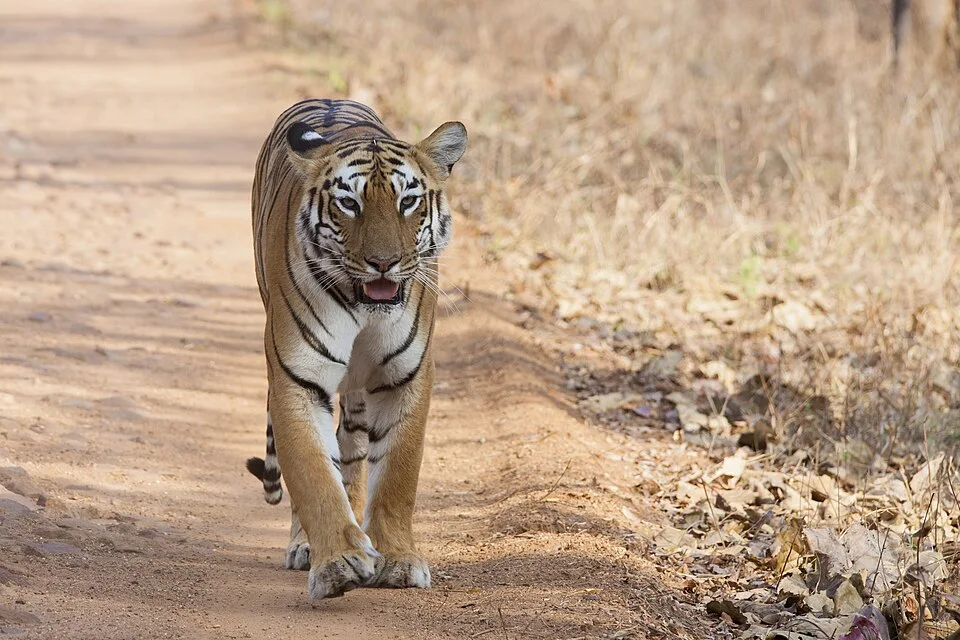
Tiger
Panthera tigris
Evidence from the profiles
Compare their characteristics
| Trait | Nitrosopumilus maritimus | Tiger |
|---|---|---|
| Nutrition | Data unavailable | Carnivorous Source ↗ |
| Social organization | Not applicable | Generally solitary Source ↗ |
| Physical traits | Small cells require microscopic methods for study. Electron microscopy and tomography reveal cellular organization beyond what an ordinary photograph can show. | Dark stripes break up the tiger’s outline. Stripe patterns vary from one individual to another. |
| Habitat and range | Oxygen-containing marine conditions support ammonia oxidation. The original isolate came from an aquarium-associated marine system. | Tigers live in varied habitats, including tropical forests, mangrove swamps and temperate forest. |
| Diet and nutrition | This archaeon gains energy by oxidizing ammonia to nitrite and uses inorganic carbon to build cellular material. The original isolation demonstrated nitrification in an archaeon. Light is not the energy source for this carbon-fixing metabolism, distinguishing it from photosynthetic marine microbes. | Tigers mainly hunt large mammals, including deer and wild pigs. |
| Behavior and activity | Activity links energy metabolism to supplies of ammonia, oxygen and other required resources. | A tiger usually hunts by stalking its prey and attacking at close range. |
| Reproduction and life cycle | Cell growth and division maintain cultured populations. Molecular and physiological evidence connect strain identity with measured activity. | Data unavailable |
| Geographic distribution | The isolate is related to archaeal lineages detected widely in marine surveys. Related environmental sequences are not automatically exact species records. | Data unavailable |
| Ecological role | Its metabolism links marine nitrogen transformations with carbon fixation. | Data unavailable |
| Distinctive adaptations | The capacity for chemolithoautotrophy provides a route to growth without light-driven photosynthesis or an animal host. | Data unavailable |
Classification
Shared ancestry
Closest shared taxon: cellular organisms.