 Living Beings
Compare species
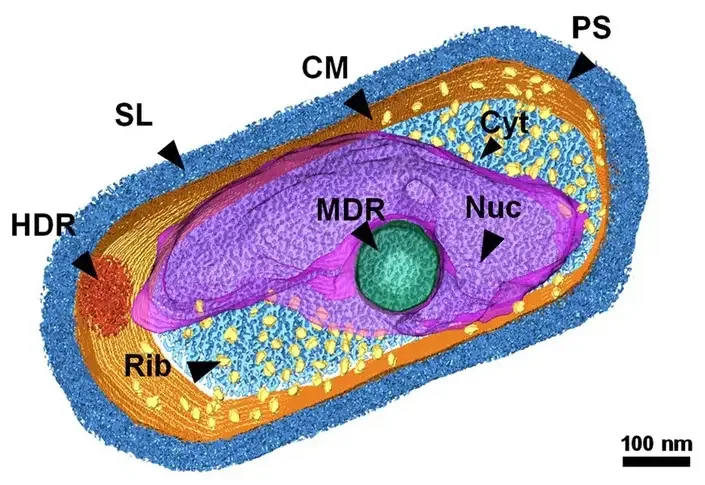
Nitrosopumilus maritimus
Nitrosopumilus maritimus
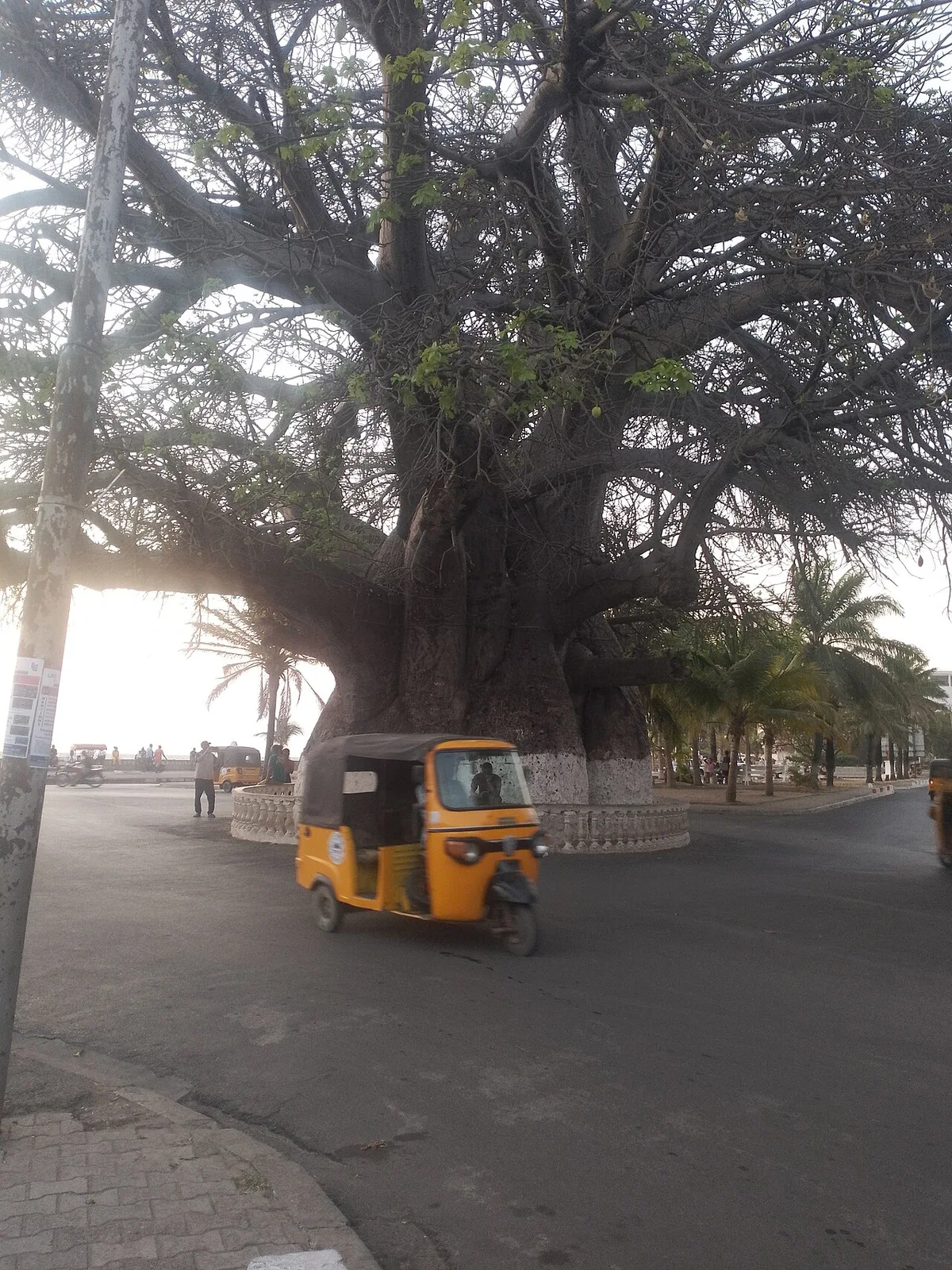
African Baobab
Adansonia digitata
Evidence from the profiles
Compare their characteristics
| Trait | Nitrosopumilus maritimus | African Baobab |
|---|---|---|
| Physical traits | Small cells require microscopic methods for study. Electron microscopy and tomography reveal cellular organization beyond what an ordinary photograph can show. | Thick, fibrous bark surrounds a broad trunk. Each compound leaf has several leaflets radiating from a central point. |
| Habitat and range | Oxygen-containing marine conditions support ammonia oxidation. The original isolate came from an aquarium-associated marine system. | A terrestrial tree of tropical Africa, it is adapted to seasonally dry conditions and is also planted in gardens and settlements. |
| Diet and nutrition | This archaeon gains energy by oxidizing ammonia to nitrite and uses inorganic carbon to build cellular material. The original isolation demonstrated nitrification in an archaeon. Light is not the energy source for this carbon-fixing metabolism, distinguishing it from photosynthetic marine microbes. | Leaves produce sugars through photosynthesis. Water and mineral nutrients are taken up through the roots. |
| Behavior and activity | Activity links energy metabolism to supplies of ammonia, oxygen and other required resources. | Data unavailable |
| Reproduction and life cycle | Cell growth and division maintain cultured populations. Molecular and physiological evidence connect strain identity with measured activity. | Large, hanging white flowers develop into capsules containing seeds embedded in pale, powdery pulp. New trees can be grown from seed. |
| Geographic distribution | The isolate is related to archaeal lineages detected widely in marine surveys. Related environmental sequences are not automatically exact species records. | Native to Africa and cultivated elsewhere. The accompanying photograph shows a planted specimen in Madagascar; that location should not be confused with the native range of every baobab species. |
| Ecological role | Its metabolism links marine nitrogen transformations with carbon fixation. | Its flowers, fruit and extensive woody structure provide biological resources. The familiar name baobab also applies to other species, which should not be confused with this one. |
| Distinctive adaptations | The capacity for chemolithoautotrophy provides a route to growth without light-driven photosynthesis or an animal host. | A substantial trunk and drought-resistant growth form help distinguish this tree from many humid-forest trees. |
Classification
Shared ancestry
Closest shared taxon: cellular organisms.