 Living Beings
Compare species
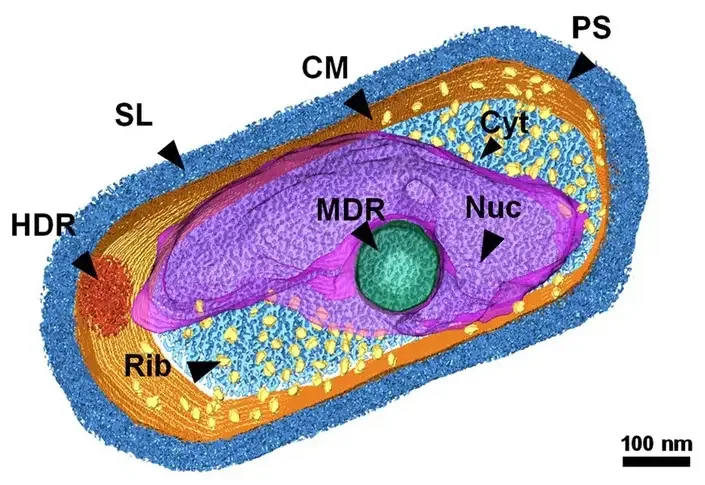
Nitrosopumilus maritimus
Nitrosopumilus maritimus
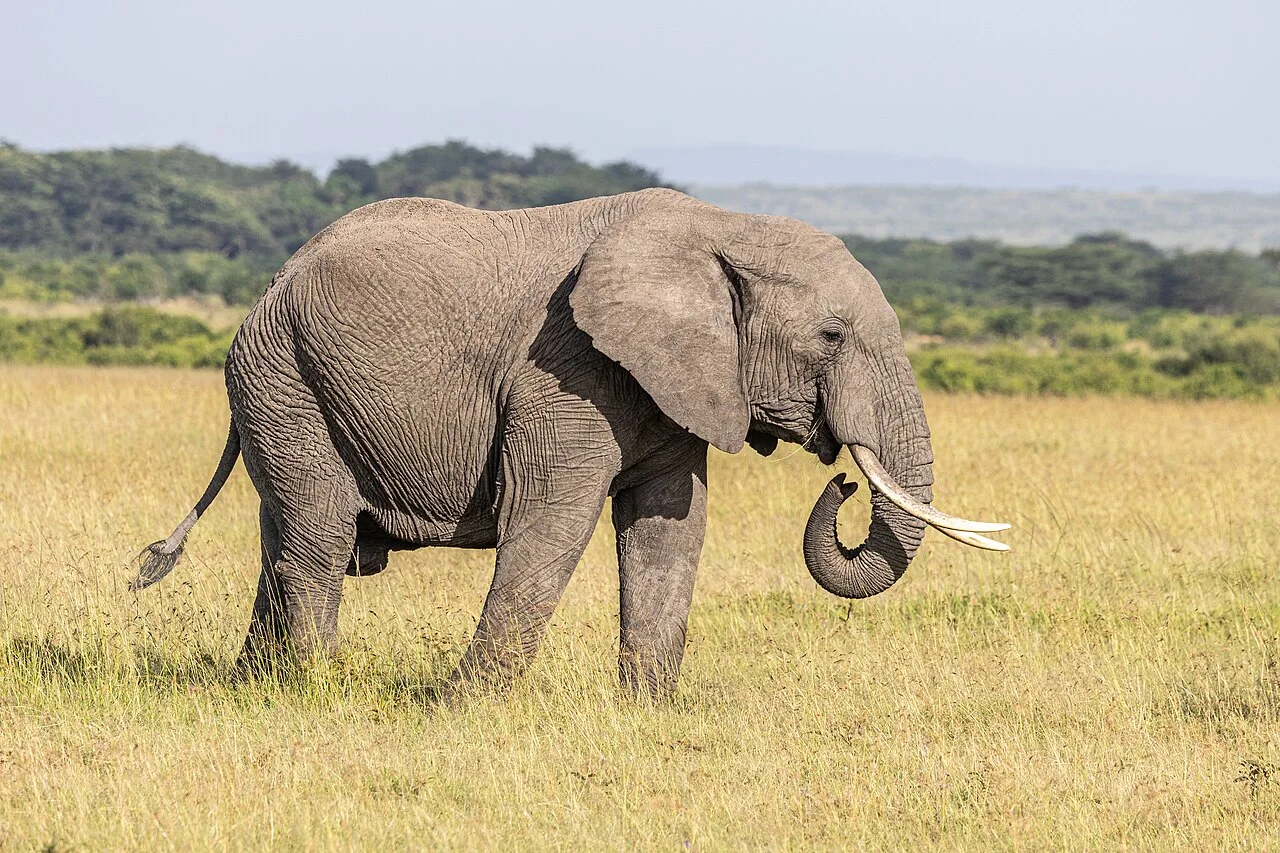
African Savanna Elephant
Loxodonta africana
Evidence from the profiles
Compare their characteristics
| Trait | Nitrosopumilus maritimus | African Savanna Elephant |
|---|---|---|
| Physical traits | Small cells require microscopic methods for study. Electron microscopy and tomography reveal cellular organization beyond what an ordinary photograph can show. | Broad ears, a long trunk and column-like legs give the animal its familiar outline. The trunk tip has two finger-like projections. Both sexes can develop tusks. |
| Habitat and range | Oxygen-containing marine conditions support ammonia oxidation. The original isolate came from an aquarium-associated marine system. | Savannas and open woodland provide a shifting mixture of browse, grass, shade and drinking water. Seasonal water availability influences the places that herds use. |
| Diet and nutrition | This archaeon gains energy by oxidizing ammonia to nitrite and uses inorganic carbon to build cellular material. The original isolation demonstrated nitrification in an archaeon. Light is not the energy source for this carbon-fixing metabolism, distinguishing it from photosynthetic marine microbes. | Grasses, leaves, bark and other plant material make up its diet. The trunk gathers food and moves it to the mouth. |
| Behavior and activity | Activity links energy metabolism to supplies of ammonia, oxygen and other required resources. | Female relatives and their young form long-lasting social groups. Older females hold knowledge of familiar routes and resources; adult males have a different pattern of association. |
| Reproduction and life cycle | Cell growth and division maintain cultured populations. Molecular and physiological evidence connect strain identity with measured activity. | Calves are born alive and depend on milk and extended social care. Learning from other elephants is an important part of growing up. |
| Geographic distribution | The isolate is related to archaeal lineages detected widely in marine surveys. Related environmental sequences are not automatically exact species records. | Native to sub-Saharan Africa. This account follows the savanna-elephant species concept rather than treating all African elephants as one species. |
| Ecological role | Its metabolism links marine nitrogen transformations with carbon fixation. | Feeding and movement alter vegetation, and dung transfers seeds and nutrients. Habitat fragmentation and killing for ivory threaten populations. |
| Distinctive adaptations | The capacity for chemolithoautotrophy provides a route to growth without light-driven photosynthesis or an animal host. | Data unavailable |
Classification
Shared ancestry
Closest shared taxon: cellular organisms.