 Living Beings
Compare species
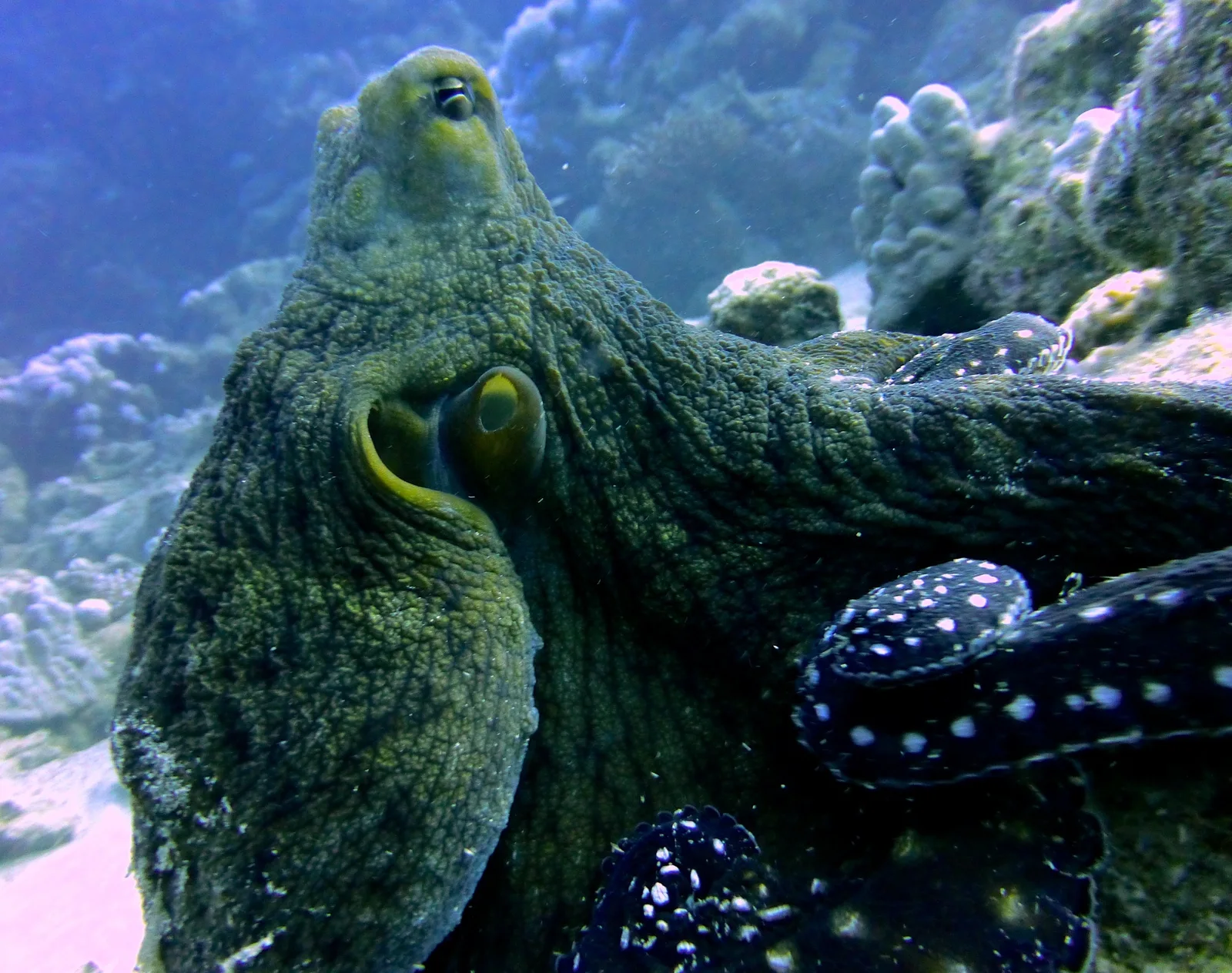
Day Octopus
Octopus cyanea
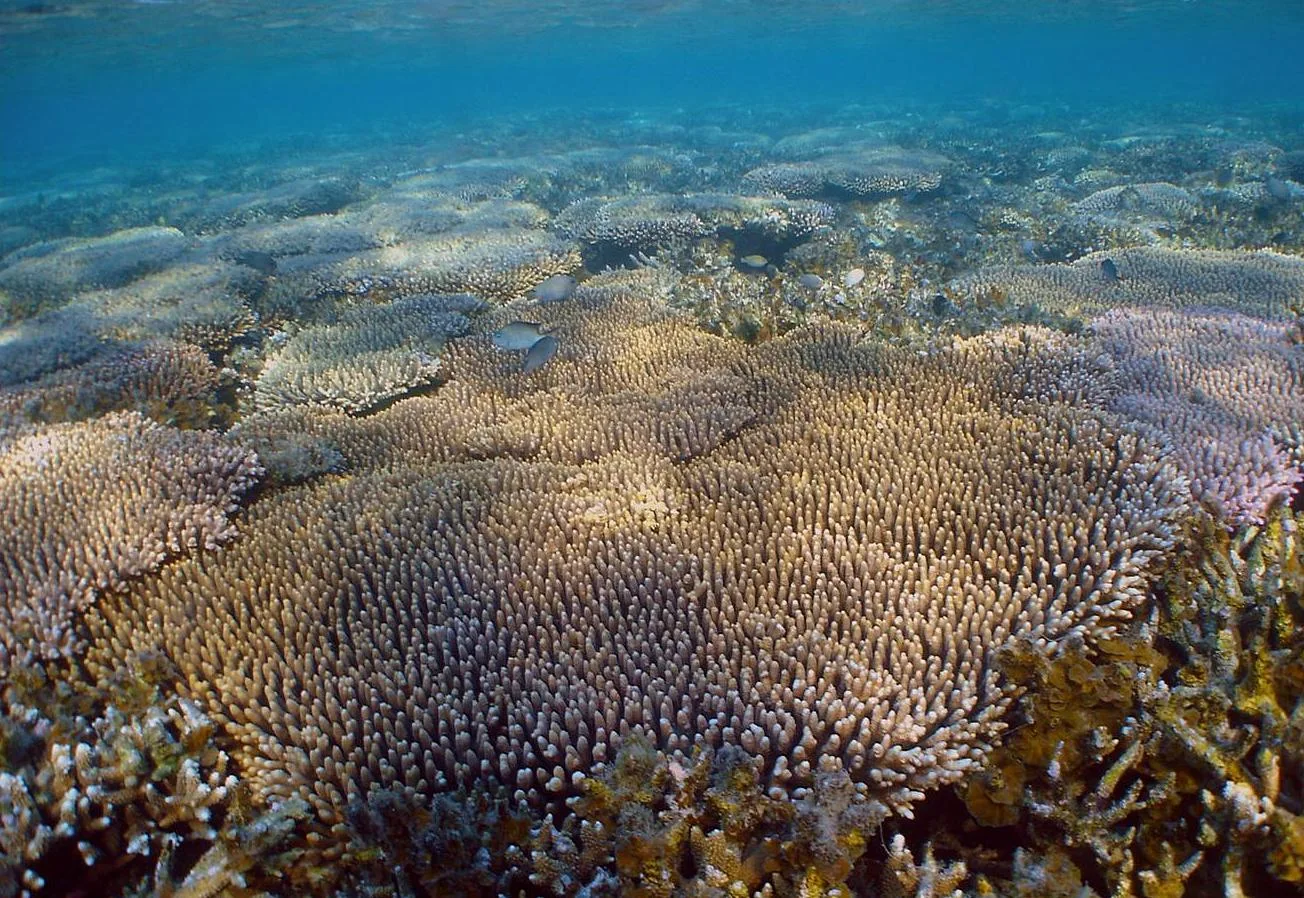
Acropora millepora
Acropora millepora
Evidence from the profiles
Compare their characteristics
| Trait | Day Octopus | Acropora millepora |
|---|---|---|
| Physical traits | Eight flexible, sucker-bearing arms surround the mouth. Rapid changes in skin color and texture help the animal blend with complex reef surfaces. | Colonies form branching structures covered by small skeletal cups that house polyps. Colony color alone is insufficient for secure species identification. |
| Habitat and range | Coral and rocky reefs offer crevices for shelter and varied surfaces over which to forage. A den can serve as a retreat between hunting excursions. | Shallow, well-lit marine reef environments support the coral and its photosynthetic partners. |
| Diet and nutrition | Crustaceans, molluscs and fish are among its prey. Flexible arms explore places that a rigid-bodied predator cannot easily reach. | Polyps capture small suspended food, while algal symbionts contribute photosynthetic products. |
| Behavior and activity | Individuals are generally solitary. Crawling and camouflage support hunting; an ink release can help an octopus escape a threat. | Tentacles and mucus help the colony interact with surrounding seawater. Recognition mechanisms influence responses to microbes. |
| Reproduction and life cycle | The female guards and tends her eggs. Brood care involves reduced or absent feeding, and reproduction is followed by the end of the adult female’s life. | Colonies grow by producing additional polyps. Sexual reproduction can release gametes that develop into settling larvae. |
| Geographic distribution | Native to tropical Indo-Pacific waters. Its reef habitat includes both exposed surfaces and protected holes. | The species occurs in the Indo-Pacific reef region. Species-level locality records should accompany detailed range mapping. |
| Ecological role | Data unavailable | Skeletal growth contributes reef structure and habitat. Symbiotic interactions are central to energy supply and colony health. |
| Distinctive adaptations | A soft body, grasping suckers and adjustable skin appearance make it an effective hunter in a structurally complex environment. | A colonial body and partnerships with photosynthetic cells support growth in well-lit reef environments. |
| Conservation | Data unavailable | Thermal stress, bleaching and degradation of reef habitat are concerns. A source on molecular recognition does not establish a current Red List category. |
Classification
Shared ancestry
Closest shared taxon: Eumetazoa.