 Living Beings
Compare species
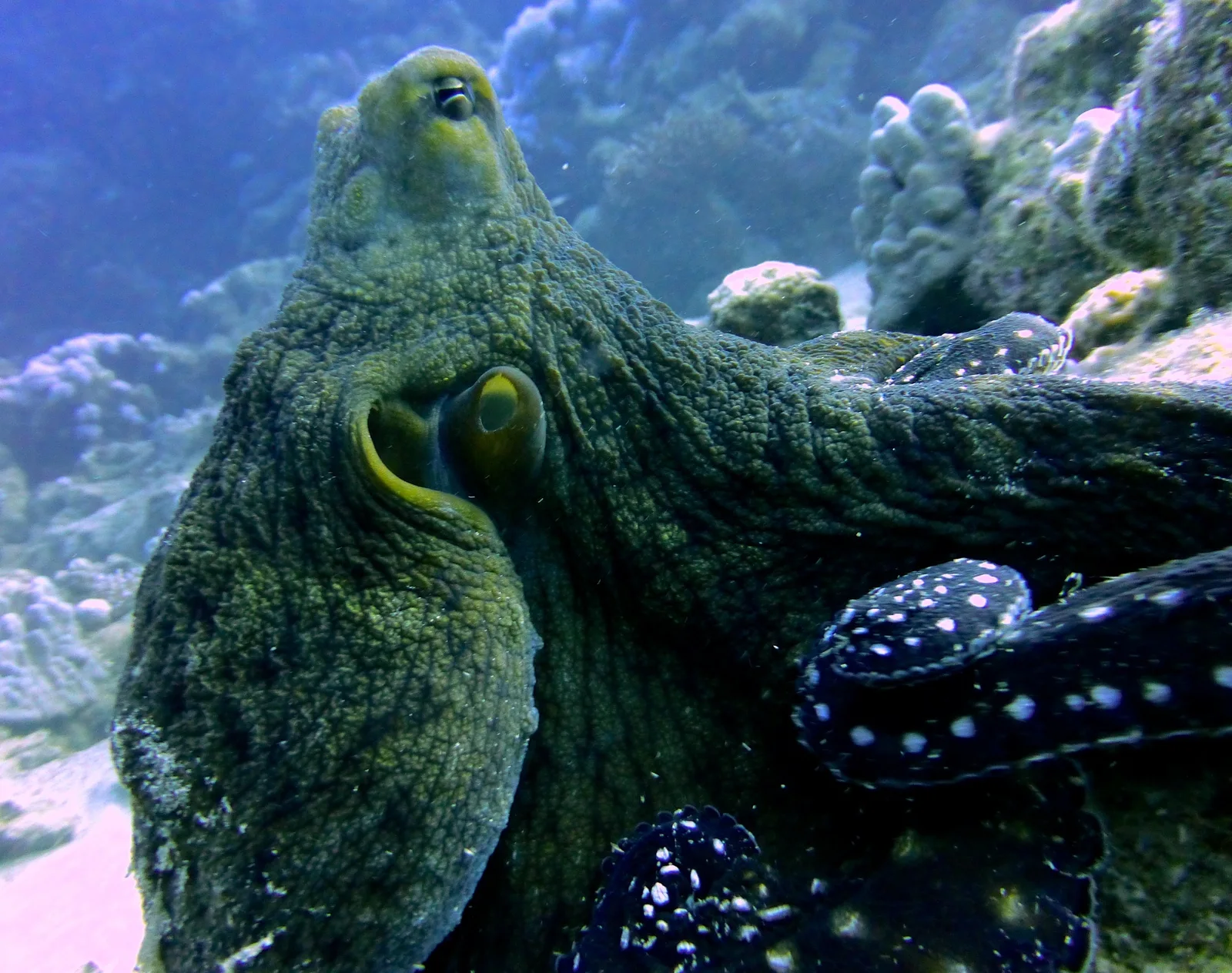
Day Octopus
Octopus cyanea
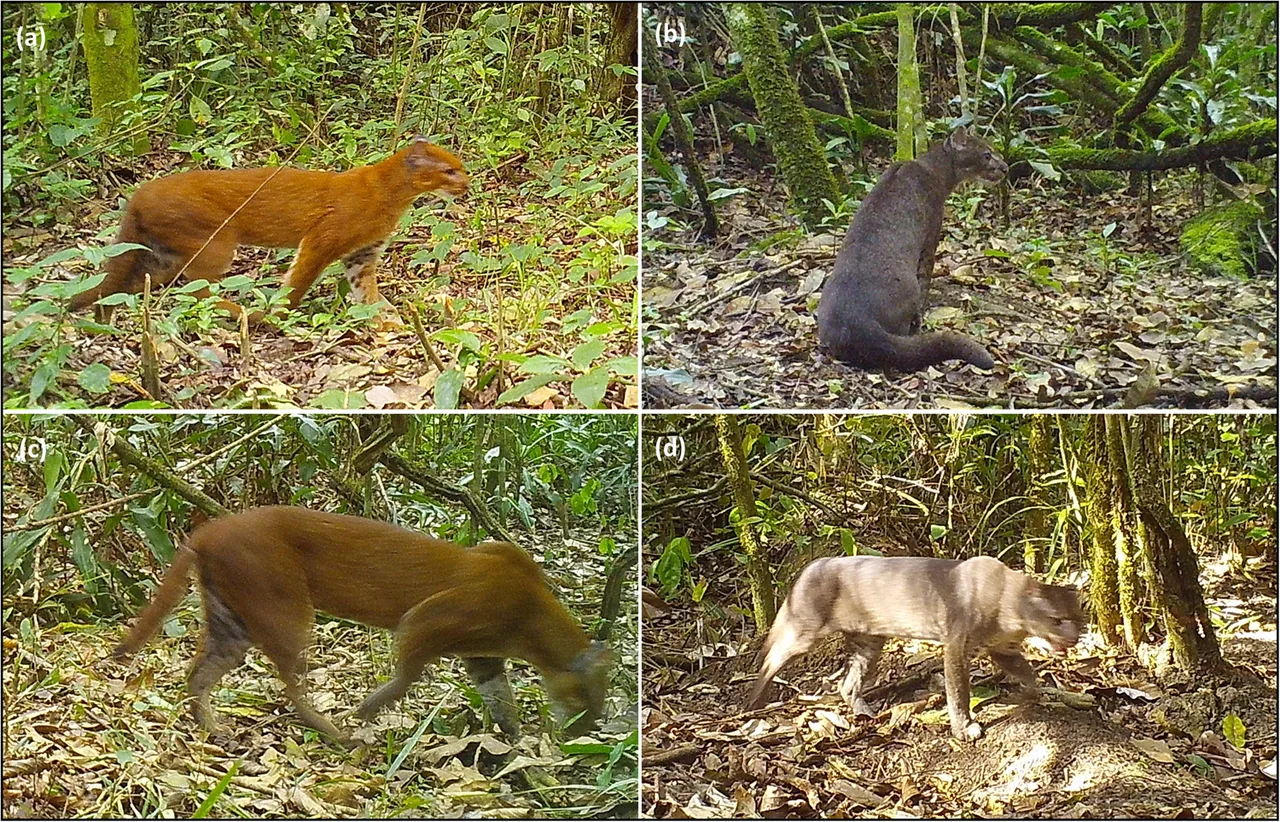
African Golden Cat
Caracal auratus
Evidence from the profiles
Compare their characteristics
| Trait | Day Octopus | African Golden Cat |
|---|---|---|
| Physical traits | Eight flexible, sucker-bearing arms surround the mouth. Rapid changes in skin color and texture help the animal blend with complex reef surfaces. | The body is robust and the coat varies between reddish and grayish forms. Spotting can be more visible on some parts of the body. |
| Habitat and range | Coral and rocky reefs offer crevices for shelter and varied surfaces over which to forage. A den can serve as a retreat between hunting excursions. | Dense African forest and secondary growth provide cover and hunting habitat. |
| Diet and nutrition | Crustaceans, molluscs and fish are among its prey. Flexible arms explore places that a rigid-bodied predator cannot easily reach. | Rodents and other forest mammals are important prey. Birds and additional small animals may also be taken. |
| Behavior and activity | Individuals are generally solitary. Crawling and camouflage support hunting; an ink release can help an octopus escape a threat. | It is generally solitary and difficult to observe in dense cover. Sparse observations should not be treated as a complete account of its daily behavior. |
| Reproduction and life cycle | The female guards and tends her eggs. Brood care involves reduced or absent feeding, and reproduction is followed by the end of the adult female’s life. | Data unavailable |
| Geographic distribution | Native to tropical Indo-Pacific waters. Its reef habitat includes both exposed surfaces and protected holes. | The Mammal Diversity Database v2.5 records this species in Angola, Cameroon, Central African Republic, Cote d'Ivoire, Democratic Republic of the Congo, Equatorial Guinea, Gabon, Ghana, Guinea, Liberia, Nigeria, Republic of the Congo, Sierra Leone, Uganda, Benin?, Burundi?, Gambia?, Guinea-Bissau?, Kenya?, Rwanda?, Senegal?, Sudan?, Togo?. |
| Distinctive adaptations | A soft body, grasping suckers and adjustable skin appearance make it an effective hunter in a structurally complex environment. | Data unavailable |
Classification
Shared ancestry
Closest shared taxon: Bilateria.