 Living Beings
Compare species
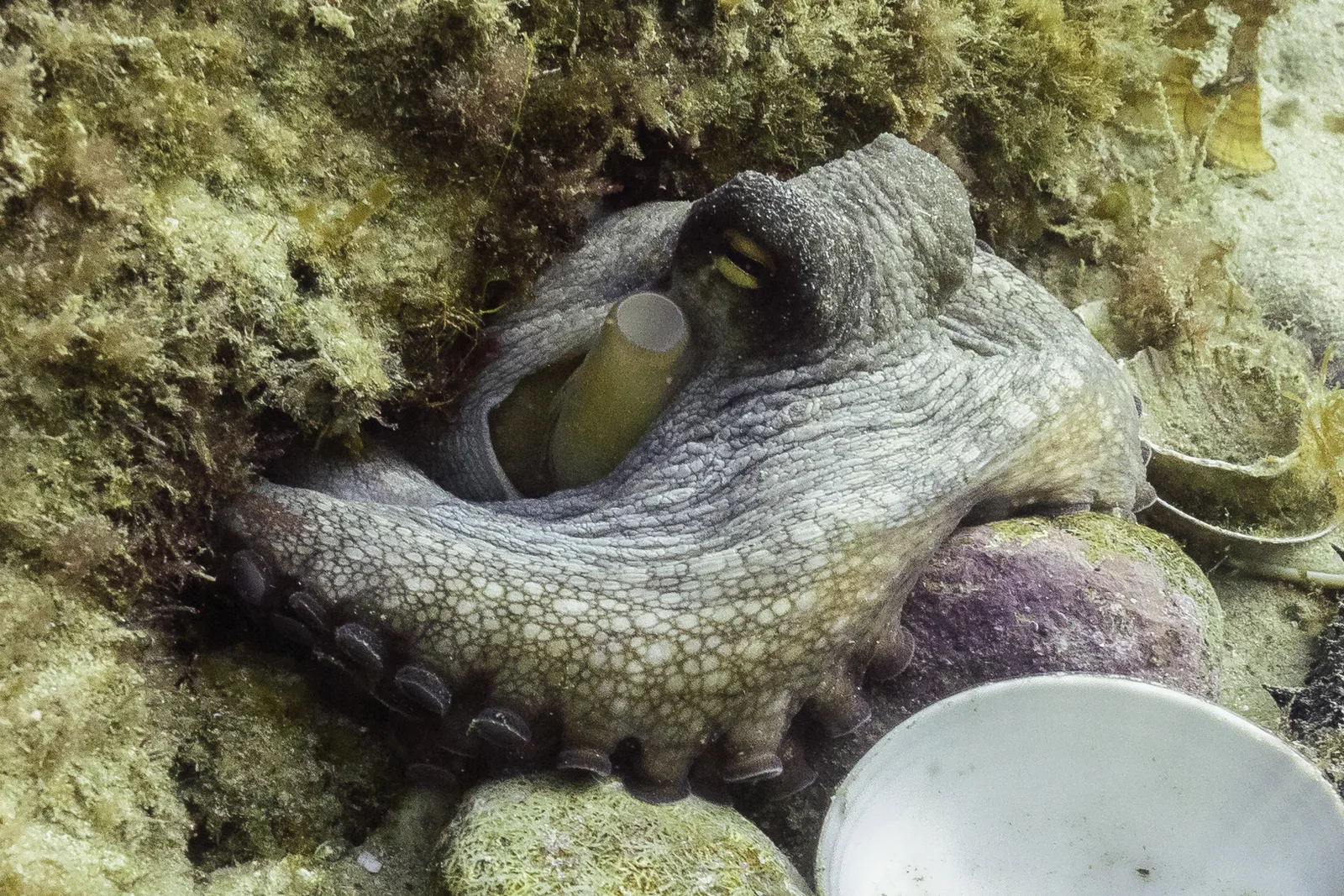
Common Octopus
Octopus vulgaris
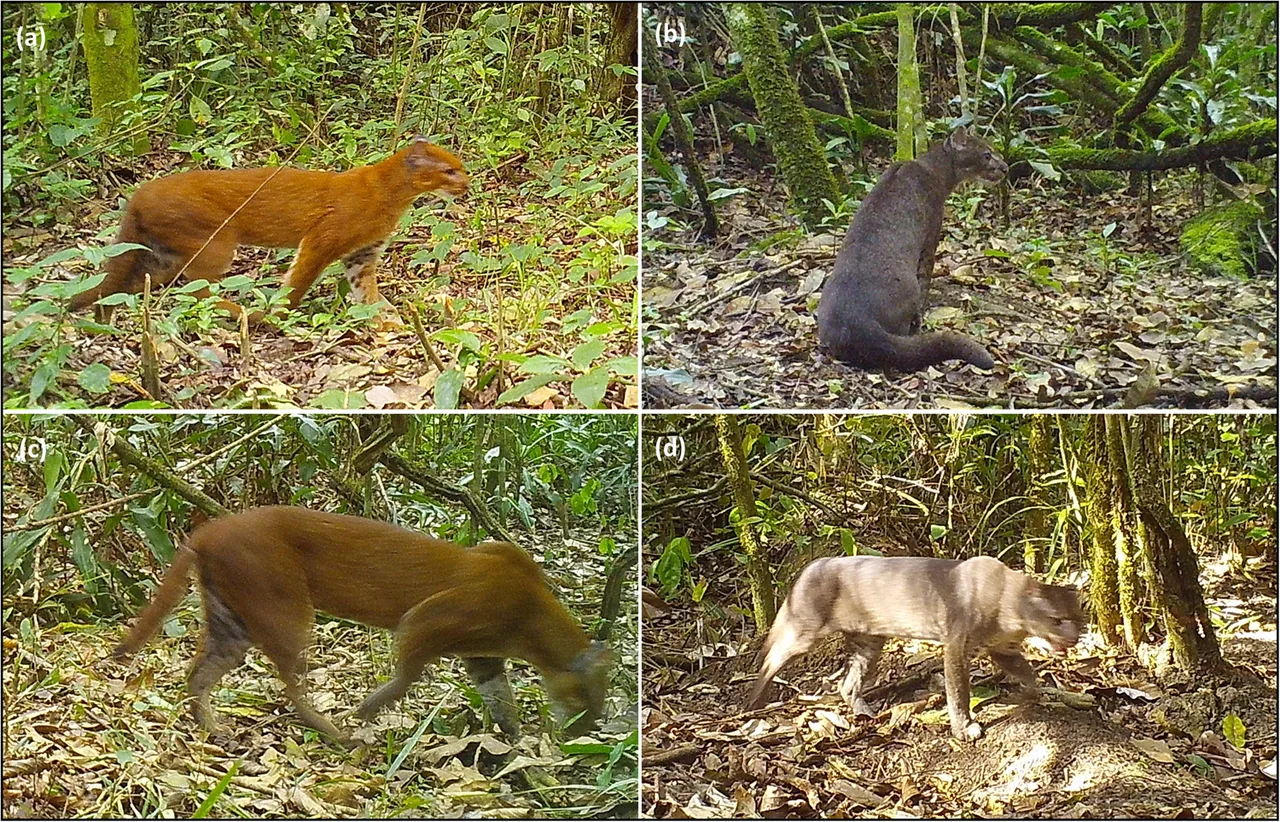
African Golden Cat
Caracal auratus
Evidence from the profiles
Compare their characteristics
| Trait | Common Octopus | African Golden Cat |
|---|---|---|
| Physical traits | Suckers line the arms, which surround the mouth. Skin color and texture can change, so a single color pattern is not a secure species diagnosis. | The body is robust and the coat varies between reddish and grayish forms. Spotting can be more visible on some parts of the body. |
| Habitat and range | Rocky shores, reefs and other coastal seabeds provide crevices and shelters. Soft-bottom areas can also be used. | Dense African forest and secondary growth provide cover and hunting habitat. |
| Diet and nutrition | Molluscs, crustaceans and other animal prey are captured with the arms and processed with the beak. | Rodents and other forest mammals are important prey. Birds and additional small animals may also be taken. |
| Behavior and activity | Individuals shelter in dens and explore using touch, vision and chemical cues. Learning changes responses to food and shelter. | It is generally solitary and difficult to observe in dense cover. Sparse observations should not be treated as a complete account of its daily behavior. |
| Reproduction and life cycle | Females tend attached egg strings in protected shelters. Small hatchlings enter a planktonic phase before settling into benthic life. | Data unavailable |
| Geographic distribution | The restricted species concept is associated with the eastern Atlantic and Mediterranean. Older global records may represent related species and need reassessment. | The Mammal Diversity Database v2.5 records this species in Angola, Cameroon, Central African Republic, Cote d'Ivoire, Democratic Republic of the Congo, Equatorial Guinea, Gabon, Ghana, Guinea, Liberia, Nigeria, Republic of the Congo, Sierra Leone, Uganda, Benin?, Burundi?, Gambia?, Guinea-Bissau?, Kenya?, Rwanda?, Senegal?, Sudan?, Togo?. |
| Ecological role | Octopuses consume benthic animals and are themselves prey for larger marine predators. | Data unavailable |
| Distinctive adaptations | Camouflage, flexible arms and jet-assisted escape provide several ways to handle threats. | Data unavailable |
| Conservation | Fishing pressure must be evaluated against local populations and the correct species identity; records from the entire historical complex cannot simply be pooled. | Data unavailable |
Classification
Shared ancestry
Closest shared taxon: Bilateria.