 Living Beings
Compare species
Rhizobium leguminosarum
Rhizobium leguminosarum
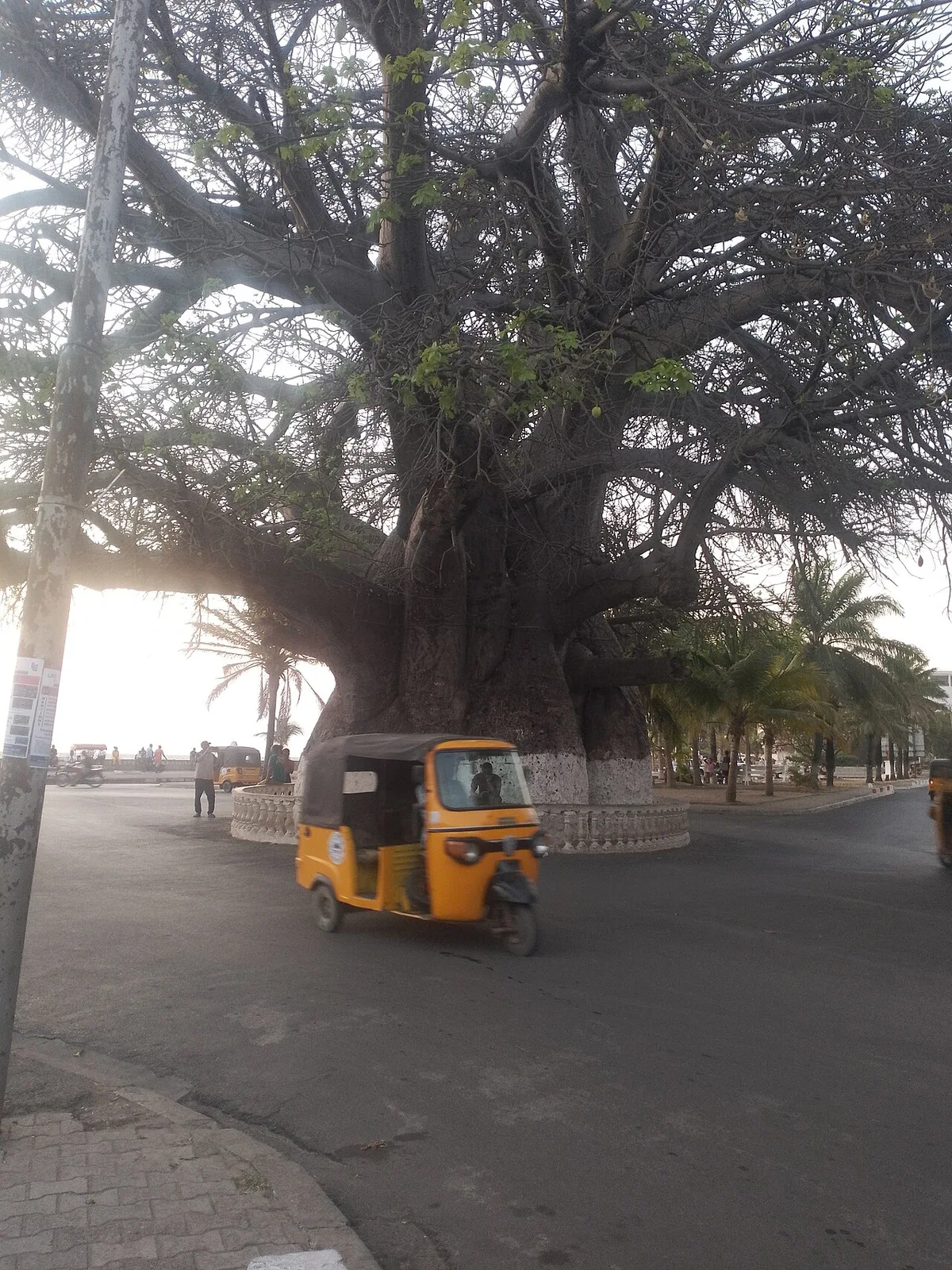
African Baobab
Adansonia digitata
How to compare two organisms
Choose two species and trace their closest shared group. Then compare a trait with the same definition on each side. Check the units, life stage and context before interpreting a measurement or range.
Missing data means that the collection lacks a sourced value. Where a characteristic does not apply to a lineage, the comparison labels it separately. Open the two profiles for context and follow their sources before drawing a conclusion.
Evidence from the profiles
Compare their characteristics
| Trait | Rhizobium leguminosarum | African Baobab |
|---|---|---|
| Physical traits | Free-living cells are rod-shaped. Cells in a symbiotic nodule can differ physiologically from those growing outside the plant. | Thick, fibrous bark surrounds a broad trunk. Each compound leaf has several leaflets radiating from a central point. |
| Habitat and range | Soil around a root, the root surface and the inside of a nodule are distinct environments. A pea-associated model study followed the bacterial requirements for growth and competition across these successive stages. | A terrestrial tree of tropical Africa, it is adapted to seasonally dry conditions and is also planted in gardens and settlements. |
| Diet and nutrition | Organic carbon supports free-living growth. Inside an effective nodule, plant resources support bacterial metabolism and nitrogen fixation. Experimental work identifies changing requirements for carbon processing and nutrient assimilation between colonization and the nitrogen-fixing bacteroid stage. | Leaves produce sugars through photosynthesis. Water and mineral nutrients are taken up through the roots. |
| Behavior and activity | Nodulation signaling, motility, cell-envelope changes and metabolic adjustment contribute to colonization. A transposon-based study distinguished requirements shared across successive stages from requirements specific to root growth or nodule function. | Data unavailable |
| Reproduction and life cycle | Cells divide outside the plant and may encounter a compatible root. Successful interactions progress through colonization and infection to nodule-associated development. The pea model also investigated release from nodules; host compatibility and strain identity are essential context. | Large, hanging white flowers develop into capsules containing seeds embedded in pale, powdery pulp. New trees can be grown from seed. |
| Geographic distribution | Strain records occur across agricultural and natural settings. Host association and strain provenance should accompany detailed locality data. | Native to Africa and cultivated elsewhere. The accompanying photograph shows a planted specimen in Madagascar; that location should not be confused with the native range of every baobab species. |
| Ecological role | Effective symbiosis makes atmospheric nitrogen available within the legume partnership. Competition around roots helps determine which bacteria establish the interaction, connecting free-living survival with the later nutritional benefit to the plant. | Its flowers, fruit and extensive woody structure provide biological resources. The familiar name baobab also applies to other species, which should not be confused with this one. |
| Distinctive adaptations | Sequenced strain 3841 has a chromosome and multiple plasmids. Its genome study distinguishes a broadly shared core from more variably distributed accessory components, helping explain why bacteria with shared cellular ancestry can differ in ecological capabilities. | A substantial trunk and drought-resistant growth form help distinguish this tree from many humid-forest trees. |
Classification
Shared ancestry
Closest shared taxon: cellular organisms.