 Living Beings
Compare species
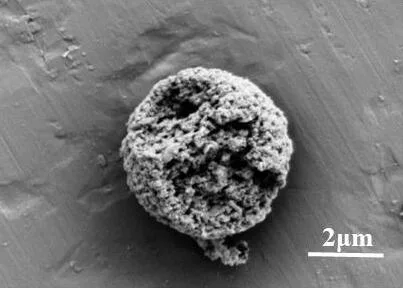
Saccharolobus solfataricus
Saccharolobus solfataricus
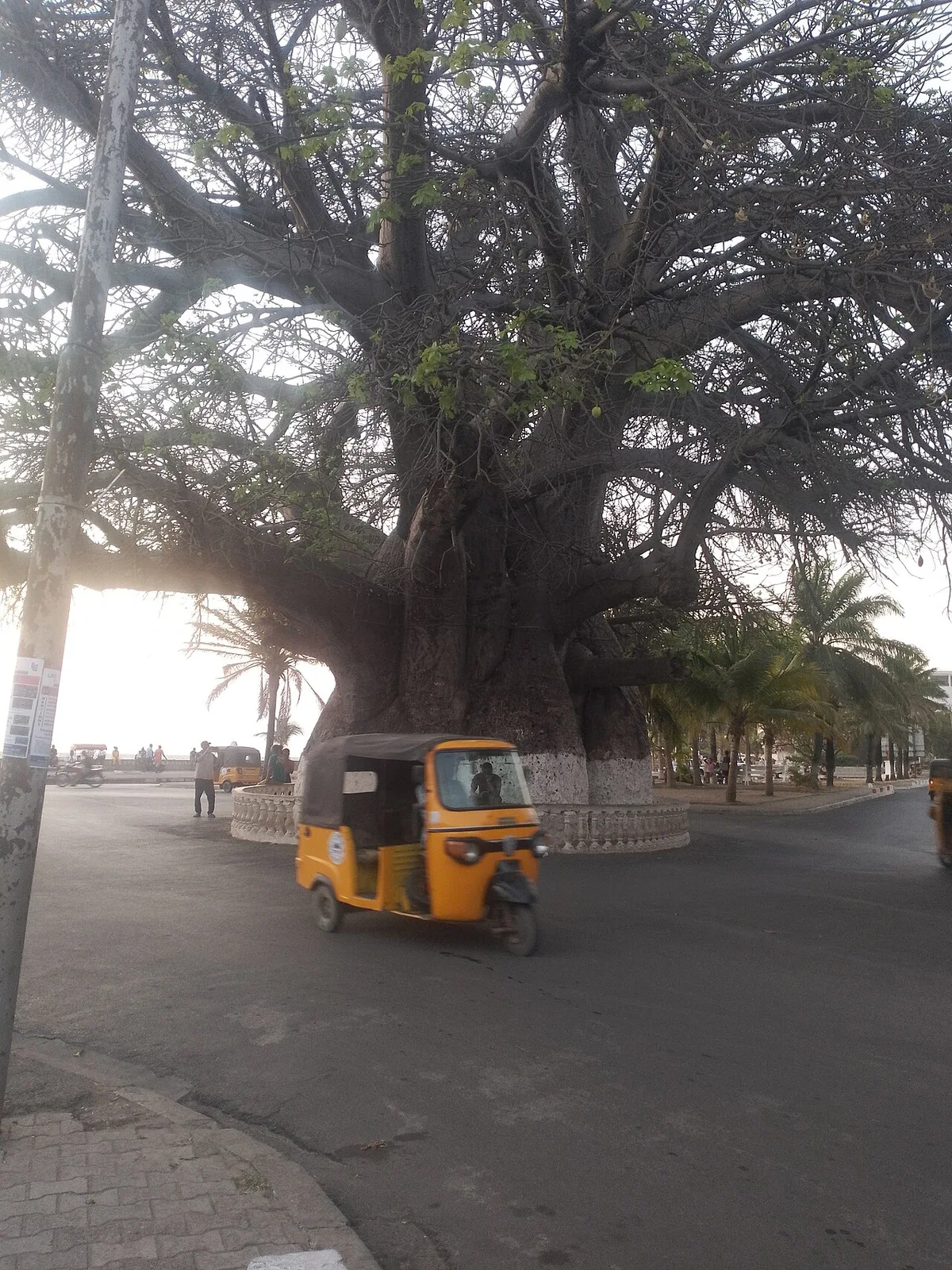
African Baobab
Adansonia digitata
Evidence from the profiles
Compare their characteristics
| Trait | Saccharolobus solfataricus | African Baobab |
|---|---|---|
| Physical traits | Small, irregular cells are studied through microscopy and molecular methods. A protein structure from this species is not a photograph of the organism. | Thick, fibrous bark surrounds a broad trunk. Each compound leaf has several leaflets radiating from a central point. |
| Habitat and range | Hot, acidic terrestrial environments provide its characteristic setting, reproduced selectively in laboratory culture. | A terrestrial tree of tropical Africa, it is adapted to seasonally dry conditions and is also planted in gardens and settlements. |
| Diet and nutrition | The reference genome encodes systems for sugar, protein and sulfur-related metabolism, reflecting several potential resource-use pathways. | Leaves produce sugars through photosynthesis. Water and mineral nutrients are taken up through the roots. |
| Behavior and activity | Transport and sensory systems connect cellular activity to environmental resources. Mobile genetic elements contribute to genome variation. | Data unavailable |
| Reproduction and life cycle | Replication, genome maintenance and cell division support culture growth. The P2 genome contains numerous mobile elements. | Large, hanging white flowers develop into capsules containing seeds embedded in pale, powdery pulp. New trees can be grown from seed. |
| Geographic distribution | The reference strain has a documented geothermal origin. Laboratory use across countries is not a map of natural populations. | Native to Africa and cultivated elsewhere. The accompanying photograph shows a planted specimen in Madagascar; that location should not be confused with the native range of every baobab species. |
| Ecological role | Its physiology contributes to the diversity of microorganisms inhabiting acidic geothermal environments. | Its flowers, fruit and extensive woody structure provide biological resources. The familiar name baobab also applies to other species, which should not be confused with this one. |
| Distinctive adaptations | The P2 genome study found abundant mobile genetic elements and many transport, protease and sugar-metabolism genes. This documents a flexible genomic and metabolic repertoire in an identified research strain. The original paper used Sulfolobus solfataricus; later taxonomic work transferred the species to Saccharolobus, so both names occur in its scientific literature. | A substantial trunk and drought-resistant growth form help distinguish this tree from many humid-forest trees. |
Classification
Shared ancestry
Closest shared taxon: cellular organisms.
Sources from both profiles
Saccharolobus solfataricus
- Saccharolobus solfataricus · NCBI Taxonomy ↗
- Saccharolobus caldissimus gen. nov., sp. nov., a facultatively anaerobic iron-reducing hyperthermophilic archaeon isolated from an acidic terrestrial hot spring, and reclassification of Sulfolobus solfataricus as Sacc… ↗
- The complete genome of the crenarchaeon Sulfolobus solfataricus P2 ↗