 Living Beings
Compare species

Streptomyces coelicolor
Streptomyces coelicolor
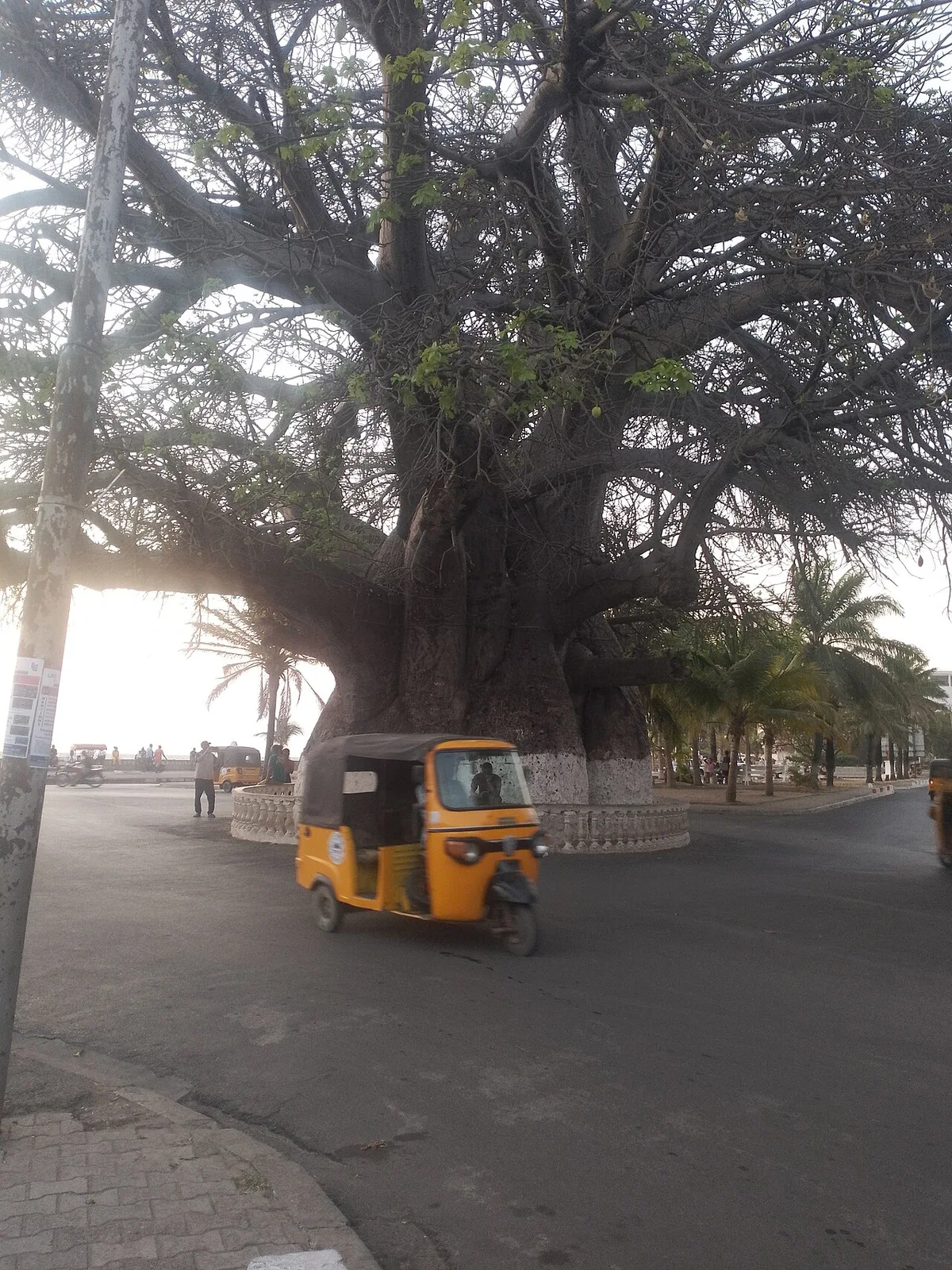
African Baobab
Adansonia digitata
Evidence from the profiles
Compare their characteristics
| Trait | Streptomyces coelicolor | African Baobab |
|---|---|---|
| Physical traits | Branching filaments form colonies with substrate and aerial growth. Spore-bearing aerial structures develop under suitable conditions. | Thick, fibrous bark surrounds a broad trunk. Each compound leaf has several leaflets radiating from a central point. |
| Habitat and range | Soil and organic substrates provide variable nutrients and exposure to competing microorganisms. | A terrestrial tree of tropical Africa, it is adapted to seasonally dry conditions and is also planted in gardens and settlements. |
| Diet and nutrition | Organic substrates provide carbon and energy, supported by varied transport and metabolic systems. | Leaves produce sugars through photosynthesis. Water and mineral nutrients are taken up through the roots. |
| Behavior and activity | Colony development involves changes in growth form and gene regulation. Secondary-metabolite production is linked with developmental and environmental conditions. | Data unavailable |
| Reproduction and life cycle | Filamentous vegetative growth can give rise to aerial structures and dispersal spores, which germinate into new growth. | Large, hanging white flowers develop into capsules containing seeds embedded in pale, powdery pulp. New trees can be grown from seed. |
| Geographic distribution | Documented isolates and laboratory strains have specific origins. A3(2) is a research strain, not a geographic population category. | Native to Africa and cultivated elsewhere. The accompanying photograph shows a planted specimen in Madagascar; that location should not be confused with the native range of every baobab species. |
| Ecological role | The bacterium participates in soil resource use and chemical interactions with other microbes. | Its flowers, fruit and extensive woody structure provide biological resources. The familiar name baobab also applies to other species, which should not be confused with this one. |
| Distinctive adaptations | The A3(2) genome has a linear chromosome and numerous regulatory genes associated with environmental responses. It also contains clusters for known or predicted secondary metabolites. This helps connect the bacterium’s changing colony development with chemical diversity; the presence of a gene cluster is not evidence that every culture produces an identical mixture. | A substantial trunk and drought-resistant growth form help distinguish this tree from many humid-forest trees. |
Classification
Shared ancestry
Closest shared taxon: cellular organisms.