 Living Beings
Compare species
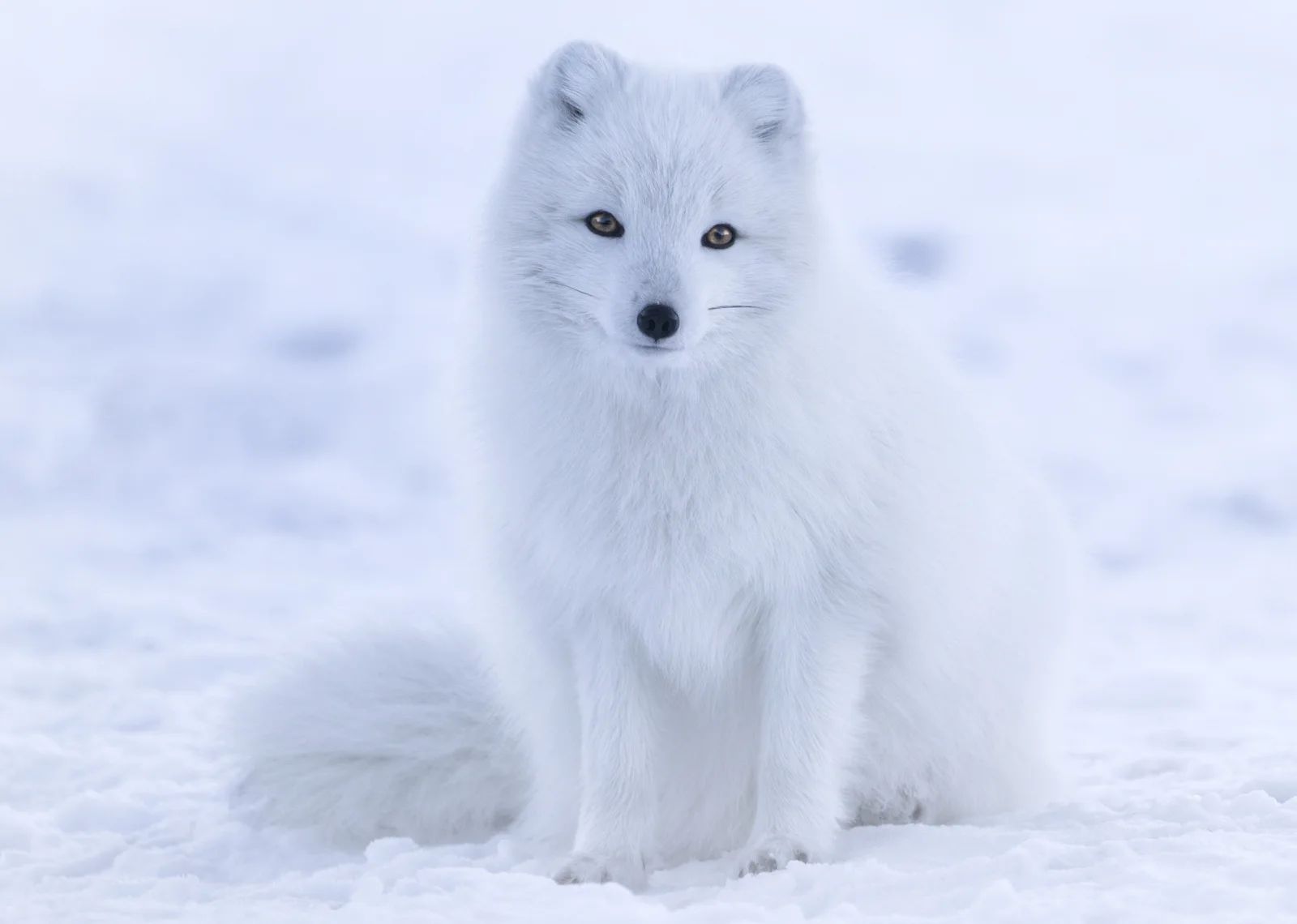
Arctic Fox
Vulpes lagopus
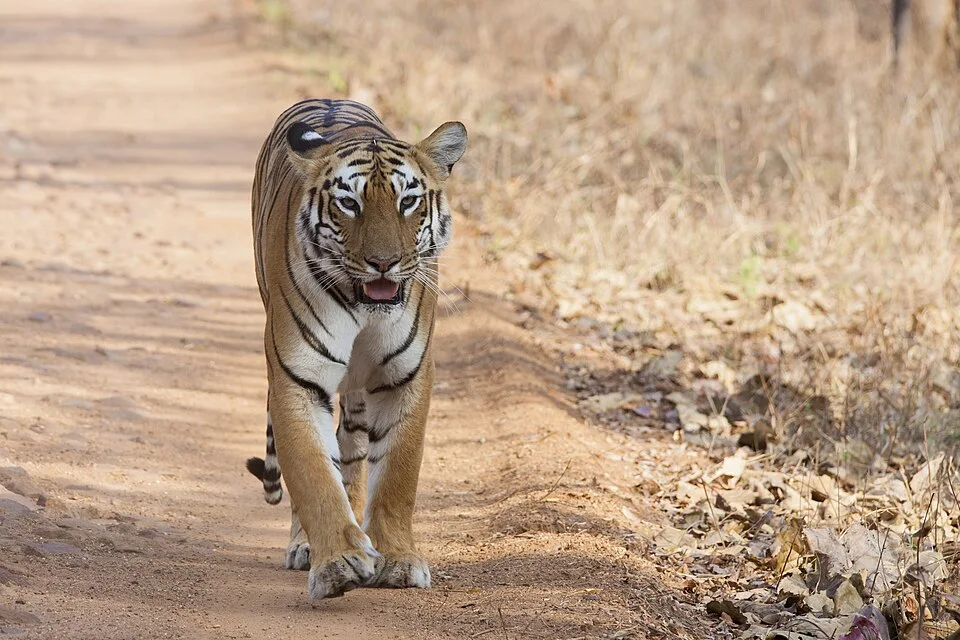
Tiger
Panthera tigris
Evidence from the profiles
Compare their characteristics
| Trait | Arctic Fox | Tiger |
|---|---|---|
| Nutrition | Data unavailable | Carnivorous Source ↗ |
| Social organization | Data unavailable | Generally solitary Source ↗ |
| Physical traits | A rounded body and short ears reduce exposed surface area. White-morph animals change from a darker summer coat to white winter fur; blue-morph foxes retain darker winter coloration. | Dark stripes break up the tiger’s outline. Stripe patterns vary from one individual to another. |
| Habitat and range | Treeless tundra, coastal plains and nearby shorelines offer den sites and seasonally changing food supplies. | Tigers live in varied habitats, including tropical forests, mangrove swamps and temperate forest. |
| Diet and nutrition | Small mammals, birds, eggs and carrion are taken opportunistically. Food collected during periods of abundance can be cached for later use. | Tigers mainly hunt large mammals, including deer and wild pigs. |
| Behavior and activity | Foxes search widely for food and use established dens to raise young. Their flexible feeding behavior is valuable in environments where food availability changes sharply. | A tiger usually hunts by stalking its prey and attacking at close range. |
| Reproduction and life cycle | Pups are raised in dens, and both parents can help bring food and care for them. | Data unavailable |
| Geographic distribution | Found around the Arctic, including northern Alaska. Coastal and inland populations experience different combinations of prey and scavenging opportunities. | Data unavailable |
| Distinctive adaptations | Insulation comes from dense seasonal fur, including hair on the feet. Seasonal coat color also changes how conspicuous an animal is against its surroundings. | Data unavailable |
Classification
Shared ancestry
Closest shared taxon: Carnivora.
Explore the taxonomy ↗