 Living Beings
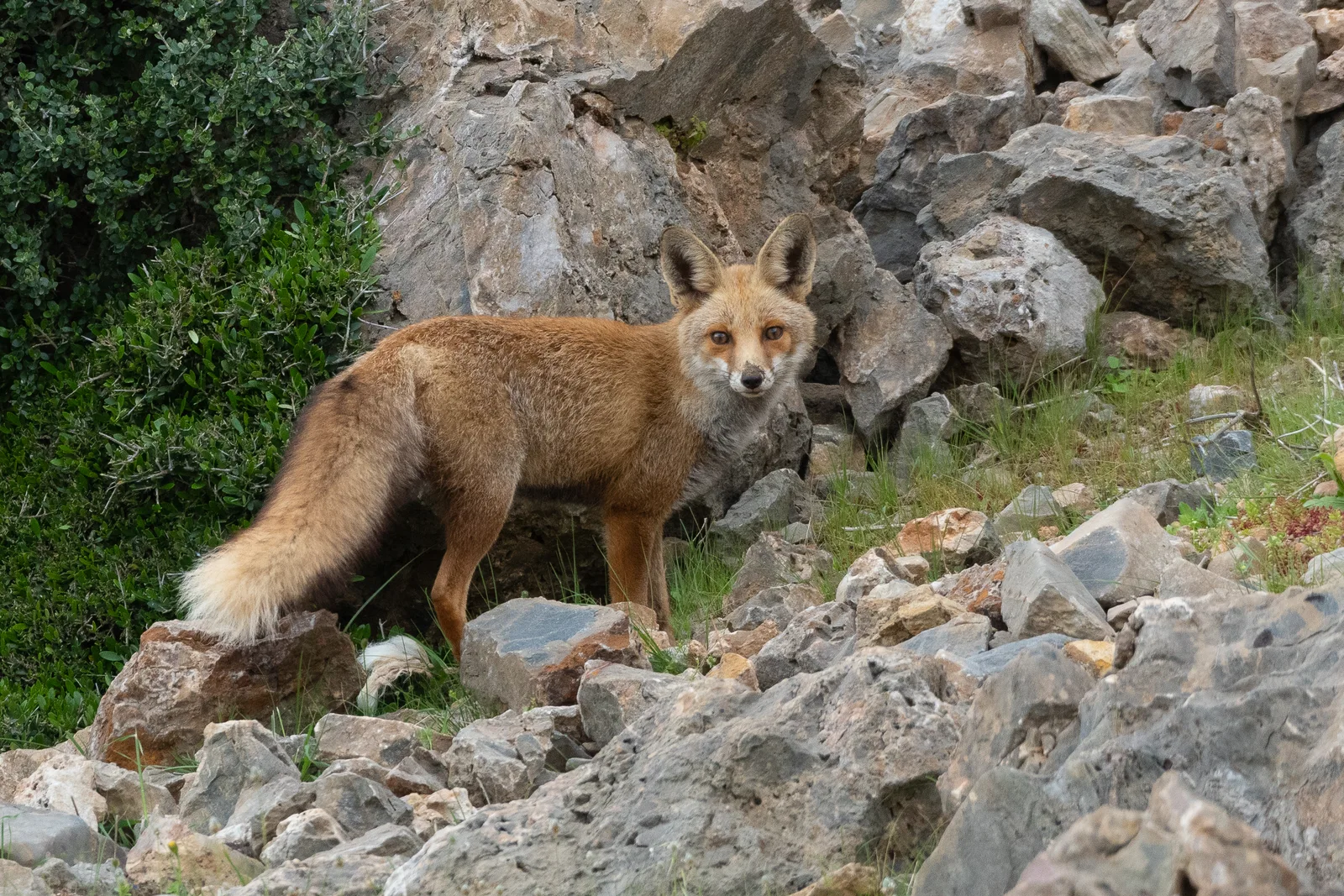
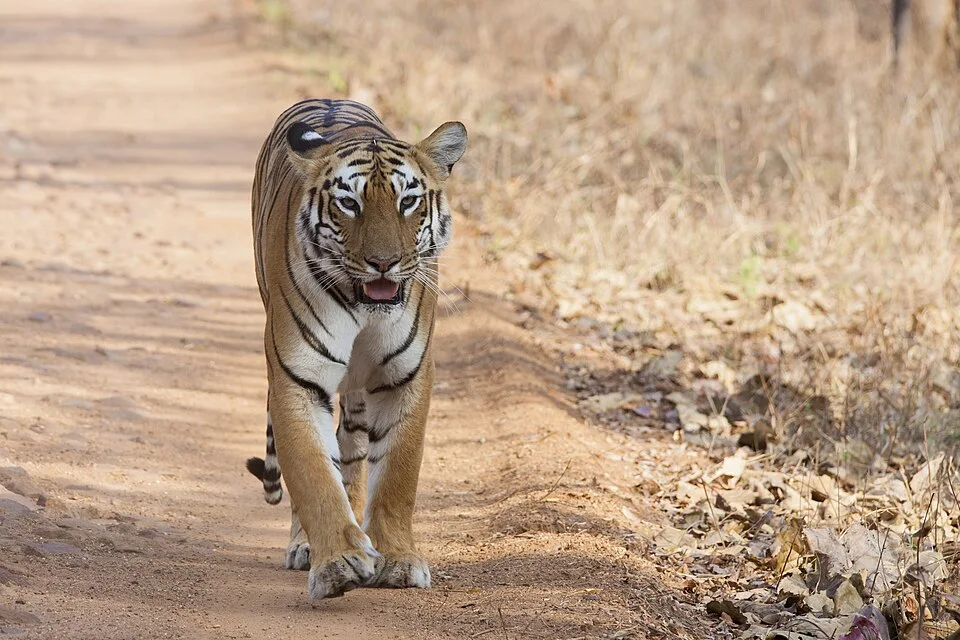
Evidence from the profiles
Compare their characteristics
| Trait | Red Fox | Tiger |
|---|---|---|
| Nutrition | Data unavailable | Carnivorous Source ↗ |
| Social organization | Data unavailable | Generally solitary Source ↗ |
| Physical traits | A reddish coat is familiar, but dark and pale color forms occur. The long tail and relatively narrow muzzle help distinguish its silhouette. | Dark stripes break up the tiger’s outline. Stripe patterns vary from one individual to another. |
| Habitat and range | Foxes use cover for resting and open areas for foraging. Farmland and some urban environments can provide both. | Tigers live in varied habitats, including tropical forests, mangrove swamps and temperate forest. |
| Diet and nutrition | Small mammals are important food, alongside insects, fruit and other available resources. | Tigers mainly hunt large mammals, including deer and wild pigs. |
| Behavior and activity | Foraging is often solitary. Foxes cache food and use scent and vocal signals to communicate. | A tiger usually hunts by stalking its prey and attacking at close range. |
| Reproduction and life cycle | Young develop in a den and depend on adults for food and protection before dispersing. | Data unavailable |
| Geographic distribution | The species occurs across much of the Northern Hemisphere and has been introduced elsewhere, including Australia. Native and introduced populations should be distinguished. | Data unavailable |
| Ecological role | Red foxes act as predators, scavengers and consumers of fruit. Introduced populations can affect native wildlife. | Data unavailable |
| Distinctive adaptations | Acute hearing helps locate small prey; dietary flexibility supports survival in changing environments. | Data unavailable |
| Conservation | Population condition differs by region. Being widespread does not remove the need to assess local pressures or impacts in introduced ranges. | Data unavailable |
Classification
Shared ancestry
Closest shared taxon: Carnivora.
Explore the taxonomy ↗