 Living Beings
Compare species
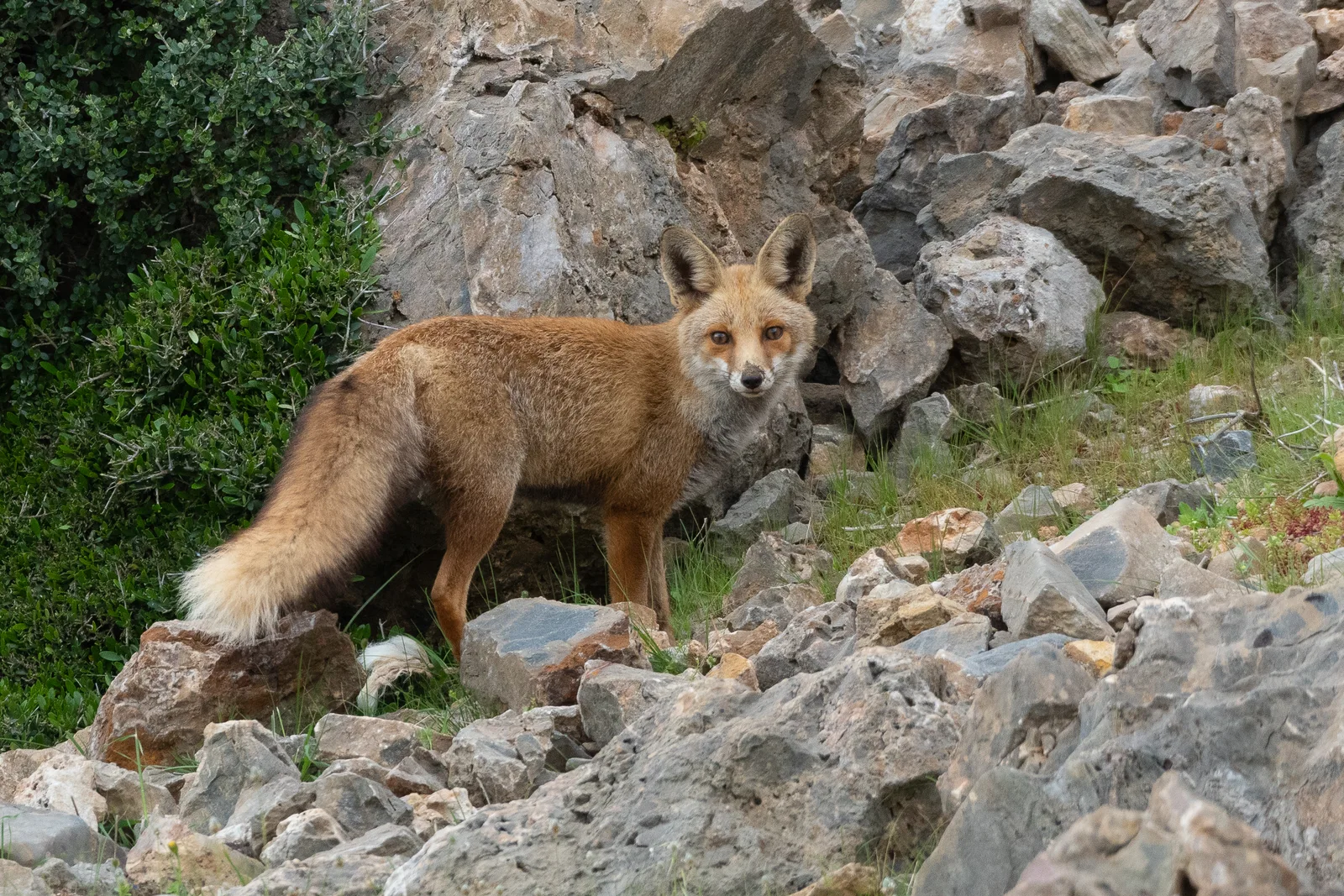
Red Fox
Vulpes vulpes
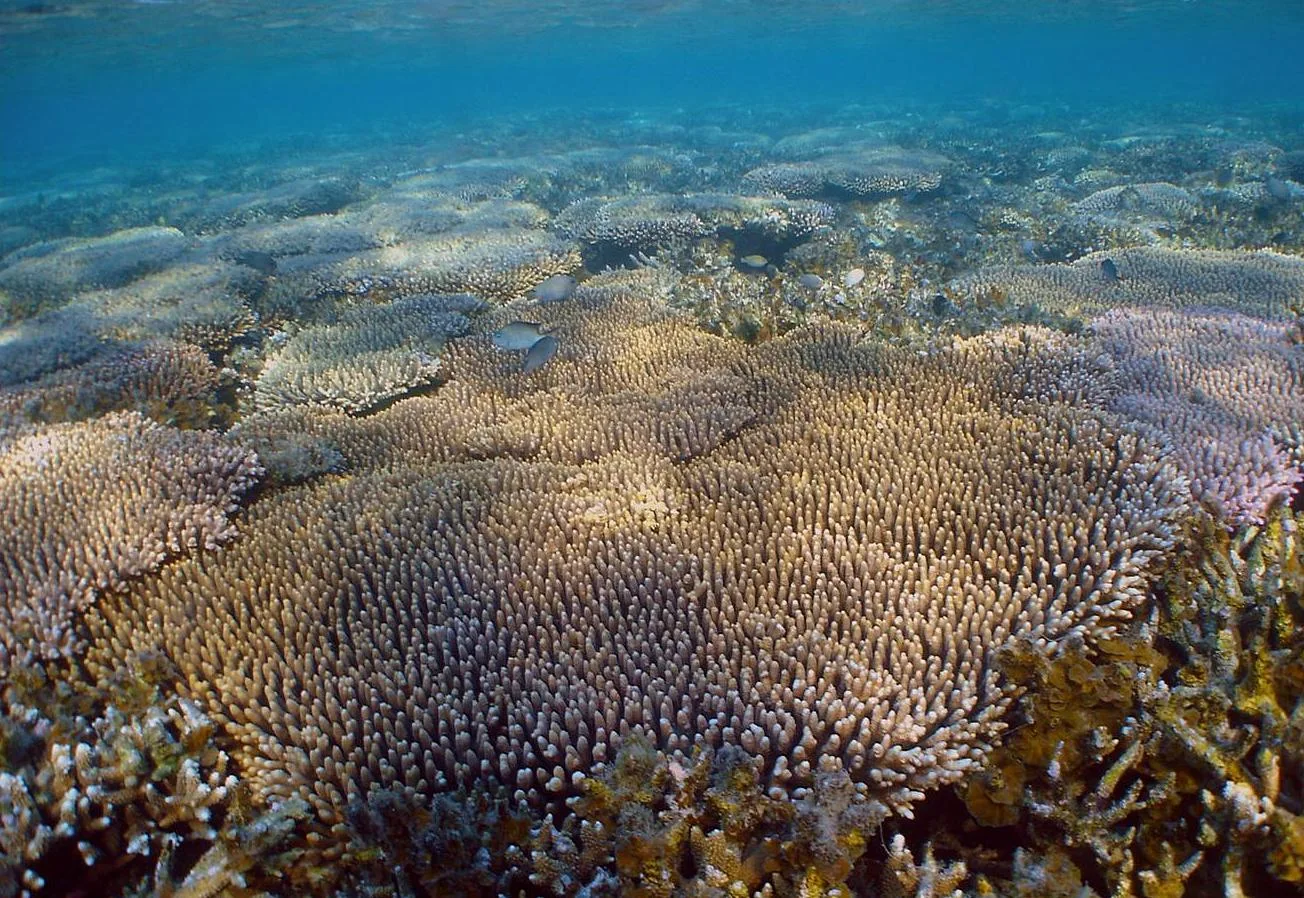
Acropora millepora
Acropora millepora
Evidence from the profiles
Compare their characteristics
| Trait | Red Fox | Acropora millepora |
|---|---|---|
| Physical traits | A reddish coat is familiar, but dark and pale color forms occur. The long tail and relatively narrow muzzle help distinguish its silhouette. | Colonies form branching structures covered by small skeletal cups that house polyps. Colony color alone is insufficient for secure species identification. |
| Habitat and range | Foxes use cover for resting and open areas for foraging. Farmland and some urban environments can provide both. | Shallow, well-lit marine reef environments support the coral and its photosynthetic partners. |
| Diet and nutrition | Small mammals are important food, alongside insects, fruit and other available resources. | Polyps capture small suspended food, while algal symbionts contribute photosynthetic products. |
| Behavior and activity | Foraging is often solitary. Foxes cache food and use scent and vocal signals to communicate. | Tentacles and mucus help the colony interact with surrounding seawater. Recognition mechanisms influence responses to microbes. |
| Reproduction and life cycle | Young develop in a den and depend on adults for food and protection before dispersing. | Colonies grow by producing additional polyps. Sexual reproduction can release gametes that develop into settling larvae. |
| Geographic distribution | The species occurs across much of the Northern Hemisphere and has been introduced elsewhere, including Australia. Native and introduced populations should be distinguished. | The species occurs in the Indo-Pacific reef region. Species-level locality records should accompany detailed range mapping. |
| Ecological role | Red foxes act as predators, scavengers and consumers of fruit. Introduced populations can affect native wildlife. | Skeletal growth contributes reef structure and habitat. Symbiotic interactions are central to energy supply and colony health. |
| Distinctive adaptations | Acute hearing helps locate small prey; dietary flexibility supports survival in changing environments. | A colonial body and partnerships with photosynthetic cells support growth in well-lit reef environments. |
| Conservation | Population condition differs by region. Being widespread does not remove the need to assess local pressures or impacts in introduced ranges. | Thermal stress, bleaching and degradation of reef habitat are concerns. A source on molecular recognition does not establish a current Red List category. |
Classification
Shared ancestry
Closest shared taxon: Eumetazoa.