 Living Beings
Compare species
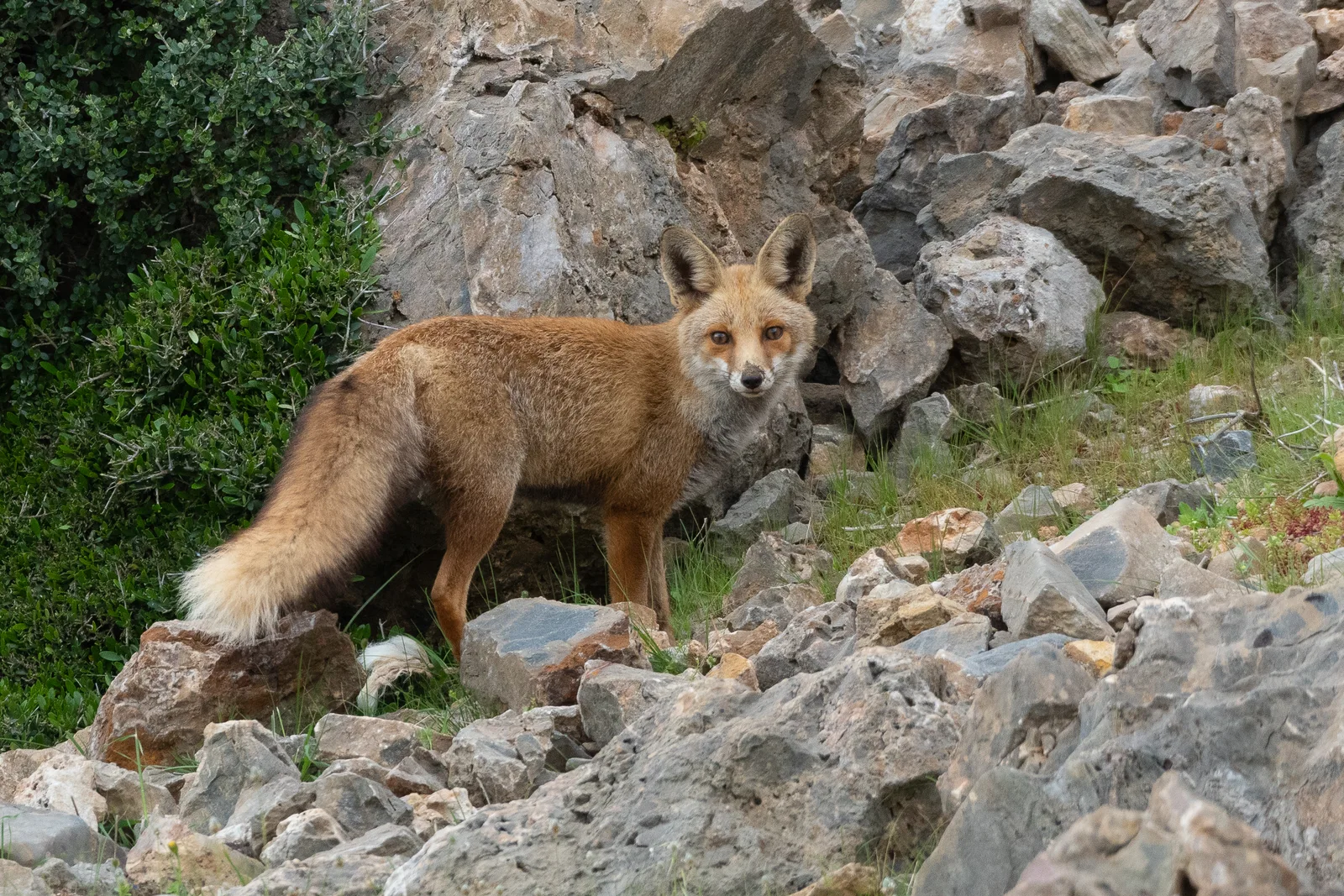
Red Fox
Vulpes vulpes
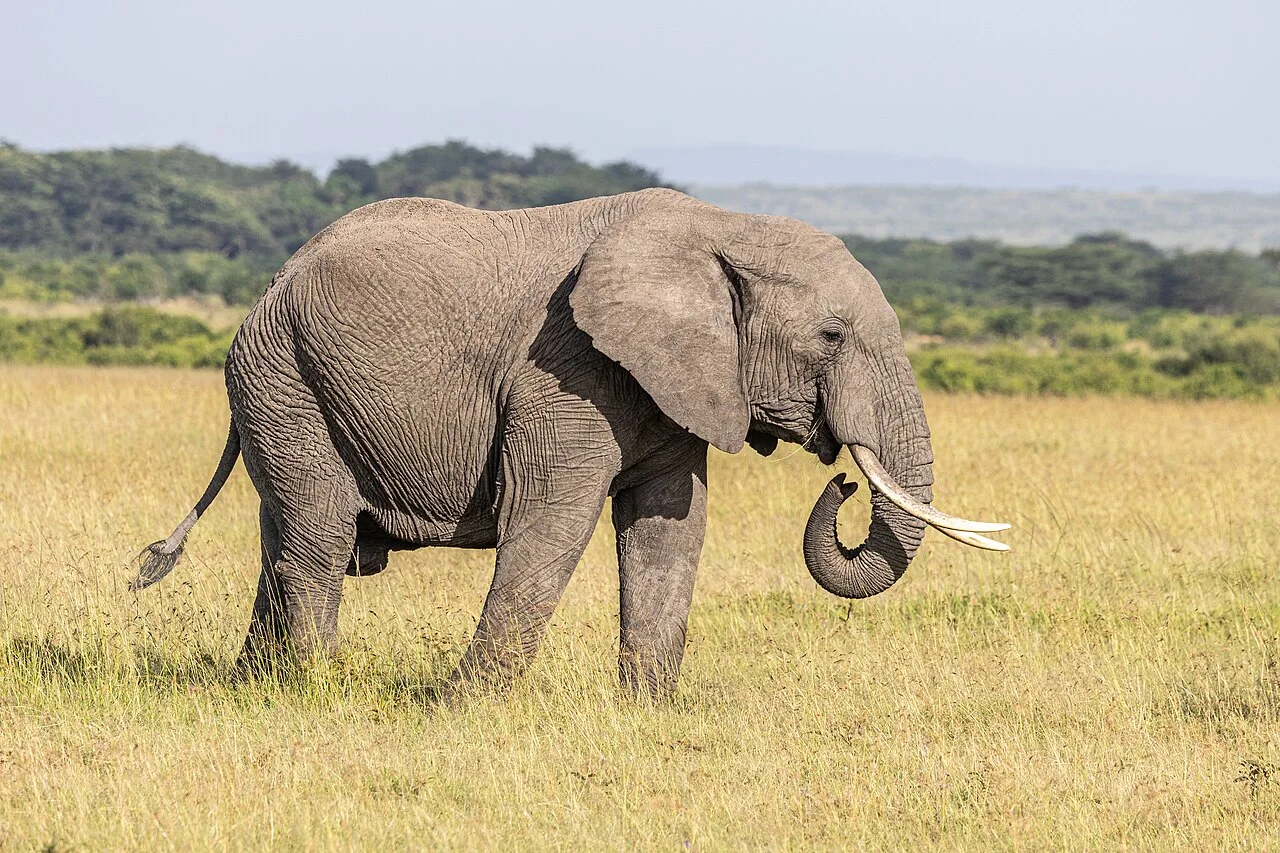
African Savanna Elephant
Loxodonta africana
Evidence from the profiles
Compare their characteristics
| Trait | Red Fox | African Savanna Elephant |
|---|---|---|
| Physical traits | A reddish coat is familiar, but dark and pale color forms occur. The long tail and relatively narrow muzzle help distinguish its silhouette. | Broad ears, a long trunk and column-like legs give the animal its familiar outline. The trunk tip has two finger-like projections. Both sexes can develop tusks. |
| Habitat and range | Foxes use cover for resting and open areas for foraging. Farmland and some urban environments can provide both. | Savannas and open woodland provide a shifting mixture of browse, grass, shade and drinking water. Seasonal water availability influences the places that herds use. |
| Diet and nutrition | Small mammals are important food, alongside insects, fruit and other available resources. | Grasses, leaves, bark and other plant material make up its diet. The trunk gathers food and moves it to the mouth. |
| Behavior and activity | Foraging is often solitary. Foxes cache food and use scent and vocal signals to communicate. | Female relatives and their young form long-lasting social groups. Older females hold knowledge of familiar routes and resources; adult males have a different pattern of association. |
| Reproduction and life cycle | Young develop in a den and depend on adults for food and protection before dispersing. | Calves are born alive and depend on milk and extended social care. Learning from other elephants is an important part of growing up. |
| Geographic distribution | The species occurs across much of the Northern Hemisphere and has been introduced elsewhere, including Australia. Native and introduced populations should be distinguished. | Native to sub-Saharan Africa. This account follows the savanna-elephant species concept rather than treating all African elephants as one species. |
| Ecological role | Red foxes act as predators, scavengers and consumers of fruit. Introduced populations can affect native wildlife. | Feeding and movement alter vegetation, and dung transfers seeds and nutrients. Habitat fragmentation and killing for ivory threaten populations. |
| Distinctive adaptations | Acute hearing helps locate small prey; dietary flexibility supports survival in changing environments. | Data unavailable |
| Conservation | Population condition differs by region. Being widespread does not remove the need to assess local pressures or impacts in introduced ranges. | Data unavailable |
Classification
Shared ancestry
Closest shared taxon: Eutheria.