 Living Beings

 Framed for display
Species · Ursus
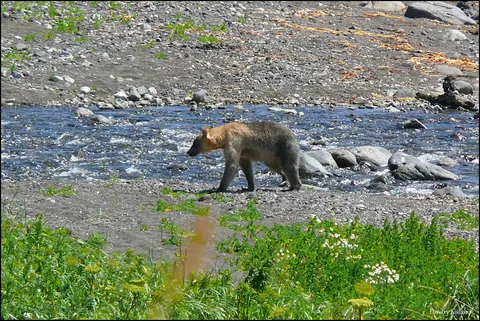
Brown Bear
Ursus arctos
Brown bears are large omnivores with a prominent shoulder hump and powerful forelimbs. Their diets and seasonal routines change with the foods …
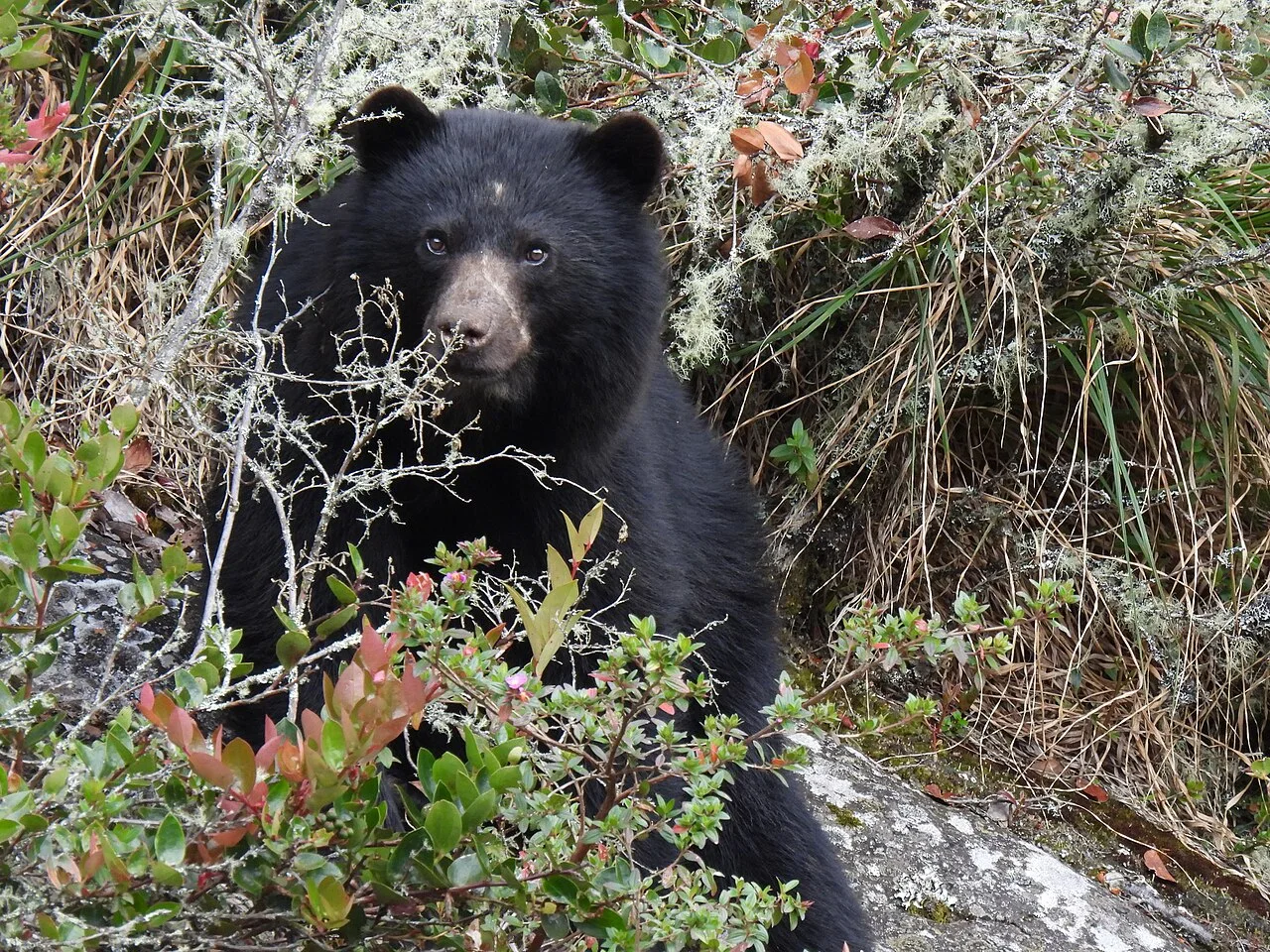
Tremarctos ornatus 165975083.jpg · Resized and converted to WebP for display. AI-generated illustration. Jonathan Candil Méndez · CC BY 4.0
Field guide · species
Tremarctos ornatus
The Andean bear, also called the spectacled bear, is the living bear native to South America. It connects forests and high mountain vegetation through a flexible, largely plant-based diet rather than the hunting lifestyle often associated with large carnivores.
Public research profile · final editorial review pending.
Complete source lineage, including intermediate ranks. The standard view uses Life and the eight principal ranks.
Pale facial and chest markings vary between individuals and may suggest spectacles. The coat is usually dark, although brownish individuals occur.
Cloud forest, montane woodland and adjacent high-elevation vegetation provide different foods through the year. Habitat use can change as fruits and other resources become available.
Fruit, bromeliads and other plant material are important foods. Animal matter is also eaten, making this bear an omnivore rather than a strict herbivore.
Individuals are often solitary, but food concentrations can bring bears together. They climb trees to feed and rest, so their ecological space includes the canopy as well as the ground.
Females care for dependent cubs. Some details of wild mating and reproductive timing remain less thoroughly documented than the species’ feeding ecology.
The Mammal Diversity Database v2.5 records this species in Bolivia, Colombia, Ecuador, Peru, Venezuela, Argentina?.
Shared classification
Framed for display
Ursus arctos
Brown bears are large omnivores with a prominent shoulder hump and powerful forelimbs. Their diets and seasonal routines change with the foods …
 Framed for display
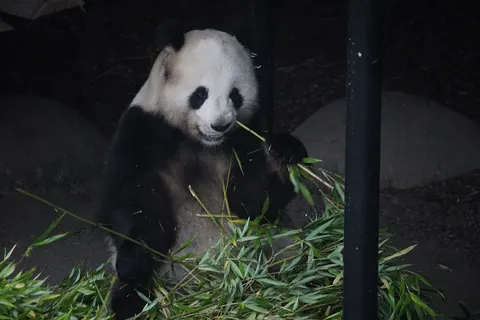
Ailuropoda melanoleuca
The giant panda is a bamboo-specialist bear of Chinese mountain forests. Its familiar black-and-white appearance conceals an unusual feeding strategy: a member …
 Framed for display
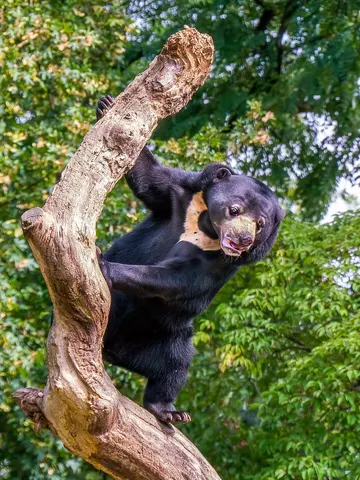
Helarctos malayanus
The sun bear is a small tropical forest bear of Southeast Asia. Curved claws, climbing ability and a long mobile tongue help …
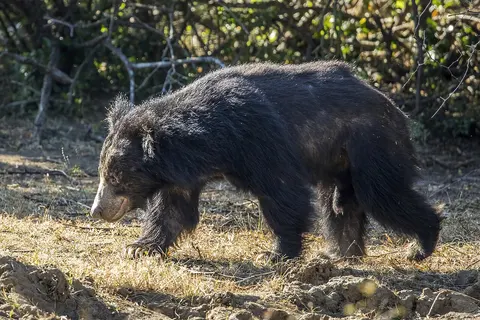 Framed for display
Melursus ursinus
The sloth bear is an insect-feeding specialist of the Indian subcontinent. Despite its name it is a bear, not a sloth, and …
Evidence
Connected life
No reviewed ecological connections in the collection yet.
Explore network ↗