 Living Beings

 Framed for display
Species · Ursus
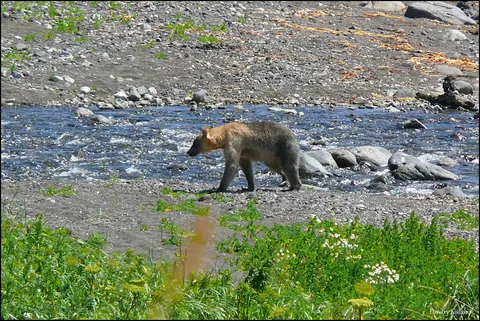
Brown Bear
Ursus arctos
Brown bears are large omnivores with a prominent shoulder hump and powerful forelimbs. Their diets and seasonal routines change with the foods …
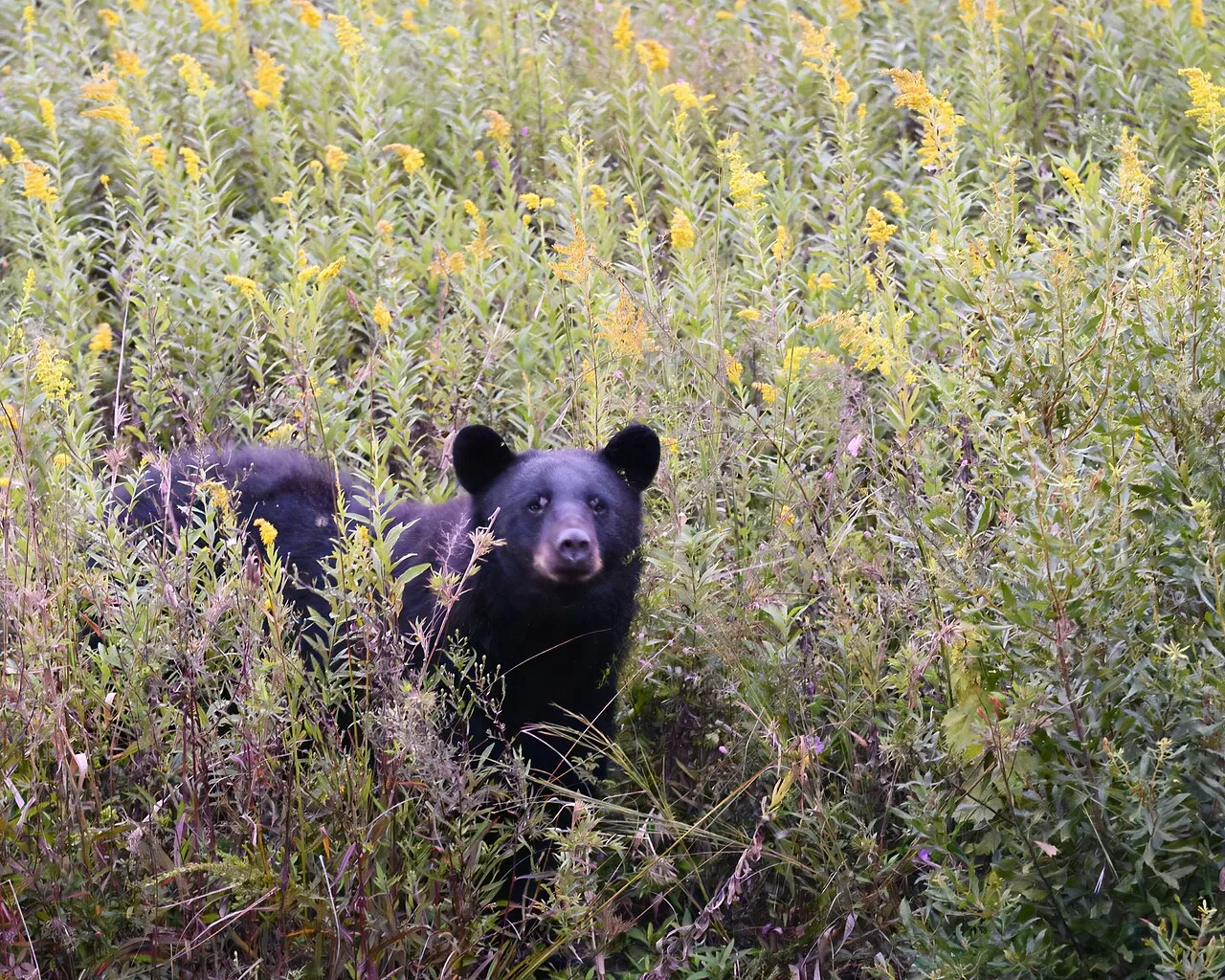
Black bear alligator river nwr 10.4.24 DSC 0063-topaz-rawdenoise.jpg · Resized and converted to WebP for display. AI-generated illustration. lwolfartist · CC BY 2.0
Field guide · species
Ursus americanus
The American black bear is a forest-associated North American omnivore whose coat is not always black. Seasonal changes in food strongly shape its movements, feeding and accumulation of energy reserves.
Public research profile · final editorial review pending.
Complete source lineage, including intermediate ranks. The standard view uses Life and the eight principal ranks.
Black coats are common, but brown and other color forms occur. A relatively pale muzzle and the absence of the brown bear’s prominent shoulder hump can help identification.
Forests with cover and diverse food sources are important, although the species uses a broad range of wooded and adjoining habitats.
Leaves and other plant growth, fruits, nuts, insects and animal foods contribute in different seasons. Human food can alter natural foraging and create avoidable conflict.
Black bears climb well and often forage alone. Activity can shift with season and disturbance, so a single daytime or nighttime label does not describe every population.
Females give birth to dependent cubs in winter dens. Cubs remain with their mothers while learning to find food and negotiate the landscape.
The Mammal Diversity Database v2.5 records this species in Canada, Mexico, United States.
Shared classification
Framed for display
Ursus arctos
Brown bears are large omnivores with a prominent shoulder hump and powerful forelimbs. Their diets and seasonal routines change with the foods …
 Framed for display
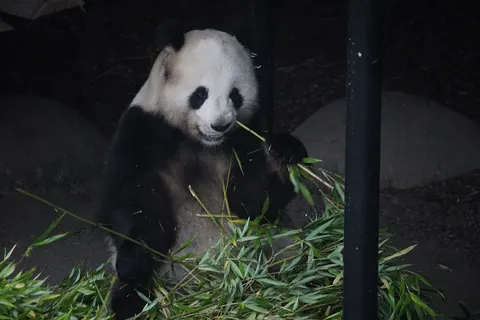
Ailuropoda melanoleuca
The giant panda is a bamboo-specialist bear of Chinese mountain forests. Its familiar black-and-white appearance conceals an unusual feeding strategy: a member …
 Framed for display
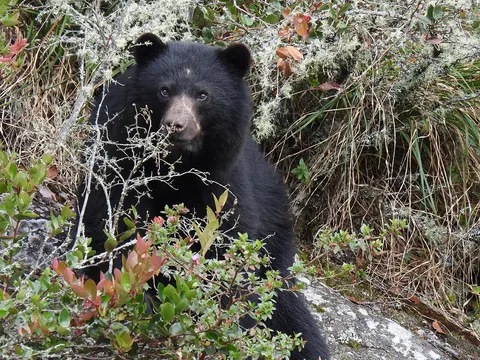
Tremarctos ornatus
The Andean bear, also called the spectacled bear, is the living bear native to South America. It connects forests and high mountain …
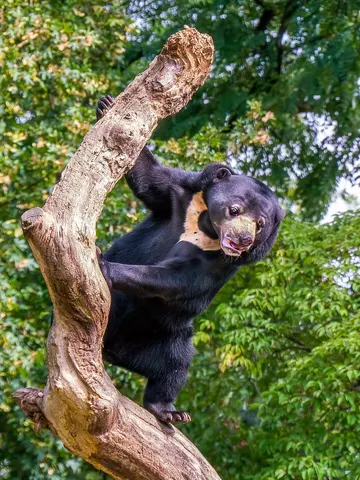 Framed for display
Helarctos malayanus
The sun bear is a small tropical forest bear of Southeast Asia. Curved claws, climbing ability and a long mobile tongue help …
Evidence
Connected life
No reviewed ecological connections in the collection yet.
Explore network ↗