 Living Beings
Compare species
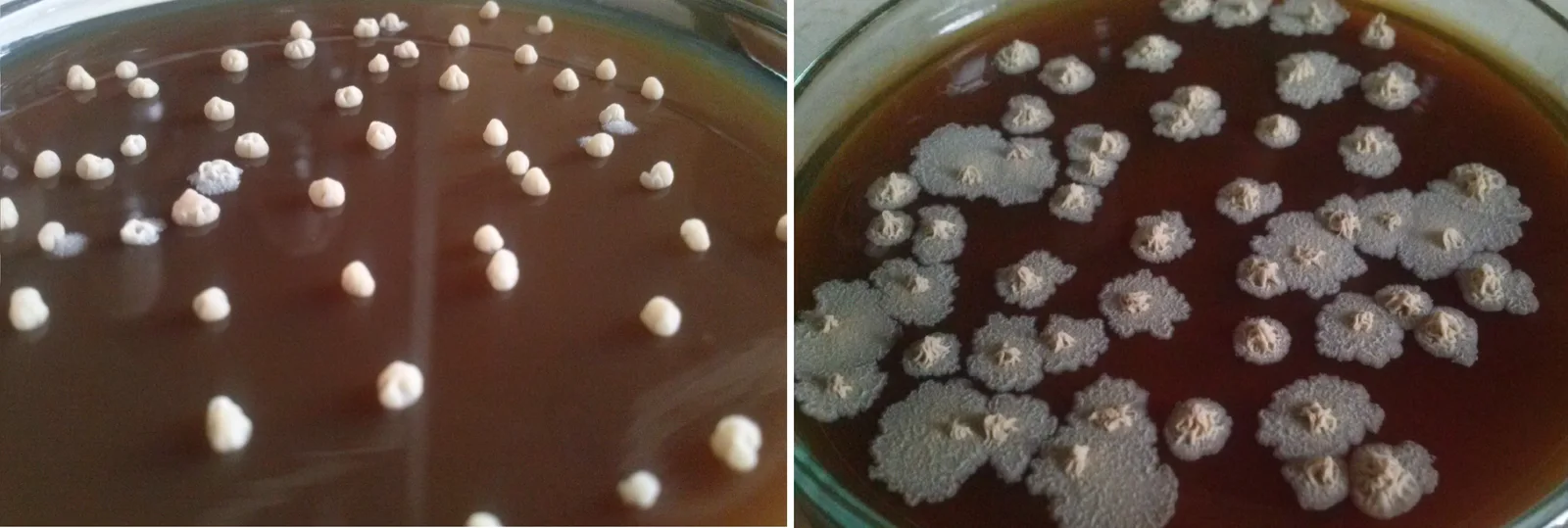
Bacillus subtilis
Bacillus subtilis
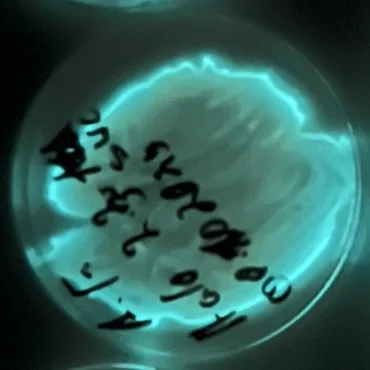
Aliivibrio fischeri
Aliivibrio fischeri
Evidence from the profiles
Compare their characteristics
| Trait | Bacillus subtilis | Aliivibrio fischeri |
|---|---|---|
| Physical traits | Vegetative cells are rods that may occur in chains. An endospore is a differentiated structure formed within a cell. | Small bacterial cells require microscopy for direct observation. Light emission is a physiological property, not a visible body-color diagnosis. |
| Habitat and range | Soil-associated and plant-associated environments provide changing supplies of organic nutrients. Laboratory strains allow these responses to be studied in controlled conditions. | Marine environmental phases and specialized host-associated sites provide distinct growth conditions. |
| Diet and nutrition | Organic compounds support growth, and secreted enzymes help make substrate resources available. | Organic substrates support metabolism. Conditions inside a host can differ substantially from those in surrounding seawater. |
| Behavior and activity | Populations can develop distinct physiological states as conditions change. Nutrient limitation can initiate sporulation. | Chemical signaling and population context influence light production and other behaviors relevant to colonization. |
| Reproduction and life cycle | Growing vegetative cells can differentiate into resistant endospores. A growth-and-sporulation study found that cells differ in their probability and timing of entering that process. Sporulation is not an immediate population-wide switch, and one cell producing an endospore is a survival transition rather than an increase in cell number. | Cell multiplication and repeated opportunities for host colonization connect free-living and symbiotic phases. |
| Geographic distribution | Isolates and research cultures occur internationally. Strain provenance is more precise than a claim that every soil contains this species. | Environmental and host-derived strains have documented collection localities. The origin of one experimental strain does not define the full range. |
| Ecological role | Growth on organic material and interactions near plants place the bacterium within complex soil communities. | The well-studied squid association demonstrates a microbial contribution to an animal's light-producing system. |
| Distinctive adaptations | Endospore formation separates survival through adverse conditions from rapid vegetative multiplication. | Bioluminescence, environmental sensing and colonization traits help explain the model symbiosis. |
Classification
Shared ancestry
Closest shared taxon: Bacteria.