 Living Beings
Compare species
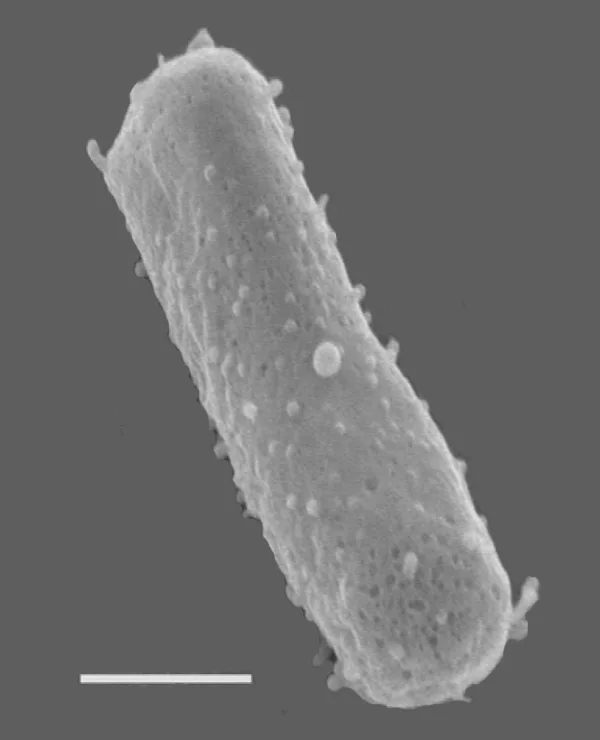
Halobacterium salinarum
Halobacterium salinarum
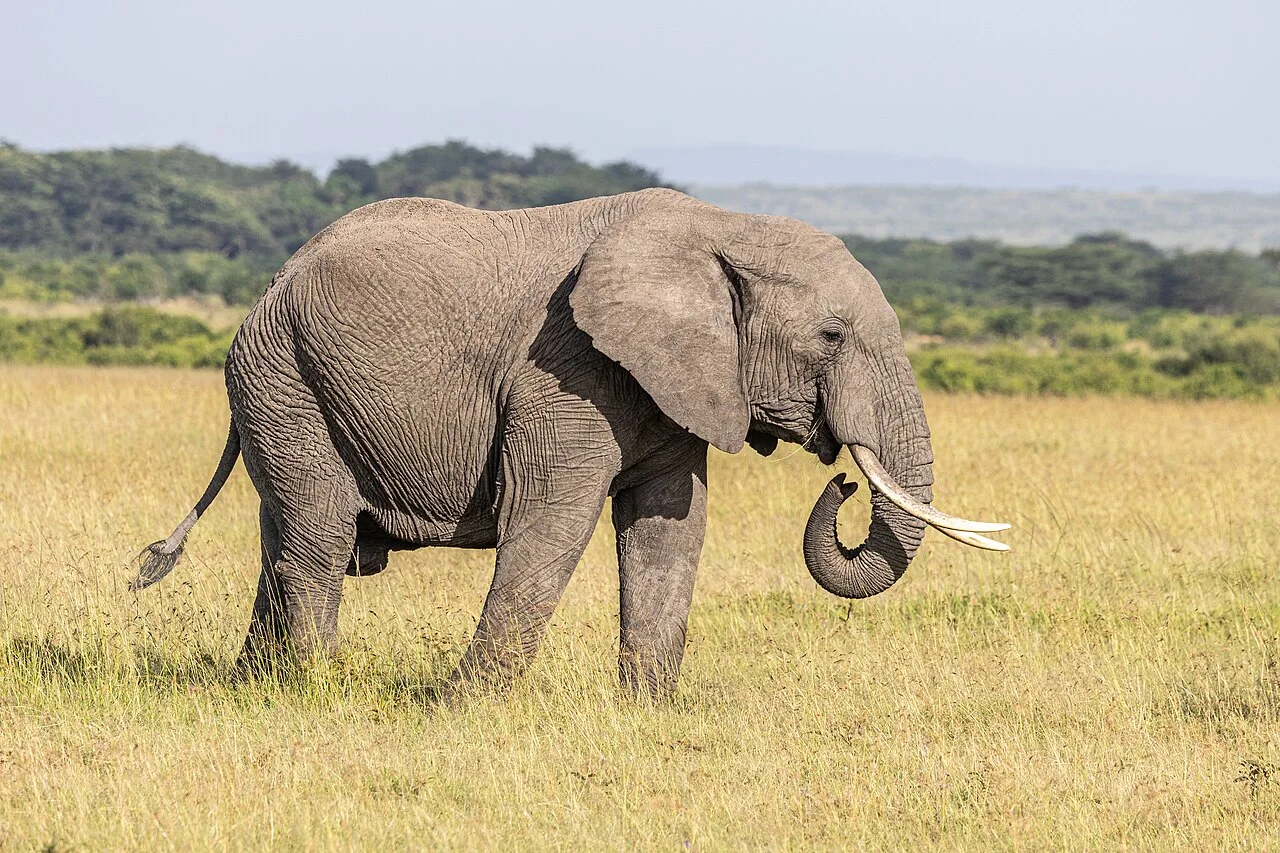
African Savanna Elephant
Loxodonta africana
Evidence from the profiles
Compare their characteristics
| Trait | Halobacterium salinarum | African Savanna Elephant |
|---|---|---|
| Physical traits | Cells are typically rod-shaped, and pigmented cultures can appear red or pink. Neither color nor salty habitat alone establishes species identity. | Broad ears, a long trunk and column-like legs give the animal its familiar outline. The trunk tip has two finger-like projections. Both sexes can develop tusks. |
| Habitat and range | Highly saline environments provide the conditions associated with this halophilic archaeon. | Savannas and open woodland provide a shifting mixture of browse, grass, shade and drinking water. Seasonal water availability influences the places that herds use. |
| Diet and nutrition | Organic nutrients support metabolism. In studied strains, bacteriorhodopsin can use light to drive a proton gradient without chlorophyll-based photosynthesis. | Grasses, leaves, bark and other plant material make up its diet. The trunk gathers food and moves it to the mouth. |
| Behavior and activity | Sensory and signal-transduction systems allow responses to environmental cues, including light. | Female relatives and their young form long-lasting social groups. Older females hold knowledge of familiar routes and resources; adult males have a different pattern of association. |
| Reproduction and life cycle | Cells grow and divide under suitable salt and nutrient conditions. Research strains are maintained as defined lineages for genetic comparison. | Calves are born alive and depend on milk and extended social care. Learning from other elephants is an important part of growing up. |
| Geographic distribution | Authenticated isolates document occurrence in salt-associated environments. The NRC-1 genome describes a particular strain, not all organisms in a salt pond. | Native to sub-Saharan Africa. This account follows the savanna-elephant species concept rather than treating all African elephants as one species. |
| Ecological role | The organism is part of specialized hypersaline microbial communities rather than evidence that every archaeon requires extreme conditions. | Feeding and movement alter vegetation, and dung transfers seeds and nutrients. Habitat fragmentation and killing for ivory threaten populations. |
| Distinctive adaptations | The NRC-1 genome contains systems for potassium uptake and sodium-proton exchange, as well as photosensory signaling. These findings connect salt adaptation with controlled ion movement across the membrane. Its surface resemblance to some bacteria does not change the archaeal ancestry demonstrated by its cellular and genetic machinery. | Data unavailable |
Classification
Shared ancestry
Closest shared taxon: cellular organisms.