 Living Beings
Compare species
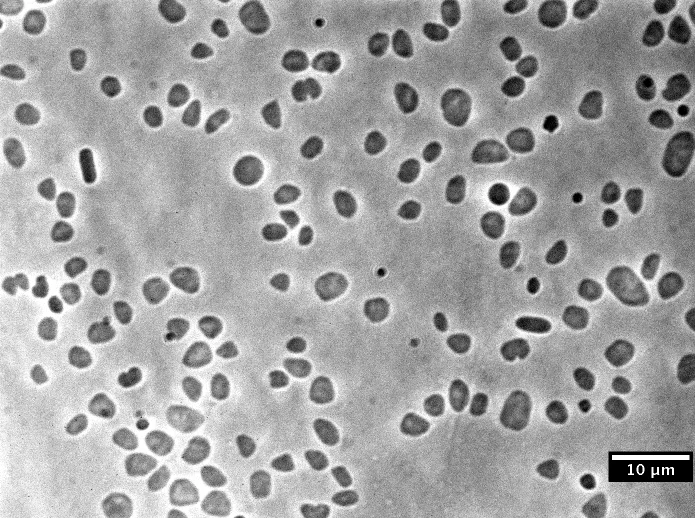
Haloferax volcanii
Haloferax volcanii
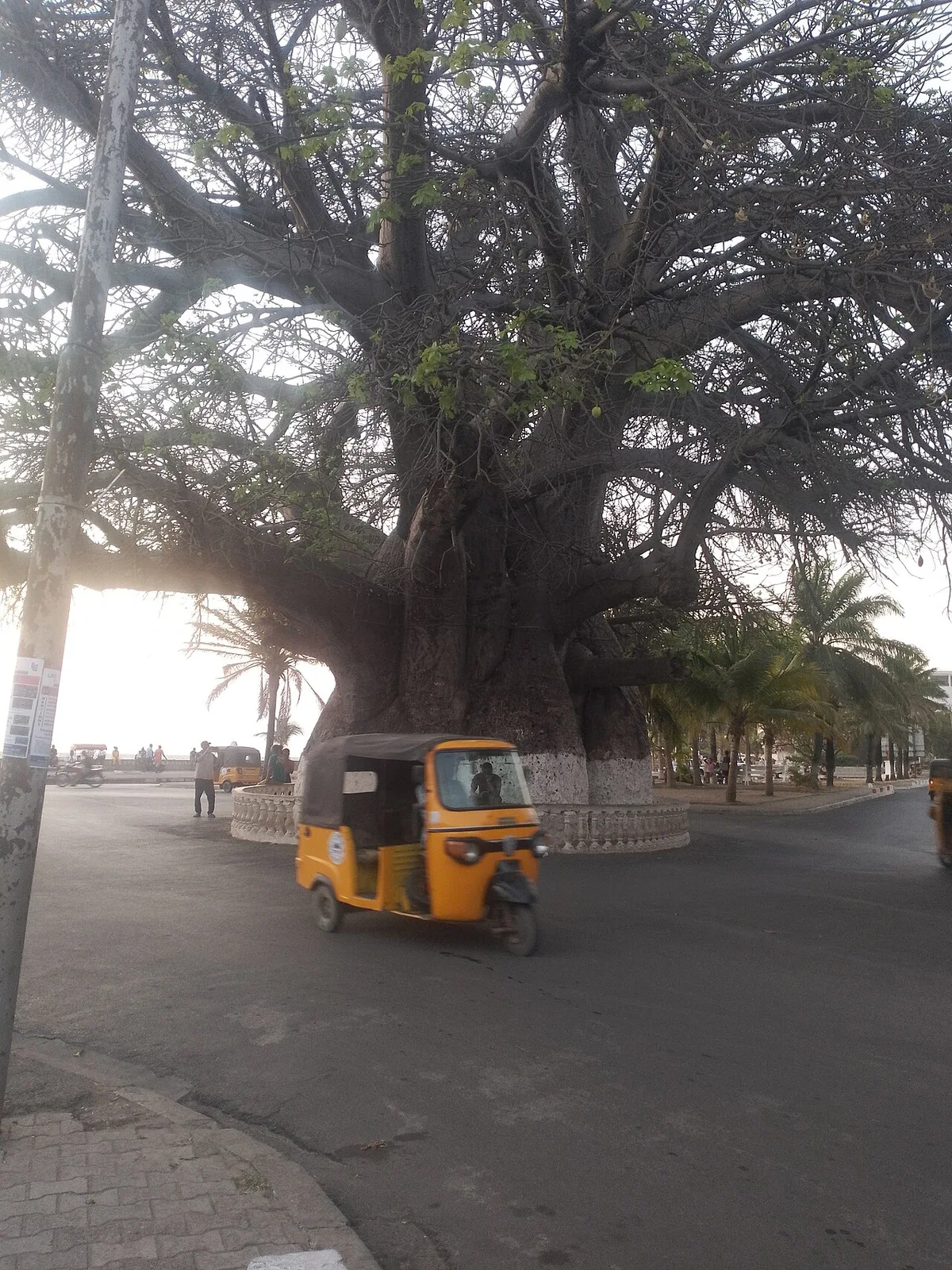
African Baobab
Adansonia digitata
Evidence from the profiles
Compare their characteristics
| Trait | Haloferax volcanii | African Baobab |
|---|---|---|
| Physical traits | Cells require microscopy for observation. The sequenced type strain DS2 carries a main chromosome, three smaller chromosomes and a plasmid. Those DNA elements are not membrane-bound nuclei. Their organization helps explain why studying an archaeon involves more than treating it as a small version of a familiar bacterium. | Thick, fibrous bark surrounds a broad trunk. Each compound leaf has several leaflets radiating from a central point. |
| Habitat and range | Saline environments and appropriately salt-rich culture media support growth. | A terrestrial tree of tropical Africa, it is adapted to seasonally dry conditions and is also planted in gardens and settlements. |
| Diet and nutrition | Organic nutrients can support growth in simple defined media. Salt balance is a physiological requirement rather than a food source. | Leaves produce sugars through photosynthesis. Water and mineral nutrients are taken up through the roots. |
| Behavior and activity | Cellular responses to salt and available resources are studied using a developed genetic toolkit. | Data unavailable |
| Reproduction and life cycle | Cells multiply through division. Experiments can follow inherited genetic changes through successive generations of a culture. | Large, hanging white flowers develop into capsules containing seeds embedded in pale, powdery pulp. New trees can be grown from seed. |
| Geographic distribution | The type strain DS2 is a defined reference for genomic work. Worldwide use in laboratories is separate from the distribution of environmental populations. | Native to Africa and cultivated elsewhere. The accompanying photograph shows a planted specimen in Madagascar; that location should not be confused with the native range of every baobab species. |
| Ecological role | Its life in saline microbial communities provides a contrast with the marine ammonia oxidizers and gut methanogens elsewhere in Archaea. | Its flowers, fruit and extensive woody structure provide biological resources. The familiar name baobab also applies to other species, which should not be confused with this one. |
| Distinctive adaptations | Salt-adapted physiology and a multipartite genome are important features of the reference strain. | A substantial trunk and drought-resistant growth form help distinguish this tree from many humid-forest trees. |
Classification
Shared ancestry
Closest shared taxon: cellular organisms.