 Living Beings
Compare species
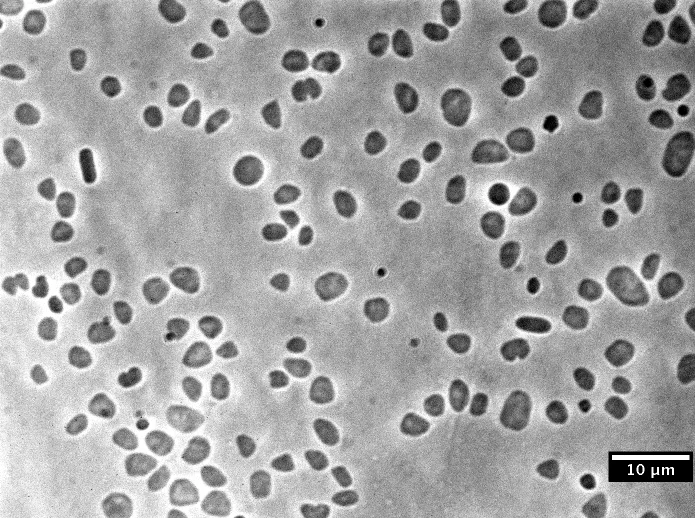
Haloferax volcanii
Haloferax volcanii
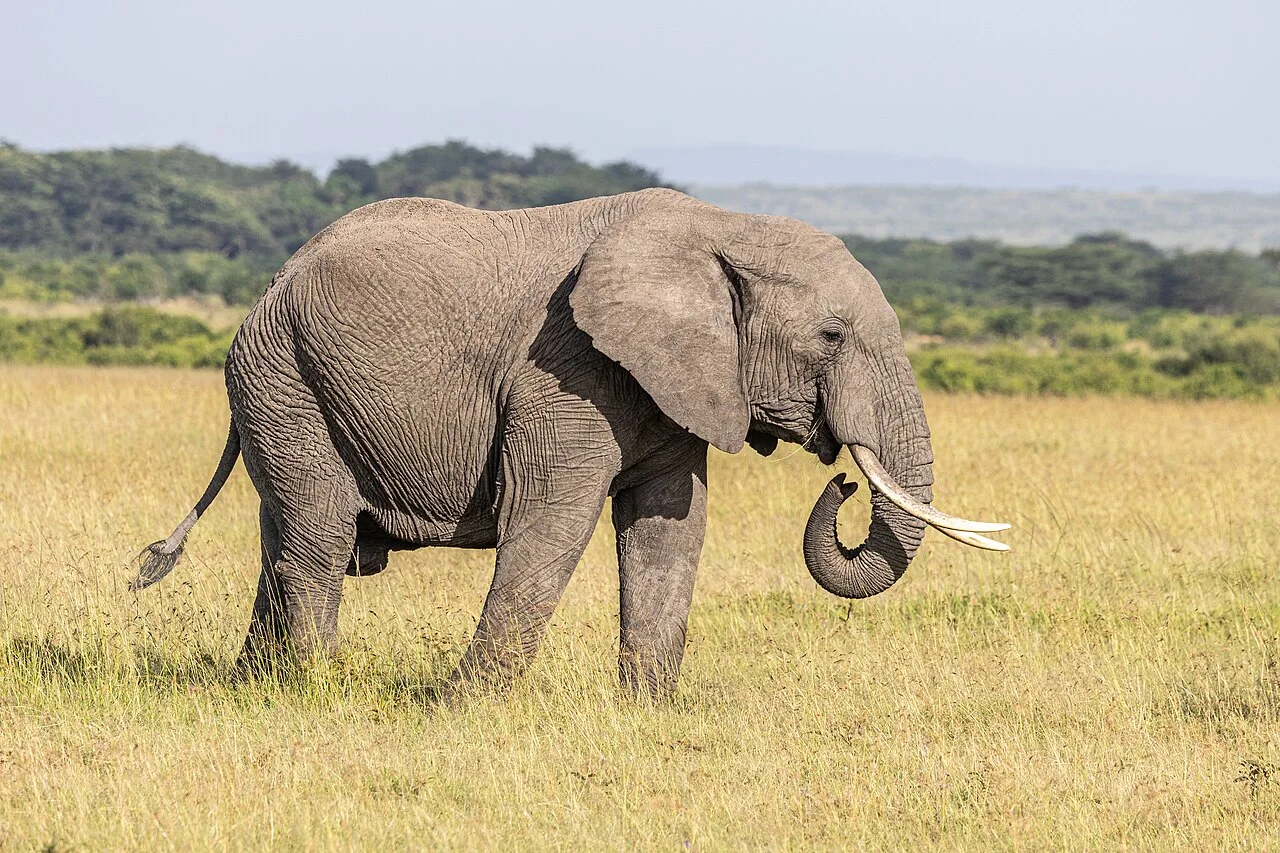
African Savanna Elephant
Loxodonta africana
Evidence from the profiles
Compare their characteristics
| Trait | Haloferax volcanii | African Savanna Elephant |
|---|---|---|
| Physical traits | Cells require microscopy for observation. The sequenced type strain DS2 carries a main chromosome, three smaller chromosomes and a plasmid. Those DNA elements are not membrane-bound nuclei. Their organization helps explain why studying an archaeon involves more than treating it as a small version of a familiar bacterium. | Broad ears, a long trunk and column-like legs give the animal its familiar outline. The trunk tip has two finger-like projections. Both sexes can develop tusks. |
| Habitat and range | Saline environments and appropriately salt-rich culture media support growth. | Savannas and open woodland provide a shifting mixture of browse, grass, shade and drinking water. Seasonal water availability influences the places that herds use. |
| Diet and nutrition | Organic nutrients can support growth in simple defined media. Salt balance is a physiological requirement rather than a food source. | Grasses, leaves, bark and other plant material make up its diet. The trunk gathers food and moves it to the mouth. |
| Behavior and activity | Cellular responses to salt and available resources are studied using a developed genetic toolkit. | Female relatives and their young form long-lasting social groups. Older females hold knowledge of familiar routes and resources; adult males have a different pattern of association. |
| Reproduction and life cycle | Cells multiply through division. Experiments can follow inherited genetic changes through successive generations of a culture. | Calves are born alive and depend on milk and extended social care. Learning from other elephants is an important part of growing up. |
| Geographic distribution | The type strain DS2 is a defined reference for genomic work. Worldwide use in laboratories is separate from the distribution of environmental populations. | Native to sub-Saharan Africa. This account follows the savanna-elephant species concept rather than treating all African elephants as one species. |
| Ecological role | Its life in saline microbial communities provides a contrast with the marine ammonia oxidizers and gut methanogens elsewhere in Archaea. | Feeding and movement alter vegetation, and dung transfers seeds and nutrients. Habitat fragmentation and killing for ivory threaten populations. |
| Distinctive adaptations | Salt-adapted physiology and a multipartite genome are important features of the reference strain. | Data unavailable |
Classification
Shared ancestry
Closest shared taxon: cellular organisms.