 Living Beings
Compare species
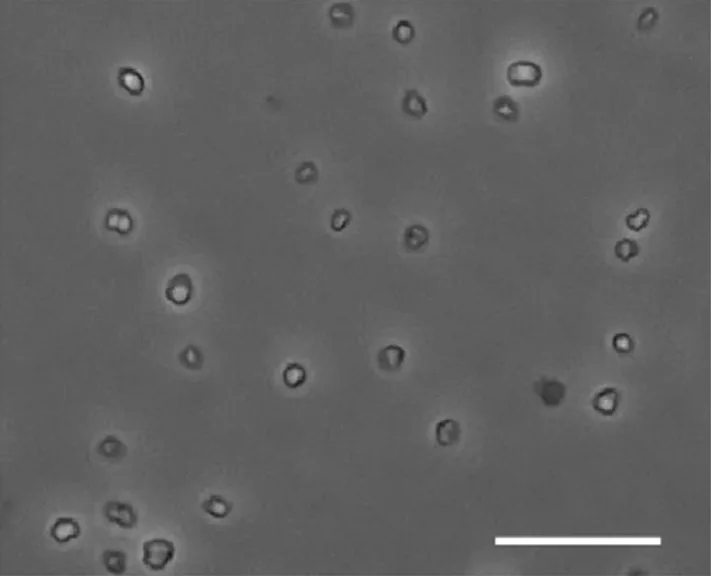
Methanocaldococcus jannaschii
Methanocaldococcus jannaschii
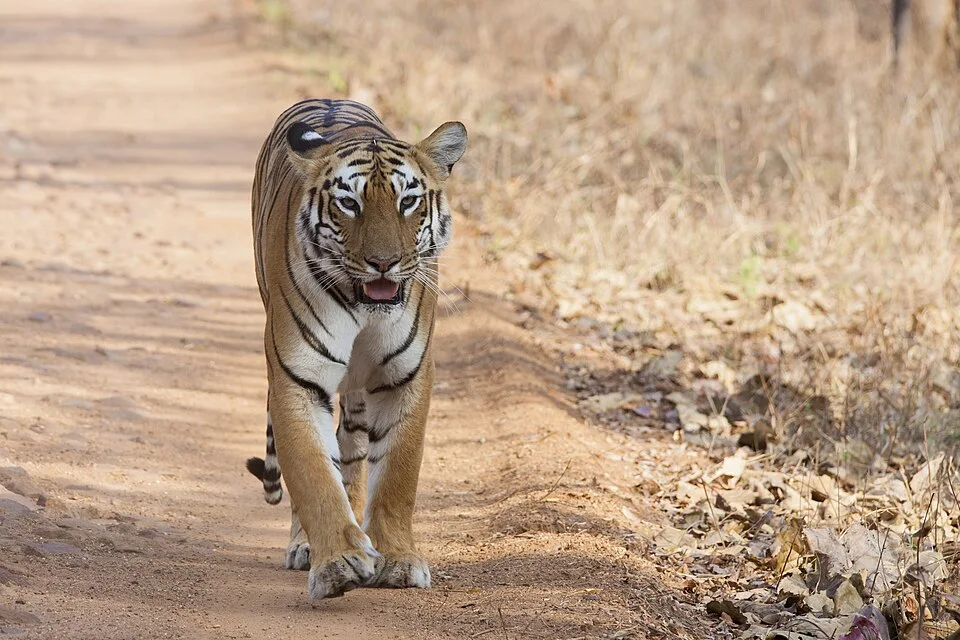
Tiger
Panthera tigris
Evidence from the profiles
Compare their characteristics
| Trait | Methanocaldococcus jannaschii | Tiger |
|---|---|---|
| Nutrition | Data unavailable | Carnivorous Source ↗ |
| Social organization | Not applicable | Generally solitary Source ↗ |
| Physical traits | Cells are microscopic and roughly spherical. The accompanying light micrograph shows cultured cells; their simple outline conceals specialized cellular chemistry. | Dark stripes break up the tiger’s outline. Stripe patterns vary from one individual to another. |
| Habitat and range | Hot, oxygen-poor conditions associated with seafloor hydrothermal systems provide the setting of the original isolate. | Tigers live in varied habitats, including tropical forests, mangrove swamps and temperate forest. |
| Diet and nutrition | Hydrogen supplies reducing power and carbon dioxide supplies carbon in its methane-producing metabolism. This is a chemical-energy strategy rather than photosynthesis. | Tigers mainly hunt large mammals, including deer and wild pigs. |
| Behavior and activity | Growth and metabolism are adapted to high-temperature culture conditions. Laboratory experiments examine how metals and sulfide influence survival. | A tiger usually hunts by stalking its prey and attacking at close range. |
| Geographic distribution | The original description concerns a hydrothermal-vent isolate. It should not be treated as a complete survey of the species’ global range. | Data unavailable |
| Ecological role | Methanogenesis links this archaeon to carbon cycling in environments without oxygen. | Data unavailable |
| Distinctive adaptations | Experiments show that surrounding sulfide can influence metal toxicity. Survival therefore depends on environmental chemistry as well as temperature. | Data unavailable |
Classification
Shared ancestry
Closest shared taxon: cellular organisms.