 Living Beings
Compare species
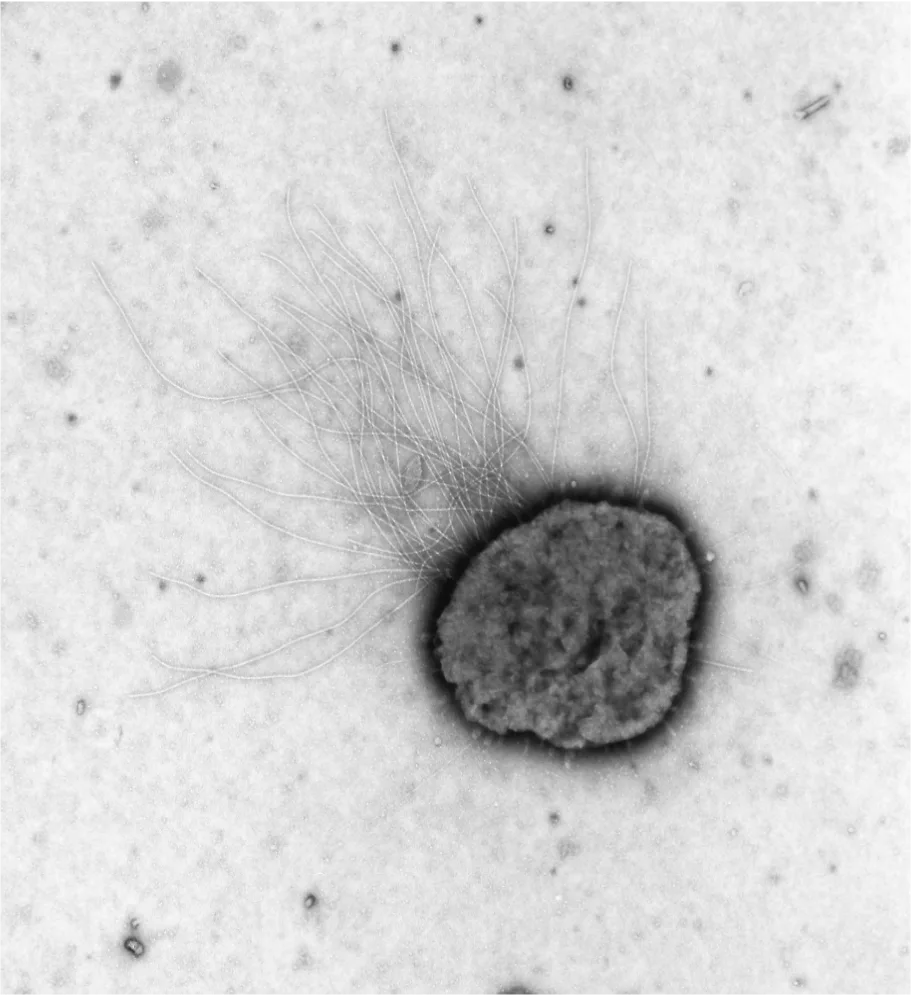
Methanococcus maripaludis
Methanococcus maripaludis
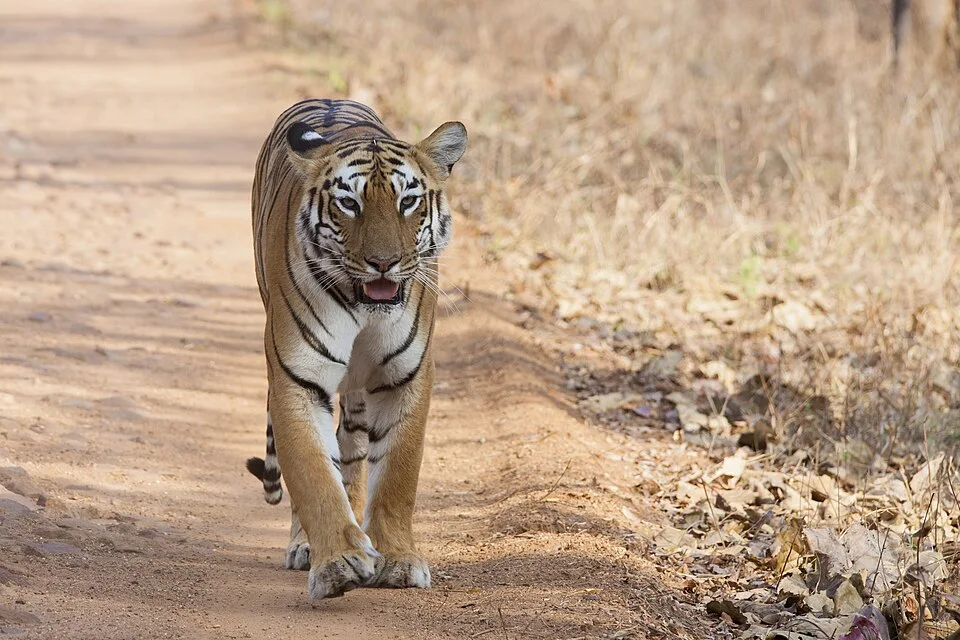
Tiger
Panthera tigris
Evidence from the profiles
Compare their characteristics
| Trait | Methanococcus maripaludis | Tiger |
|---|---|---|
| Nutrition | Data unavailable | Carnivorous Source ↗ |
| Social organization | Not applicable | Generally solitary Source ↗ |
| Physical traits | The electron micrograph shows a small, roughly rounded cell with surface appendages. A micrograph reveals cell structure rather than a visible animal-like body. | Dark stripes break up the tiger’s outline. Stripe patterns vary from one individual to another. |
| Habitat and range | The original species was isolated from salt-marsh sediment. Culture-collection records identify a South Carolina coastal source. | Tigers live in varied habitats, including tropical forests, mangrove swamps and temperate forest. |
| Diet and nutrition | Laboratory cultures can grow with carbon dioxide and hydrogen or with formate. Methane production is a central feature of the metabolism. | Tigers mainly hunt large mammals, including deer and wild pigs. |
| Behavior and activity | Genetic experiments use its own DNA-repair machinery to alter genes. These experiments distinguish an engineered laboratory strain from a wild population. | A tiger usually hunts by stalking its prey and attacking at close range. |
| Geographic distribution | The documented isolation site is evidence of occurrence, not a complete geographic range map. | Data unavailable |
| Ecological role | Methanogenesis contributes to carbon transformations in environments where oxygen is absent. | Data unavailable |
| Distinctive adaptations | Multiple genome copies and experimentally accessible genetics make it valuable for studying archaea. Its domain assignment must not be replaced with a bacterial kingdom label. | Data unavailable |
Classification
Shared ancestry
Closest shared taxon: cellular organisms.