 Living Beings
Compare species
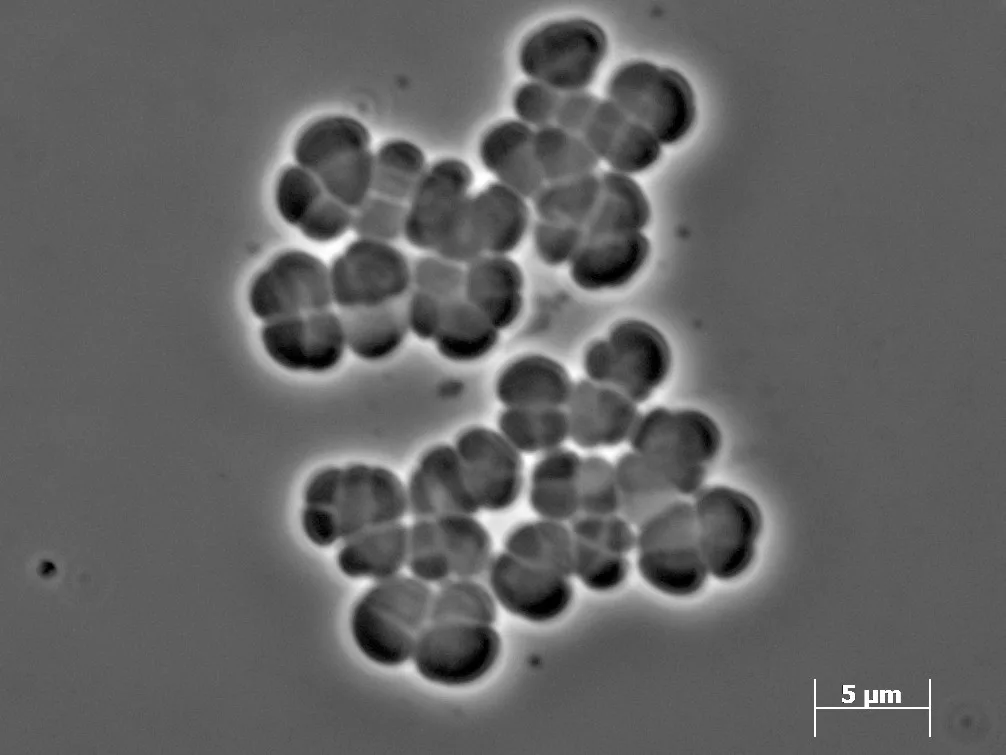
Methanosarcina barkeri
Methanosarcina barkeri
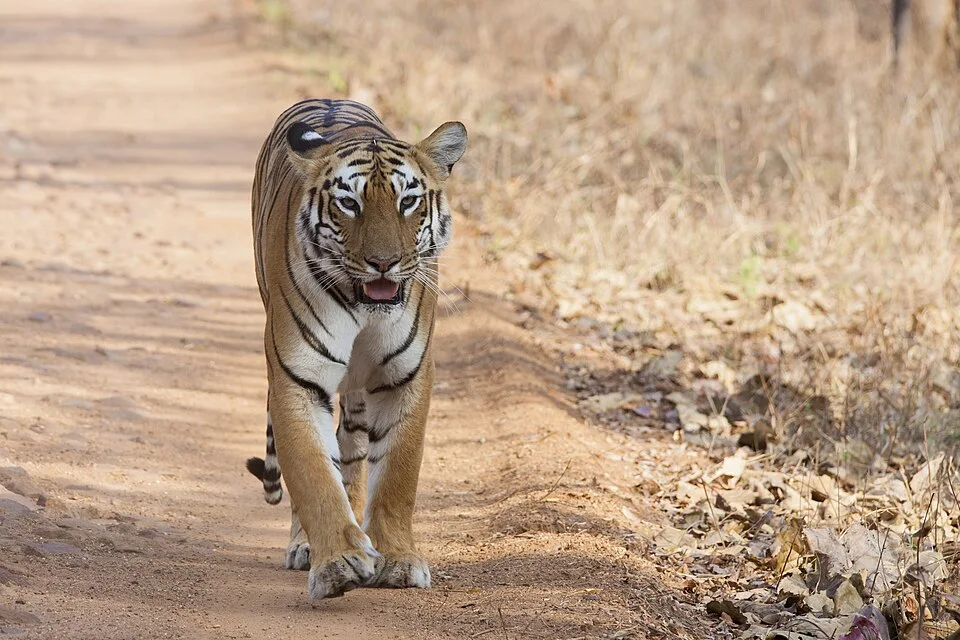
Tiger
Panthera tigris
Evidence from the profiles
Compare their characteristics
| Trait | Methanosarcina barkeri | Tiger |
|---|---|---|
| Nutrition | Data unavailable | Carnivorous Source ↗ |
| Social organization | Not applicable | Generally solitary Source ↗ |
| Physical traits | Rounded cells may occur in packets or aggregates. Growth conditions and strain identity influence cell-surface organization. | Dark stripes break up the tiger’s outline. Stripe patterns vary from one individual to another. |
| Habitat and range | Oxygen-poor sediments and anaerobic digesters are documented habitats. A rumen-derived strain has also been characterized. | Tigers live in varied habitats, including tropical forests, mangrove swamps and temperate forest. |
| Diet and nutrition | Culture studies demonstrate growth with acetate, methanol or carbon dioxide under the appropriate experimental conditions. Substrate combinations, hydrogen availability and changes in medium acidity influence methanogenesis. A list of usable carbon sources therefore does not mean that each substrate supplies an identical or independent route to energy. | Tigers mainly hunt large mammals, including deer and wild pigs. |
| Behavior and activity | Aggregation changes contact with the surrounding medium and with neighboring cells. | A tiger usually hunts by stalking its prey and attacking at close range. |
| Reproduction and life cycle | Cell division within growing populations can maintain or expand aggregates. These packets are not multicellular animals or fungal fruiting bodies. | Data unavailable |
| Geographic distribution | Strain CM1 came from a ruminant setting, while other documented strains originate from sediments or digesters; these are distinct occurrence records. | Data unavailable |
| Ecological role | Methanogenesis is a terminal process in anaerobic carbon breakdown and contributes methane to natural and managed systems. | Data unavailable |
| Distinctive adaptations | Multiple methanogenic pathways allow use of contrasting substrate supplies. | Data unavailable |
Classification
Shared ancestry
Closest shared taxon: cellular organisms.