 Living Beings
Compare species
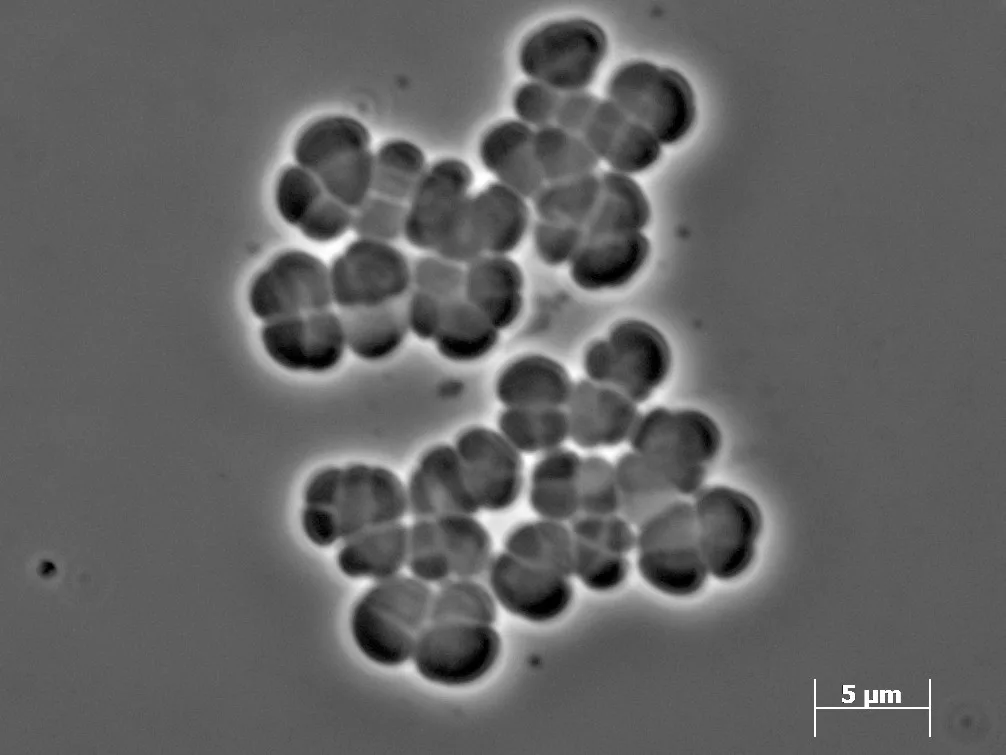
Methanosarcina barkeri
Methanosarcina barkeri
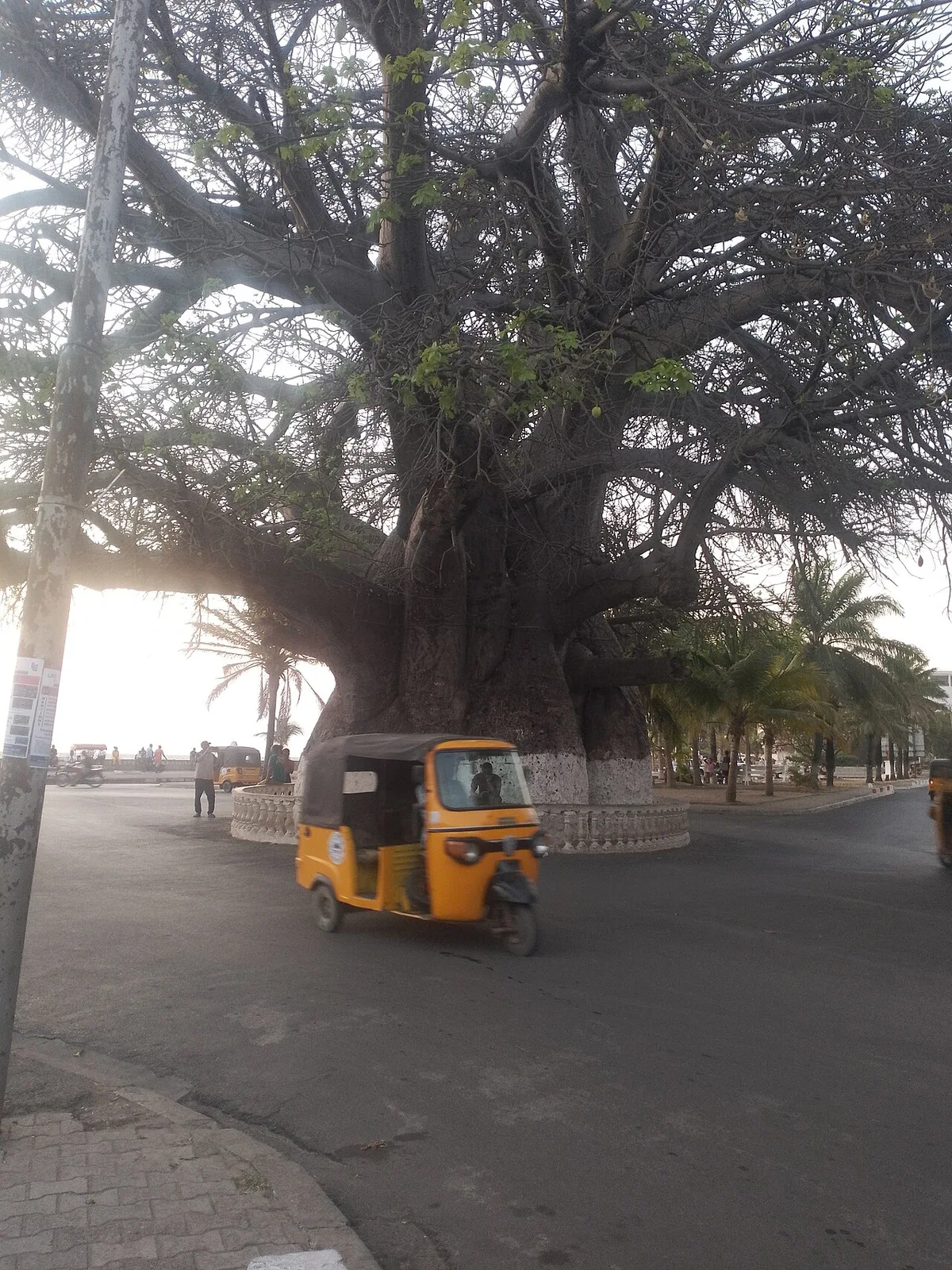
African Baobab
Adansonia digitata
Evidence from the profiles
Compare their characteristics
| Trait | Methanosarcina barkeri | African Baobab |
|---|---|---|
| Physical traits | Rounded cells may occur in packets or aggregates. Growth conditions and strain identity influence cell-surface organization. | Thick, fibrous bark surrounds a broad trunk. Each compound leaf has several leaflets radiating from a central point. |
| Habitat and range | Oxygen-poor sediments and anaerobic digesters are documented habitats. A rumen-derived strain has also been characterized. | A terrestrial tree of tropical Africa, it is adapted to seasonally dry conditions and is also planted in gardens and settlements. |
| Diet and nutrition | Culture studies demonstrate growth with acetate, methanol or carbon dioxide under the appropriate experimental conditions. Substrate combinations, hydrogen availability and changes in medium acidity influence methanogenesis. A list of usable carbon sources therefore does not mean that each substrate supplies an identical or independent route to energy. | Leaves produce sugars through photosynthesis. Water and mineral nutrients are taken up through the roots. |
| Behavior and activity | Aggregation changes contact with the surrounding medium and with neighboring cells. | Data unavailable |
| Reproduction and life cycle | Cell division within growing populations can maintain or expand aggregates. These packets are not multicellular animals or fungal fruiting bodies. | Large, hanging white flowers develop into capsules containing seeds embedded in pale, powdery pulp. New trees can be grown from seed. |
| Geographic distribution | Strain CM1 came from a ruminant setting, while other documented strains originate from sediments or digesters; these are distinct occurrence records. | Native to Africa and cultivated elsewhere. The accompanying photograph shows a planted specimen in Madagascar; that location should not be confused with the native range of every baobab species. |
| Ecological role | Methanogenesis is a terminal process in anaerobic carbon breakdown and contributes methane to natural and managed systems. | Its flowers, fruit and extensive woody structure provide biological resources. The familiar name baobab also applies to other species, which should not be confused with this one. |
| Distinctive adaptations | Multiple methanogenic pathways allow use of contrasting substrate supplies. | A substantial trunk and drought-resistant growth form help distinguish this tree from many humid-forest trees. |
Classification
Shared ancestry
Closest shared taxon: cellular organisms.