 Living Beings
Compare species
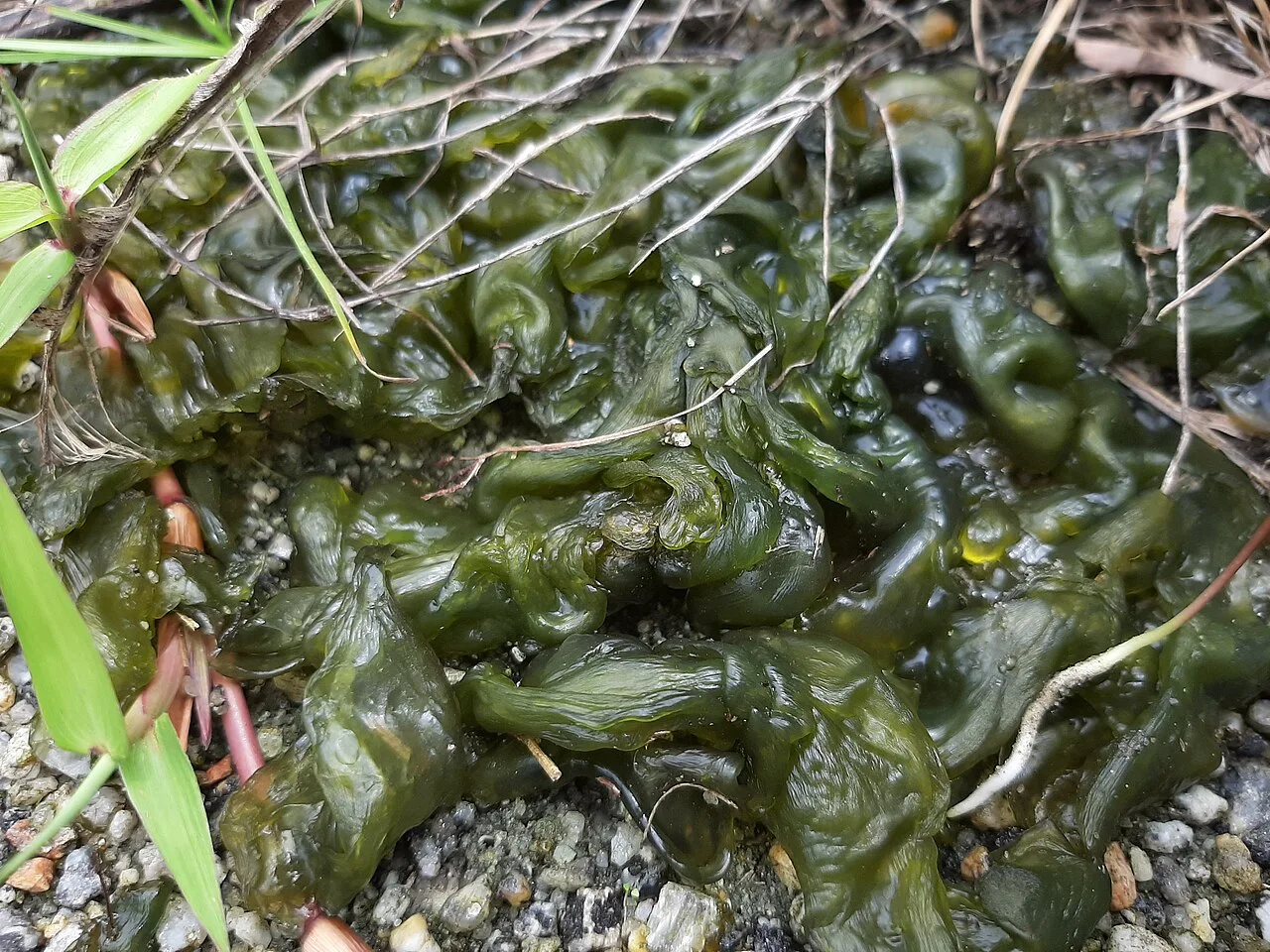
Nostoc commune
Nostoc commune
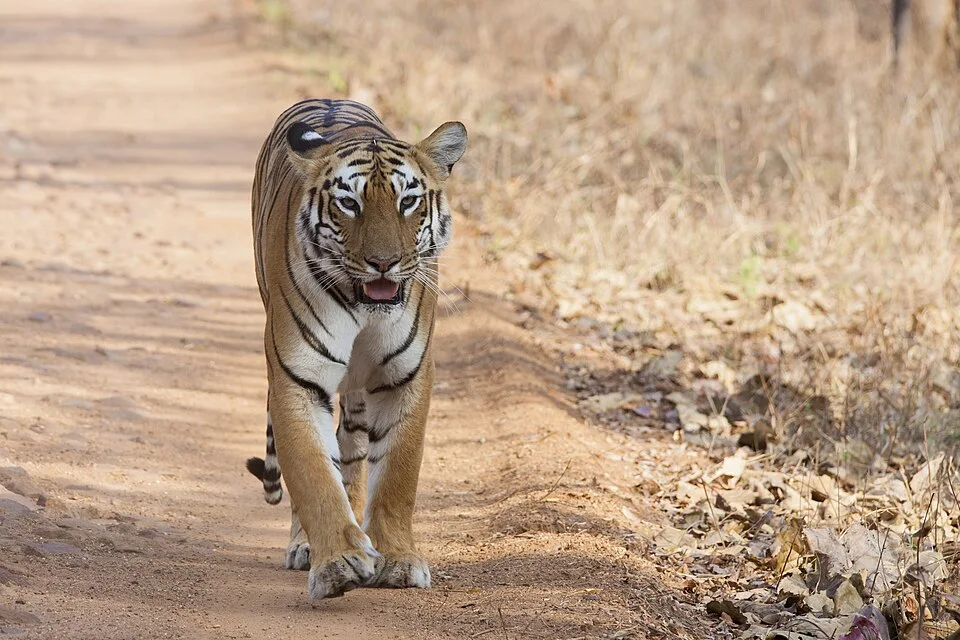
Tiger
Panthera tigris
Evidence from the profiles
Compare their characteristics
| Trait | Nostoc commune | Tiger |
|---|---|---|
| Nutrition | Data unavailable | Carnivorous Source ↗ |
| Social organization | Not applicable | Generally solitary Source ↗ |
| Physical traits | The visible jelly-like mass is a colony containing many microscopic cells embedded in extracellular material. A colony is not a single large cell. | Dark stripes break up the tiger’s outline. Stripe patterns vary from one individual to another. |
| Habitat and range | Terrestrial colonies can alternate between wet and desiccated states as local conditions change. | Tigers live in varied habitats, including tropical forests, mangrove swamps and temperate forest. |
| Diet and nutrition | Photosynthesis captures light energy. Laboratory measurements track oxygen production as one sign that photosynthetic activity has recovered after rehydration. | Tigers mainly hunt large mammals, including deer and wild pigs. |
| Behavior and activity | Dry colonies can become metabolically inactive and resume measurable activity when water returns. Recovery is not unlimited and depends on storage conditions. | A tiger usually hunts by stalking its prey and attacking at close range. |
| Reproduction and life cycle | The studied colonies persist through drying and rewetting rather than behaving like short-lived mushroom fruiting bodies. | Data unavailable |
| Ecological role | Intermittent hydration makes the species relevant to understanding photosynthetic communities on surfaces exposed to drying. | Data unavailable |
| Distinctive adaptations | Long-term storage experiments found better preservation under cold conditions than at room temperature. Such experimental survival should not be turned into a universal lifespan claim for every wild colony. | Data unavailable |
Classification
Shared ancestry
Closest shared taxon: cellular organisms.