 Living Beings
Compare species
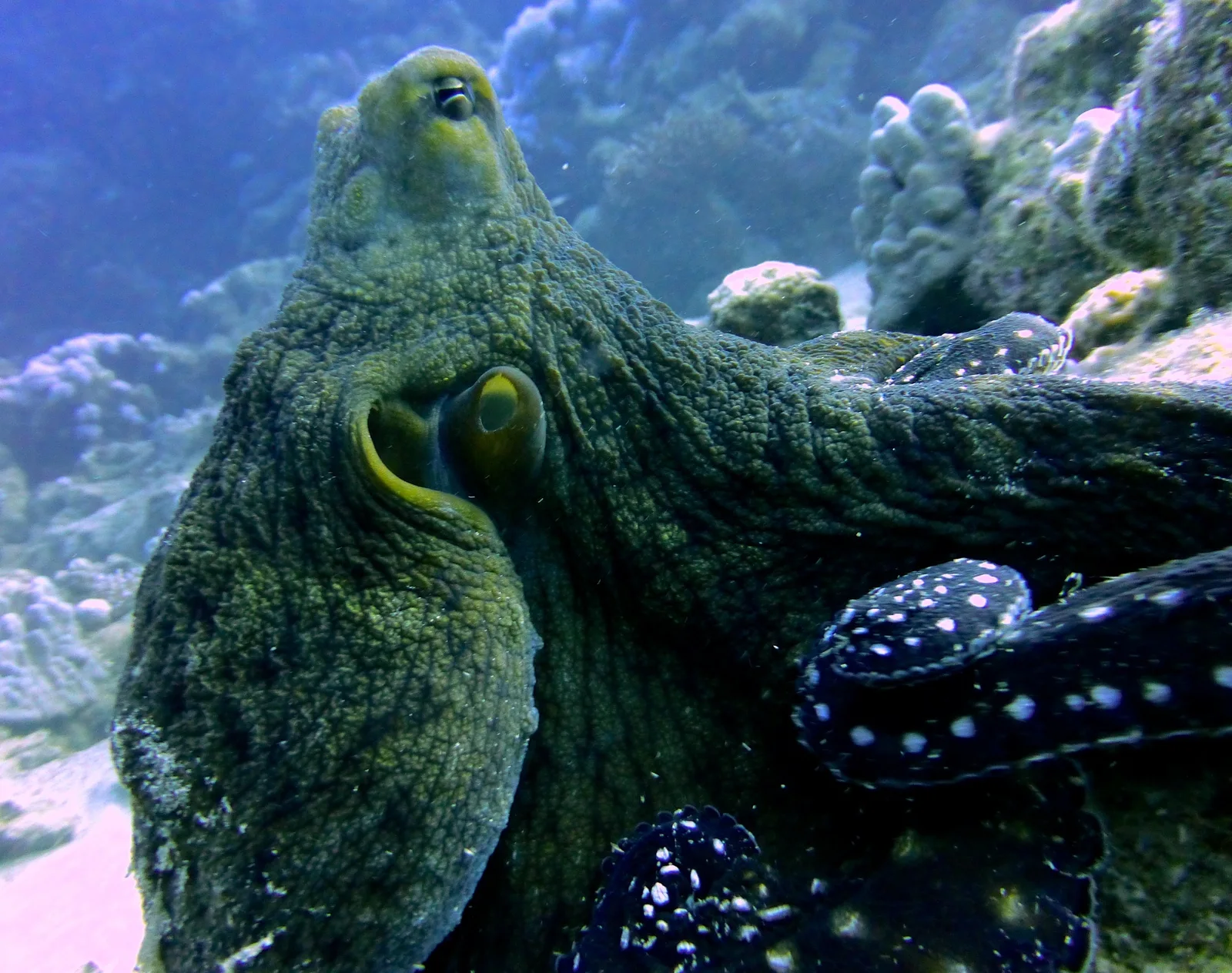
Day Octopus
Octopus cyanea
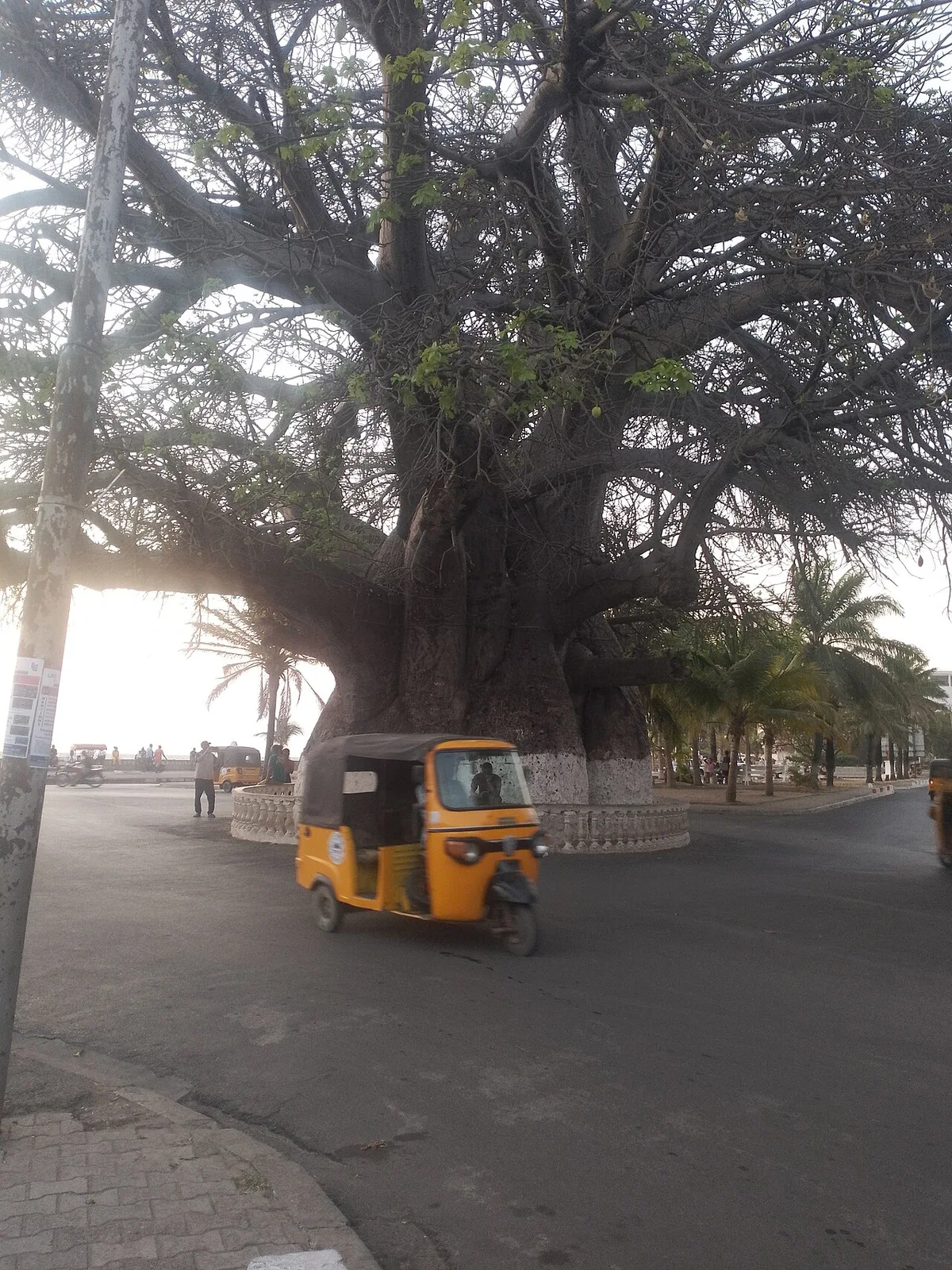
African Baobab
Adansonia digitata
Evidence from the profiles
Compare their characteristics
| Trait | Day Octopus | African Baobab |
|---|---|---|
| Physical traits | Eight flexible, sucker-bearing arms surround the mouth. Rapid changes in skin color and texture help the animal blend with complex reef surfaces. | Thick, fibrous bark surrounds a broad trunk. Each compound leaf has several leaflets radiating from a central point. |
| Habitat and range | Coral and rocky reefs offer crevices for shelter and varied surfaces over which to forage. A den can serve as a retreat between hunting excursions. | A terrestrial tree of tropical Africa, it is adapted to seasonally dry conditions and is also planted in gardens and settlements. |
| Diet and nutrition | Crustaceans, molluscs and fish are among its prey. Flexible arms explore places that a rigid-bodied predator cannot easily reach. | Leaves produce sugars through photosynthesis. Water and mineral nutrients are taken up through the roots. |
| Behavior and activity | Individuals are generally solitary. Crawling and camouflage support hunting; an ink release can help an octopus escape a threat. | Data unavailable |
| Reproduction and life cycle | The female guards and tends her eggs. Brood care involves reduced or absent feeding, and reproduction is followed by the end of the adult female’s life. | Large, hanging white flowers develop into capsules containing seeds embedded in pale, powdery pulp. New trees can be grown from seed. |
| Geographic distribution | Native to tropical Indo-Pacific waters. Its reef habitat includes both exposed surfaces and protected holes. | Native to Africa and cultivated elsewhere. The accompanying photograph shows a planted specimen in Madagascar; that location should not be confused with the native range of every baobab species. |
| Ecological role | Data unavailable | Its flowers, fruit and extensive woody structure provide biological resources. The familiar name baobab also applies to other species, which should not be confused with this one. |
| Distinctive adaptations | A soft body, grasping suckers and adjustable skin appearance make it an effective hunter in a structurally complex environment. | A substantial trunk and drought-resistant growth form help distinguish this tree from many humid-forest trees. |
Classification
Shared ancestry
Closest shared taxon: Eukaryota.