 Living Beings
Compare species
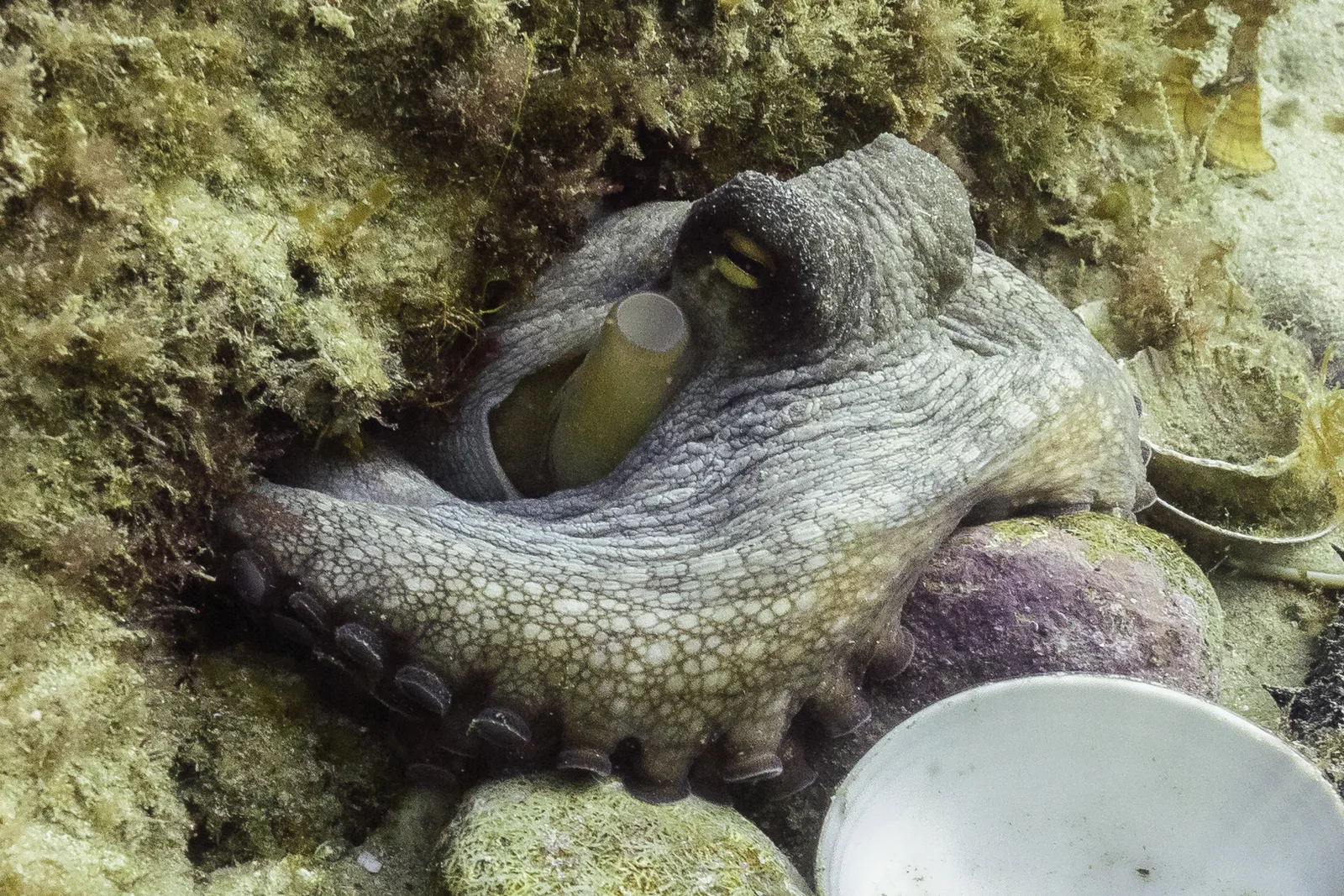
Common Octopus
Octopus vulgaris
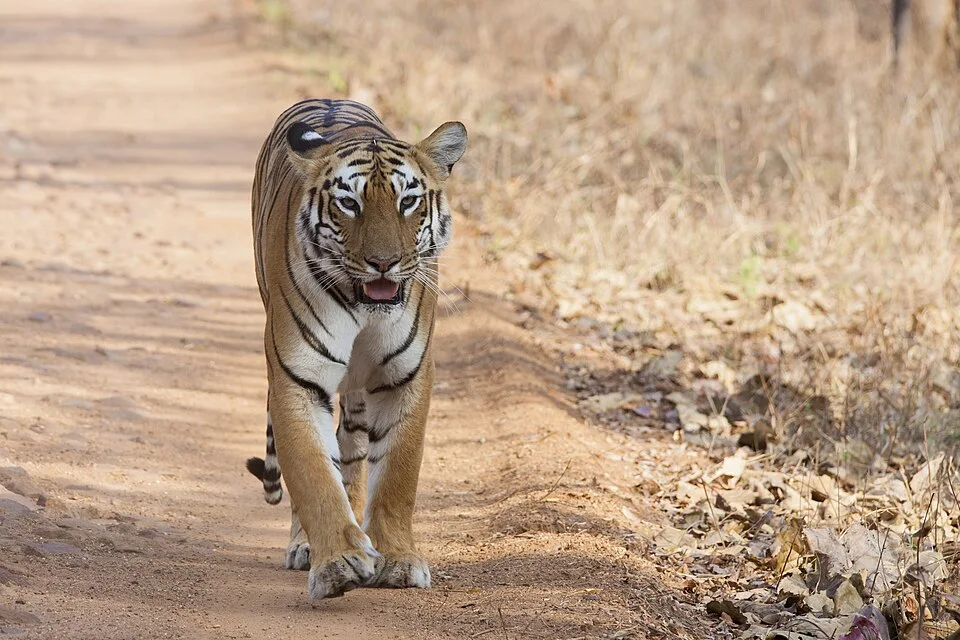
Tiger
Panthera tigris
Evidence from the profiles
Compare their characteristics
| Trait | Common Octopus | Tiger |
|---|---|---|
| Nutrition | Data unavailable | Carnivorous Source ↗ |
| Social organization | Data unavailable | Generally solitary Source ↗ |
| Physical traits | Suckers line the arms, which surround the mouth. Skin color and texture can change, so a single color pattern is not a secure species diagnosis. | Dark stripes break up the tiger’s outline. Stripe patterns vary from one individual to another. |
| Habitat and range | Rocky shores, reefs and other coastal seabeds provide crevices and shelters. Soft-bottom areas can also be used. | Tigers live in varied habitats, including tropical forests, mangrove swamps and temperate forest. |
| Diet and nutrition | Molluscs, crustaceans and other animal prey are captured with the arms and processed with the beak. | Tigers mainly hunt large mammals, including deer and wild pigs. |
| Behavior and activity | Individuals shelter in dens and explore using touch, vision and chemical cues. Learning changes responses to food and shelter. | A tiger usually hunts by stalking its prey and attacking at close range. |
| Reproduction and life cycle | Females tend attached egg strings in protected shelters. Small hatchlings enter a planktonic phase before settling into benthic life. | Data unavailable |
| Geographic distribution | The restricted species concept is associated with the eastern Atlantic and Mediterranean. Older global records may represent related species and need reassessment. | Data unavailable |
| Ecological role | Octopuses consume benthic animals and are themselves prey for larger marine predators. | Data unavailable |
| Distinctive adaptations | Camouflage, flexible arms and jet-assisted escape provide several ways to handle threats. | Data unavailable |
| Conservation | Fishing pressure must be evaluated against local populations and the correct species identity; records from the entire historical complex cannot simply be pooled. | Data unavailable |
Classification
Shared ancestry
Closest shared taxon: Bilateria.