 Living Beings
Compare species
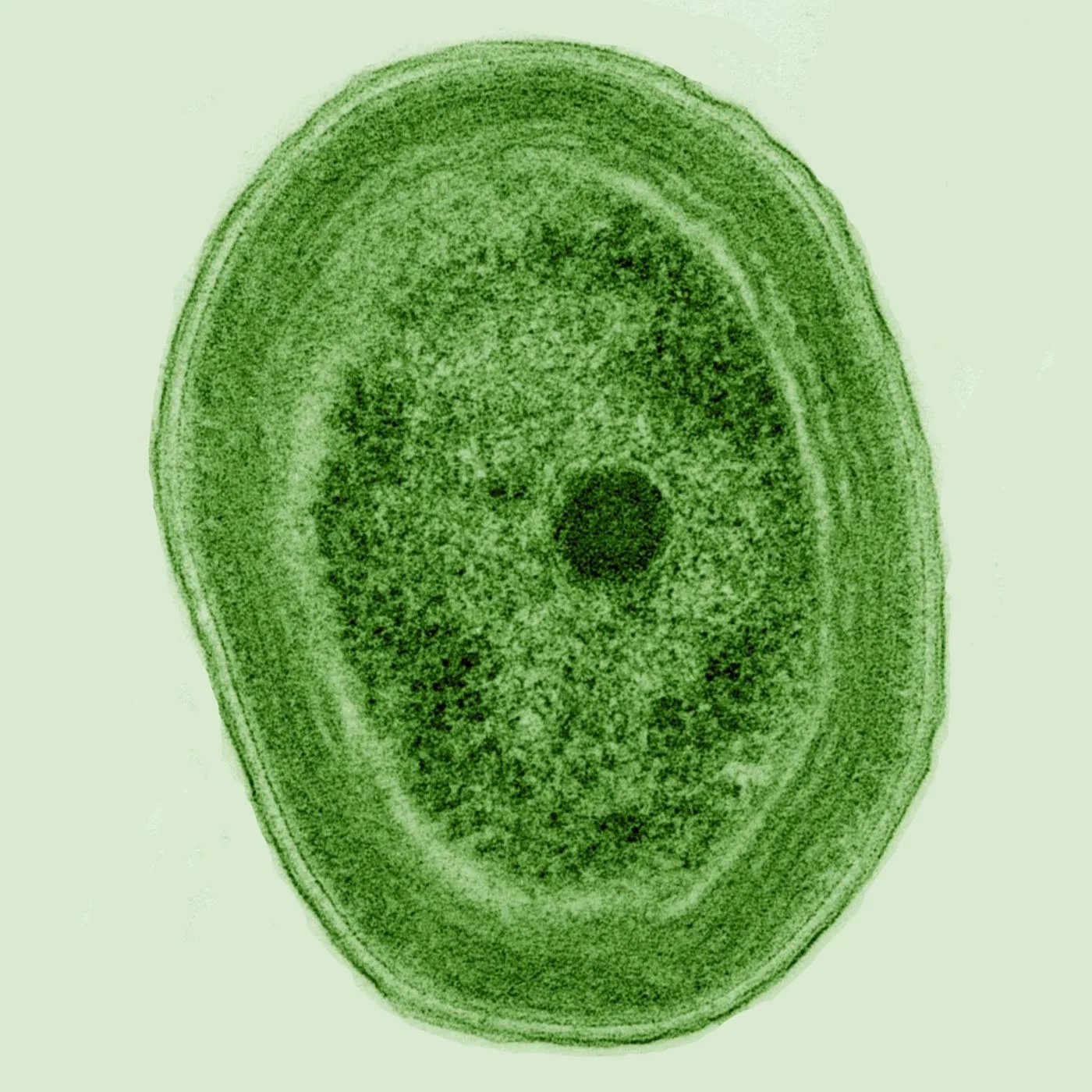
Prochlorococcus marinus
Prochlorococcus marinus
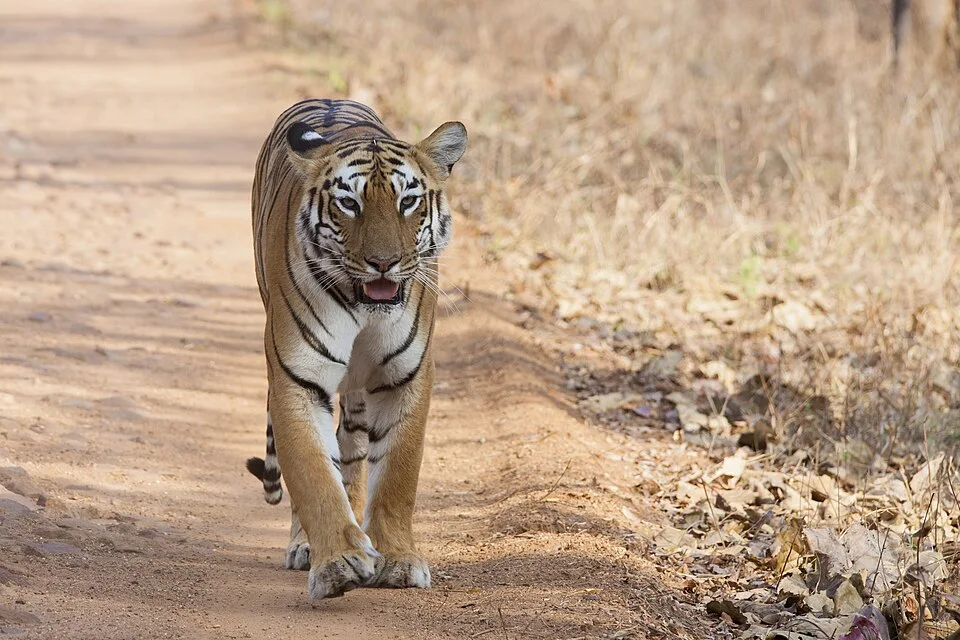
Tiger
Panthera tigris
Evidence from the profiles
Compare their characteristics
| Trait | Prochlorococcus marinus | Tiger |
|---|---|---|
| Nutrition | Data unavailable | Carnivorous Source ↗ |
| Social organization | Not applicable | Generally solitary Source ↗ |
| Physical traits | Individual cells are tiny and require microscopy or other analytical methods for study. Pigments and genetic markers assist identification. | Dark stripes break up the tiger’s outline. Stripe patterns vary from one individual to another. |
| Habitat and range | Illuminated marine waters support these phototrophs. Different ecotypes occupy contrasting light and nutrient conditions. | Tigers live in varied habitats, including tropical forests, mangrove swamps and temperate forest. |
| Diet and nutrition | Photosynthesis supplies energy and fixes inorganic carbon. Dissolved nutrients remain necessary for growth. | Tigers mainly hunt large mammals, including deer and wild pigs. |
| Behavior and activity | Physiological performance depends on environmental light and resource availability; ecotypes have distinct genome and protein signatures. | A tiger usually hunts by stalking its prey and attacking at close range. |
| Reproduction and life cycle | Growth increases cell number through division. Ecotypes describe biological variation, not separate life stages of one cell. | Data unavailable |
| Geographic distribution | The group is important in warm oceanic waters. Ecotype-specific records are more informative than a uniform global range. | Data unavailable |
| Ecological role | These cells contribute primary production to marine microbial food webs and biogeochemical cycling. | Data unavailable |
| Distinctive adaptations | Small cells and differentiated light responses help explain ecological success in dilute ocean environments. | Data unavailable |
Classification
Shared ancestry
Closest shared taxon: cellular organisms.