 Living Beings
Compare species
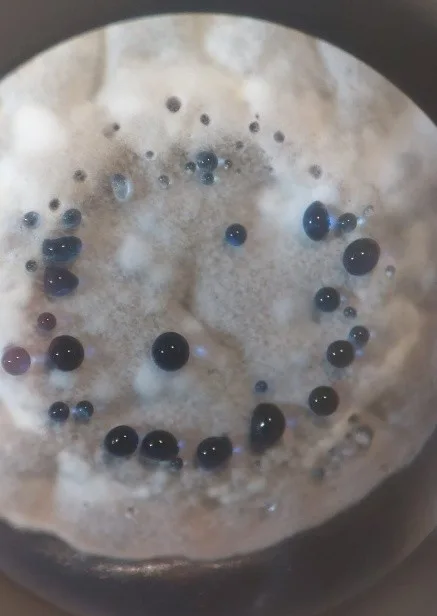
Streptomyces coelicolor
Streptomyces coelicolor
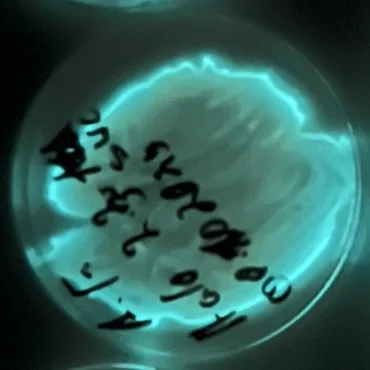
Aliivibrio fischeri
Aliivibrio fischeri
Evidence from the profiles
Compare their characteristics
| Trait | Streptomyces coelicolor | Aliivibrio fischeri |
|---|---|---|
| Physical traits | Branching filaments form colonies with substrate and aerial growth. Spore-bearing aerial structures develop under suitable conditions. | Small bacterial cells require microscopy for direct observation. Light emission is a physiological property, not a visible body-color diagnosis. |
| Habitat and range | Soil and organic substrates provide variable nutrients and exposure to competing microorganisms. | Marine environmental phases and specialized host-associated sites provide distinct growth conditions. |
| Diet and nutrition | Organic substrates provide carbon and energy, supported by varied transport and metabolic systems. | Organic substrates support metabolism. Conditions inside a host can differ substantially from those in surrounding seawater. |
| Behavior and activity | Colony development involves changes in growth form and gene regulation. Secondary-metabolite production is linked with developmental and environmental conditions. | Chemical signaling and population context influence light production and other behaviors relevant to colonization. |
| Reproduction and life cycle | Filamentous vegetative growth can give rise to aerial structures and dispersal spores, which germinate into new growth. | Cell multiplication and repeated opportunities for host colonization connect free-living and symbiotic phases. |
| Geographic distribution | Documented isolates and laboratory strains have specific origins. A3(2) is a research strain, not a geographic population category. | Environmental and host-derived strains have documented collection localities. The origin of one experimental strain does not define the full range. |
| Ecological role | The bacterium participates in soil resource use and chemical interactions with other microbes. | The well-studied squid association demonstrates a microbial contribution to an animal's light-producing system. |
| Distinctive adaptations | The A3(2) genome has a linear chromosome and numerous regulatory genes associated with environmental responses. It also contains clusters for known or predicted secondary metabolites. This helps connect the bacterium’s changing colony development with chemical diversity; the presence of a gene cluster is not evidence that every culture produces an identical mixture. | Bioluminescence, environmental sensing and colonization traits help explain the model symbiosis. |
Classification
Shared ancestry
Closest shared taxon: Bacteria.