 Living Beings
Compare species
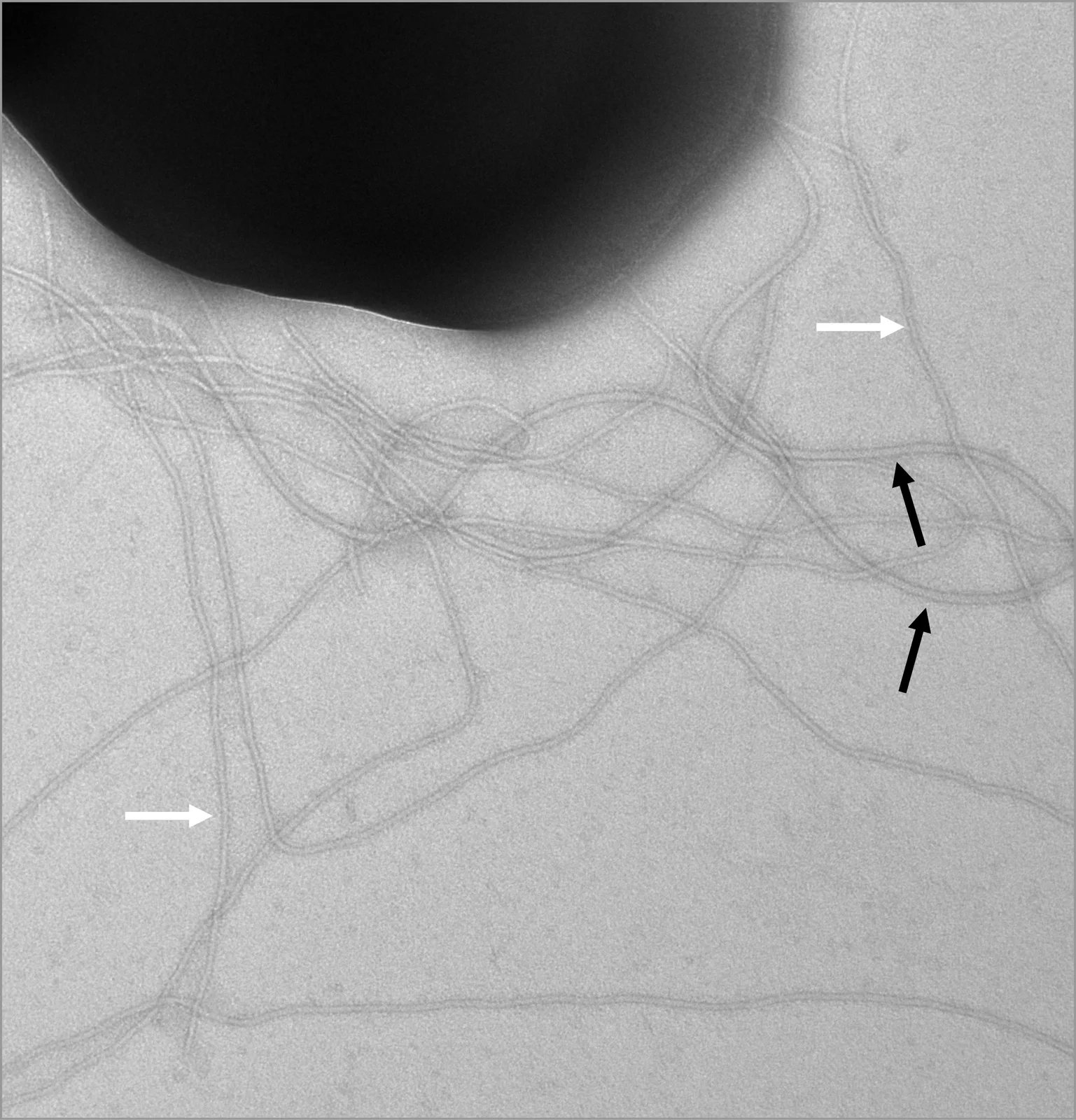
Sulfolobus acidocaldarius
Sulfolobus acidocaldarius
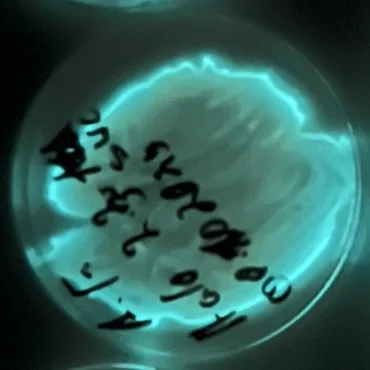
Aliivibrio fischeri
Aliivibrio fischeri
Evidence from the profiles
Compare their characteristics
| Trait | Sulfolobus acidocaldarius | Aliivibrio fischeri |
|---|---|---|
| Physical traits | Cells have small, irregular rounded outlines. Surface structures participate in interactions with the surrounding environment. | Small bacterial cells require microscopy for direct observation. Light emission is a physiological property, not a visible body-color diagnosis. |
| Habitat and range | The genome study describes an aerobic thermoacidophile from terrestrial solfataric springs, with optimal growth around 80 °C and pH 2. Temperature and acidity are separate features of this habitat. The organism is adapted to both, whereas many other archaea occupy environments that are neither hot nor strongly acidic. | Marine environmental phases and specialized host-associated sites provide distinct growth conditions. |
| Diet and nutrition | Energy and carbon use depend on available substrates. The organism is studied under oxygen-containing, hot and acidic culture conditions. | Organic substrates support metabolism. Conditions inside a host can differ substantially from those in surrounding seawater. |
| Behavior and activity | Temperature affects motility and population distribution in experimental work, illustrating an active environmental response. | Chemical signaling and population context influence light production and other behaviors relevant to colonization. |
| Reproduction and life cycle | Chromosome replication and cell division sustain populations. Its relatively stable reference genome contrasts with the more mobile-element-rich genome of some relatives. | Cell multiplication and repeated opportunities for host colonization connect free-living and symbiotic phases. |
| Geographic distribution | Authenticated hot-spring isolates and cultures document occurrence. Not every acidic spring contains the same species or strain. | Environmental and host-derived strains have documented collection localities. The origin of one experimental strain does not define the full range. |
| Ecological role | The archaeon participates in specialized geothermal microbial communities. | The well-studied squid association demonstrates a microbial contribution to an animal's light-producing system. |
| Distinctive adaptations | Cellular machinery functions under combined heat and acidity; these are properties of this lineage, not all Archaea. | Bioluminescence, environmental sensing and colonization traits help explain the model symbiosis. |
Classification
Shared ancestry
Closest shared taxon: cellular organisms.