 Living Beings
Compare species
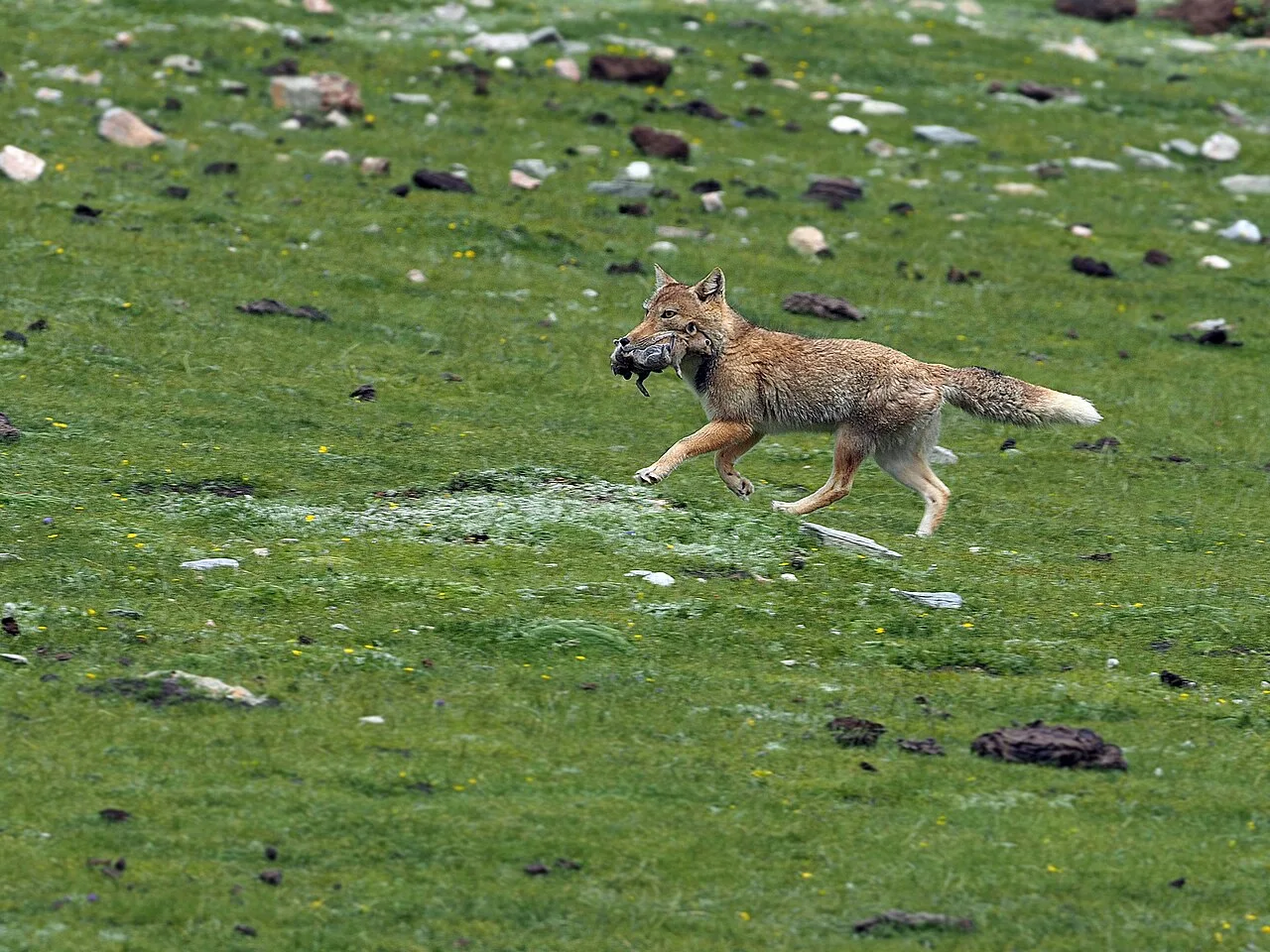
Tibetan Fox
Vulpes ferrilata
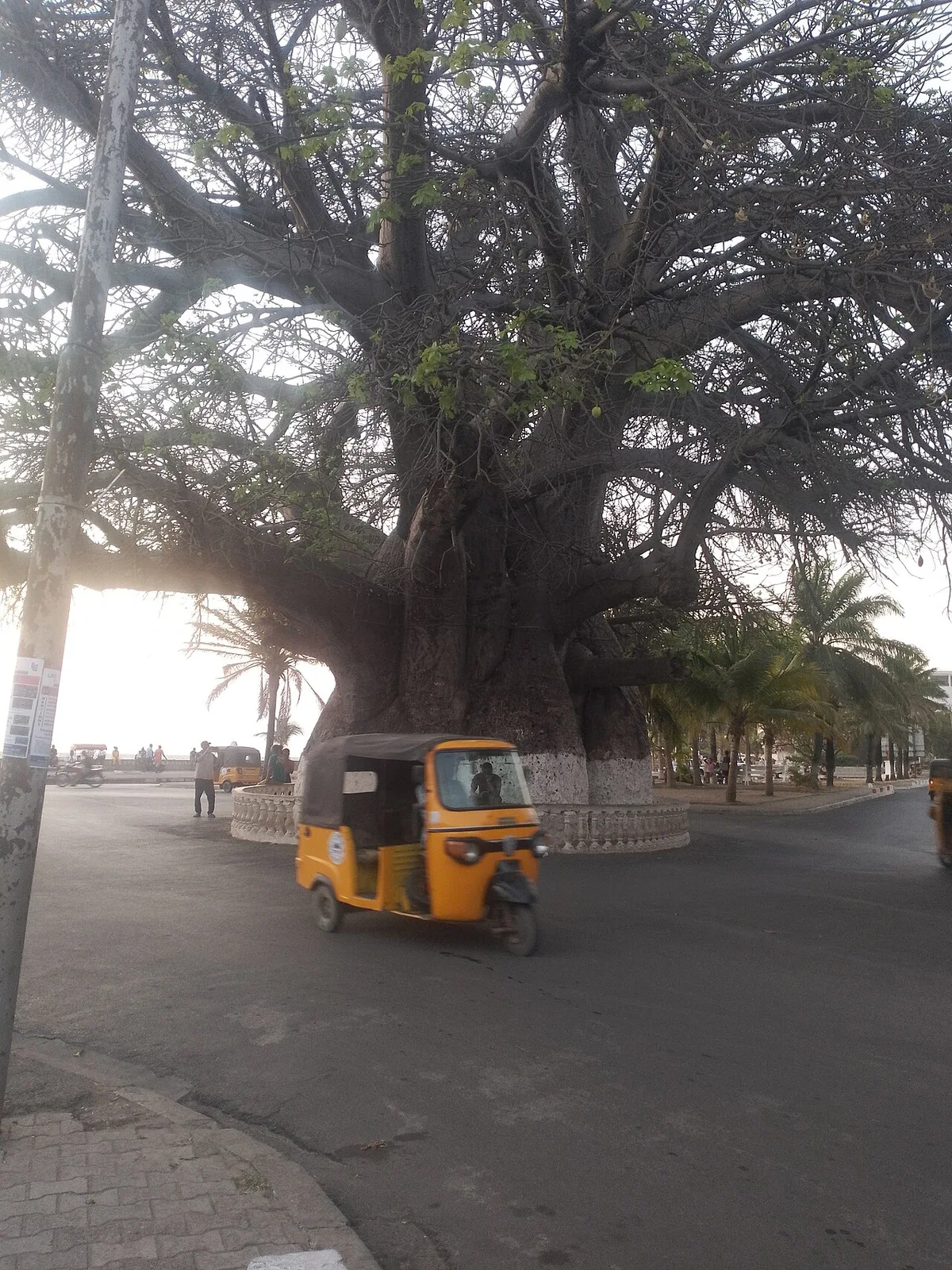
African Baobab
Adansonia digitata
How to compare two organisms
Choose two species and trace their closest shared group. Then compare a trait with the same definition on each side. Check the units, life stage and context before interpreting a measurement or range.
Missing data means that the collection lacks a sourced value. Where a characteristic does not apply to a lineage, the comparison labels it separately. Open the two profiles for context and follow their sources before drawing a conclusion.
Evidence from the profiles
Compare their characteristics
| Trait | Tibetan Fox | African Baobab |
|---|---|---|
| Physical traits | A broad-looking muzzle and dense, contrasting coat give it a distinctive facial profile. | Thick, fibrous bark surrounds a broad trunk. Each compound leaf has several leaflets radiating from a central point. |
| Habitat and range | Rocky, brushy slopes and other open highland habitats provide hunting grounds and shelter. | A terrestrial tree of tropical Africa, it is adapted to seasonally dry conditions and is also planted in gardens and settlements. |
| Diet and nutrition | Pikas and other small mammals are important prey. Other available small animals may also be taken. | Leaves produce sugars through photosynthesis. Water and mineral nutrients are taken up through the roots. |
| Behavior and activity | Mated pairs can associate while foraging. Food availability and the structure of the highland landscape influence local movements. | Data unavailable |
| Reproduction and life cycle | Data unavailable | Large, hanging white flowers develop into capsules containing seeds embedded in pale, powdery pulp. New trees can be grown from seed. |
| Geographic distribution | The Mammal Diversity Database v2.5 records this species in China, India, Nepal, Bhutan?. | Native to Africa and cultivated elsewhere. The accompanying photograph shows a planted specimen in Madagascar; that location should not be confused with the native range of every baobab species. |
| Ecological role | Data unavailable | Its flowers, fruit and extensive woody structure provide biological resources. The familiar name baobab also applies to other species, which should not be confused with this one. |
| Distinctive adaptations | Data unavailable | A substantial trunk and drought-resistant growth form help distinguish this tree from many humid-forest trees. |
Classification
Shared ancestry
Closest shared taxon: Eukaryota.