 Living Beings
 Framed for display
Species · Rana
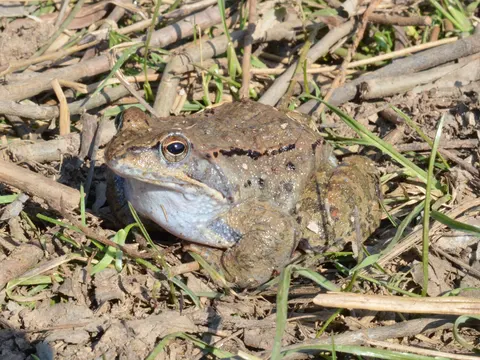
Common Frog
Rana temporaria
The common frog moves between terrestrial feeding habitat and freshwater breeding sites. Its life cycle includes a swimming tadpole that differs markedly …
Explore · Search and Discovery
Search published profiles and refine the results by classification or recorded nutrition.
162 results
Framed for display
Rana temporaria
The common frog moves between terrestrial feeding habitat and freshwater breeding sites. Its life cycle includes a swimming tadpole that differs markedly …
 Framed for display
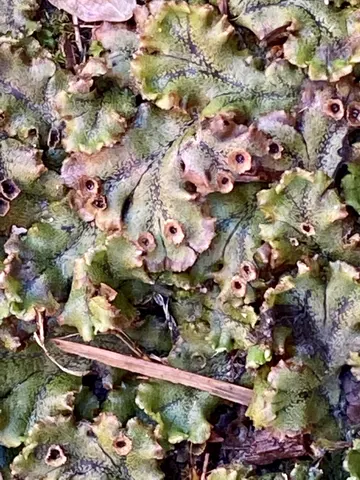
Marchantia polymorpha
Common liverwort spreads as a flattened green thallus rather than a stem with true leaves. Cup-shaped structures on its surface contain tiny …
 Framed for display
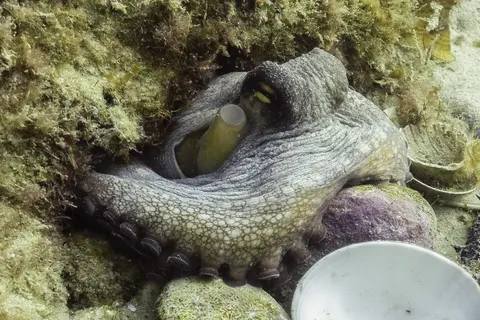
Octopus vulgaris
Eight flexible arms, a soft body and rapidly changing skin make the common octopus an effective coastal predator. The name once covered …
 Framed for display
Helianthus annuus
The common sunflower is a fast-growing annual in the daisy family. Its conspicuous head is a collection of many small flowers, rather …
 Framed for display
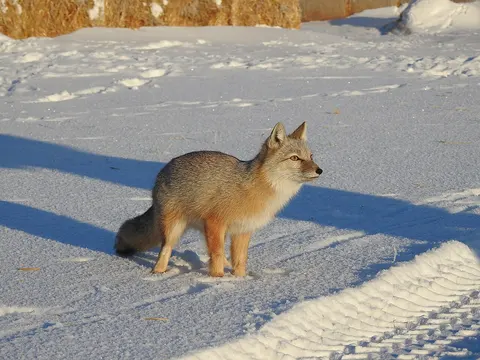
Vulpes corsac
The corsac fox is a canid of Asian steppe and semi-desert. It depends on local shelter and small prey in landscapes that …
 Framed for display
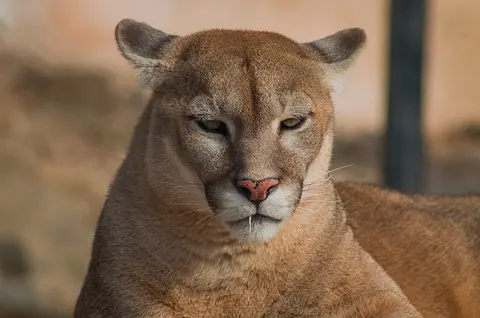
Puma concolor
The cougar is a large American cat known by several common names, including puma and mountain lion. Unlike lions, it generally hunts …
 Framed for display
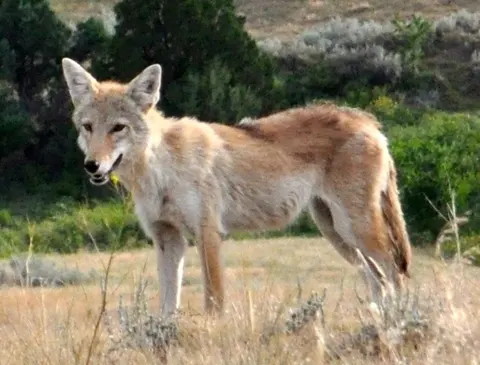
Canis latrans
The coyote is an adaptable North American canid that can live in natural and human-modified landscapes. Its success reflects flexible food use …
 Framed for display
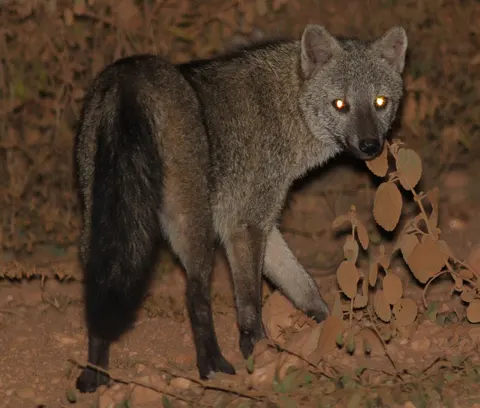
Cerdocyon thous
The crab-eating fox is a South American omnivore with a much broader diet than its common name suggests. It belongs to Cerdocyon …
 Framed for display
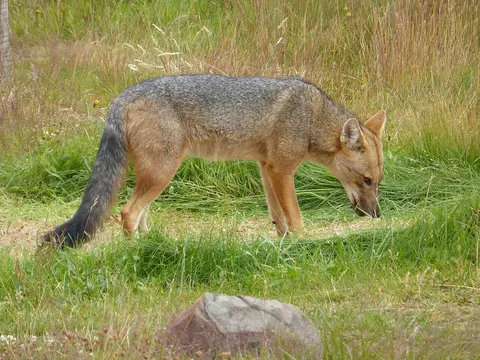
Lycalopex culpaeus
The culpeo is a South American canid also called the Andean fox. Its presence in a range of environments reflects flexible habitat …
 Framed for display
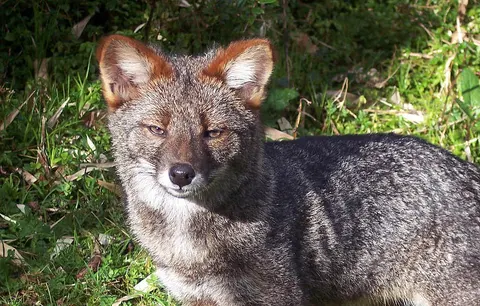
Lycalopex fulvipes
Darwin’s fox is a forest-associated Chilean canid with a restricted distribution. Its natural history differs from the open-country image commonly associated with …
 Framed for display
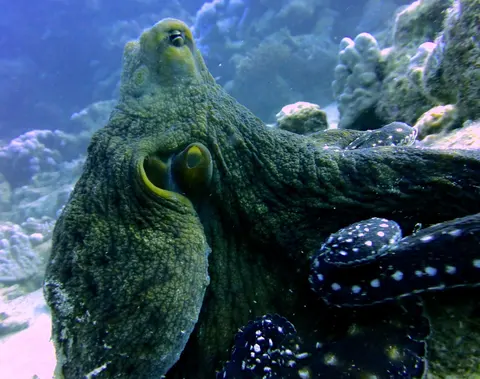
Octopus cyanea
The day octopus is a reef-dwelling cephalopod of the tropical Indo-Pacific. Unlike many octopuses that hunt mainly at night, it often searches …
 Framed for display
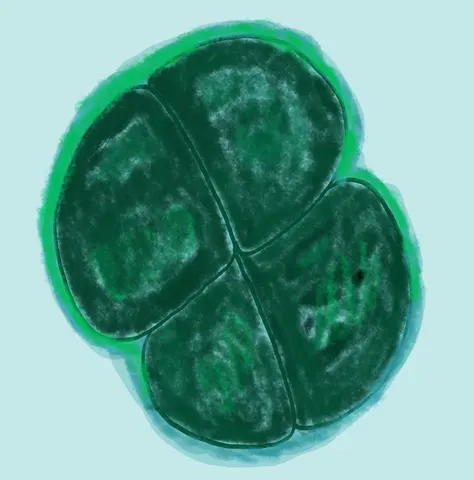
Deinococcus radiodurans
Deinococcus radiodurans is notable for surviving severe damage that would kill many other cells. Studies of strain R1 link this resilience to …