 Living Beings

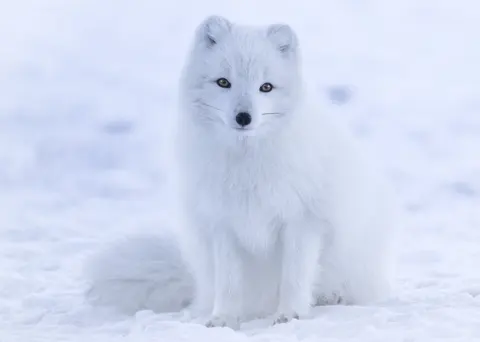 Framed for display
Species · Vulpes
Arctic Fox
Vulpes lagopus
The Arctic fox is a small northern canid adapted to cold, open landscapes. Dense fur, compact ears and fur-covered feet help it …
Life is connected
Explore ecological connections supported by reviewed evidence. Select a record, follow an arrow or trace a path.
1 reviewed ecological connection · 1 connected published profile
 Framed for display
No reviewed ecological connections are recorded for this selection yet. Explore the documented collection. Taxonomic relatives below are classification links, not evidence of an ecological interaction.
Paths follow arrow direction; symmetric relationships can be traversed both ways. Only recorded, reviewed connections are searched.
Drag to orbit or select a node to inspect it. Squares mark habitats. Arrows follow the recorded direction. Positions are schematic.
No reviewed ecological links match this organism yet. An empty network does not mean it has no relationships in nature.
Browse documented connections →0 reviewed connections shown
Another way to explore
These organisms share a recorded family. Classification does not establish an ecological interaction.
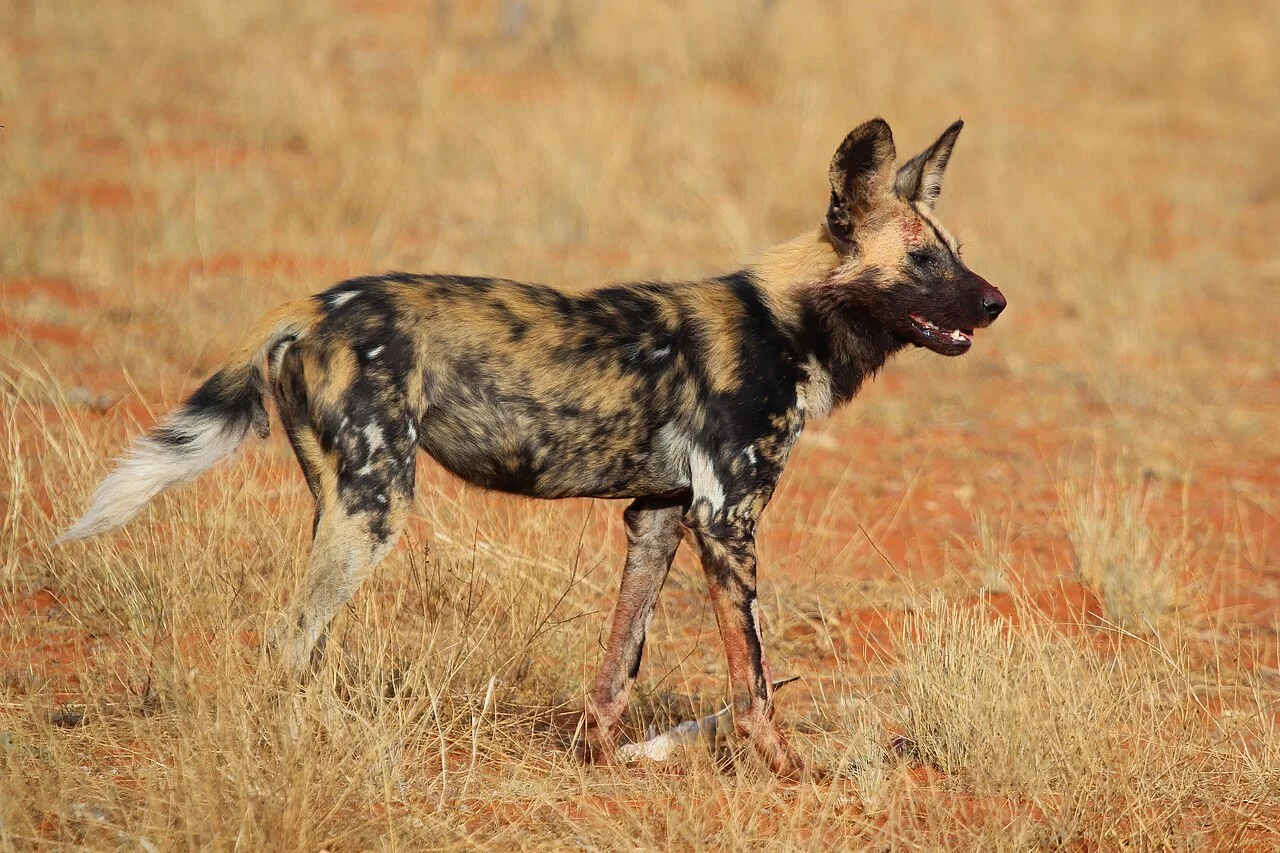
Framed for display
Vulpes lagopus
The Arctic fox is a small northern canid adapted to cold, open landscapes. Dense fur, compact ears and fur-covered feet help it …
 Framed for display
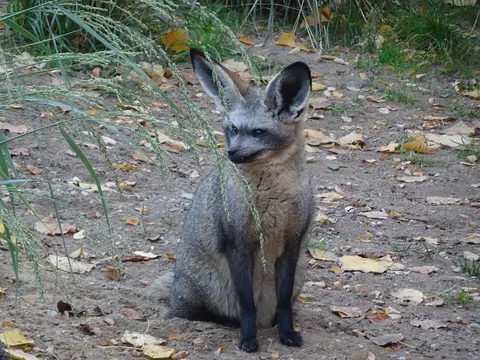
Otocyon megalotis
The bat-eared fox is an African canid whose diet is unusually focused on insects. Large ears are relevant to finding small concealed …
 Framed for display
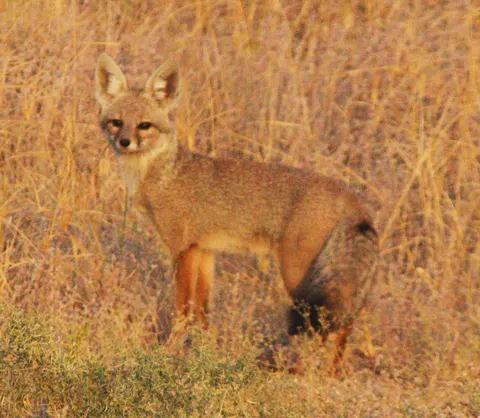
Vulpes bengalensis
The Bengal fox is a South Asian fox of relatively open landscapes. It combines small-animal hunting with the use of seasonal plant …
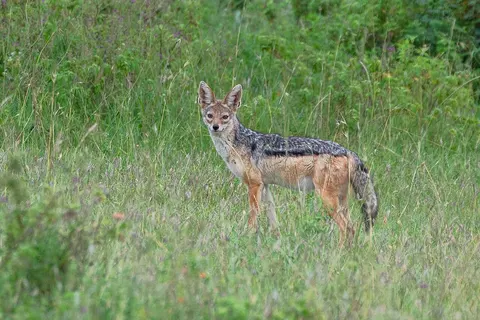 Framed for display
Lupulella mesomelas
The black-backed jackal is an African predator and scavenger recognized by a dark saddle across its back. Its flexibility includes both independent …
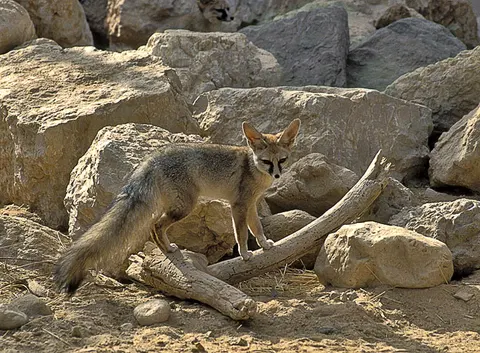 Framed for display
Vulpes cana
Blanford’s fox is a small canid associated with steep, dry terrain. Its feeding ecology includes substantial insect and fruit use, contrasting with …
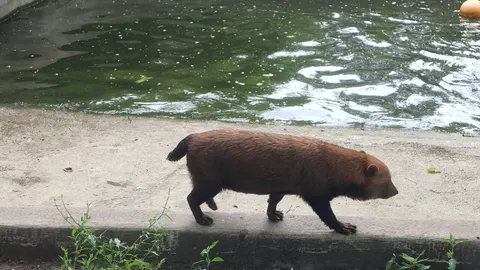 Framed for display
Speothos venaticus
The bush dog is a compact South American canid associated with forests and wet landscapes. Its build and cooperative behavior differ markedly …