 Living Beings
Compare species
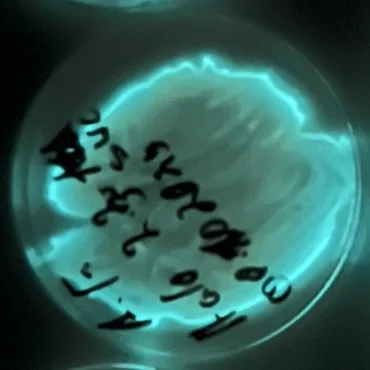
Aliivibrio fischeri
Aliivibrio fischeri
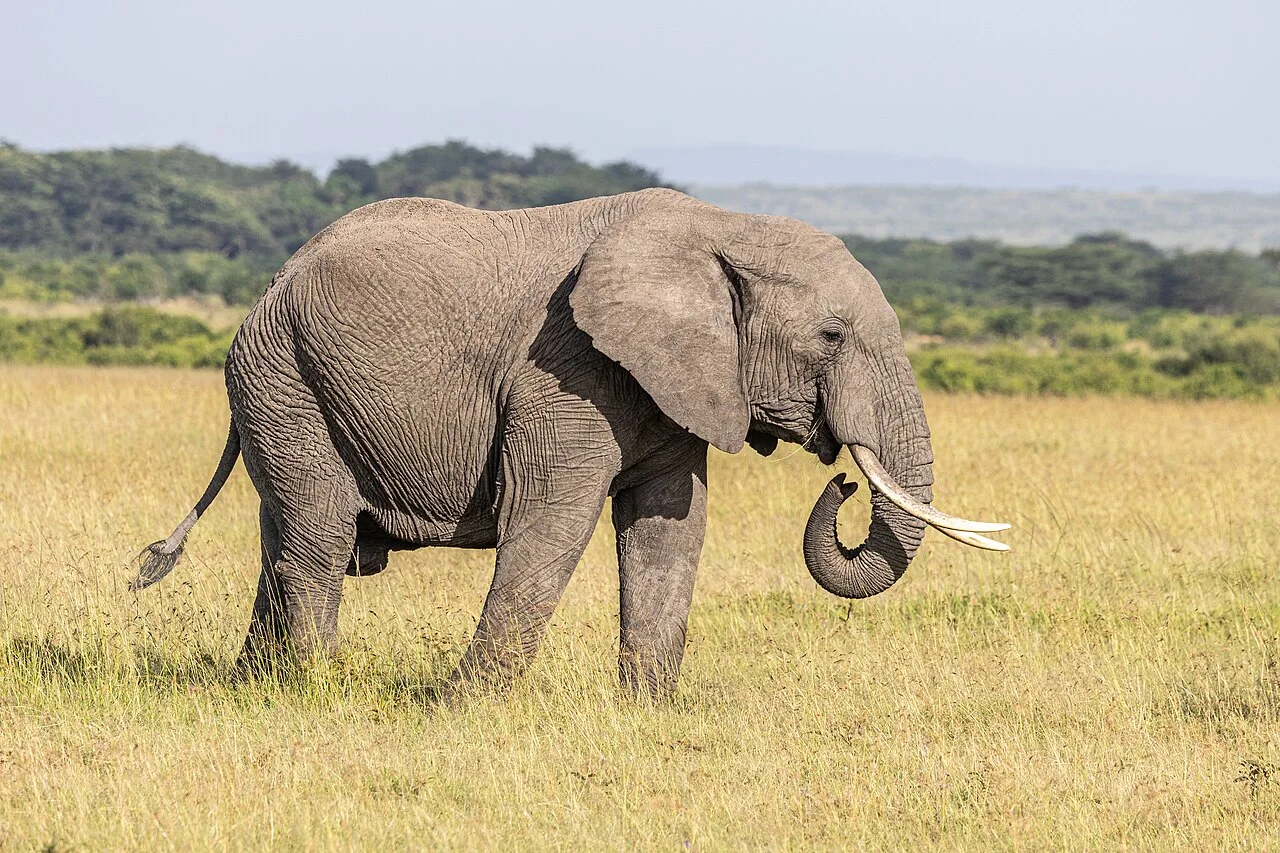
African Savanna Elephant
Loxodonta africana
Evidence from the profiles
Compare their characteristics
| Trait | Aliivibrio fischeri | African Savanna Elephant |
|---|---|---|
| Physical traits | Small bacterial cells require microscopy for direct observation. Light emission is a physiological property, not a visible body-color diagnosis. | Broad ears, a long trunk and column-like legs give the animal its familiar outline. The trunk tip has two finger-like projections. Both sexes can develop tusks. |
| Habitat and range | Marine environmental phases and specialized host-associated sites provide distinct growth conditions. | Savannas and open woodland provide a shifting mixture of browse, grass, shade and drinking water. Seasonal water availability influences the places that herds use. |
| Diet and nutrition | Organic substrates support metabolism. Conditions inside a host can differ substantially from those in surrounding seawater. | Grasses, leaves, bark and other plant material make up its diet. The trunk gathers food and moves it to the mouth. |
| Behavior and activity | Chemical signaling and population context influence light production and other behaviors relevant to colonization. | Female relatives and their young form long-lasting social groups. Older females hold knowledge of familiar routes and resources; adult males have a different pattern of association. |
| Reproduction and life cycle | Cell multiplication and repeated opportunities for host colonization connect free-living and symbiotic phases. | Calves are born alive and depend on milk and extended social care. Learning from other elephants is an important part of growing up. |
| Geographic distribution | Environmental and host-derived strains have documented collection localities. The origin of one experimental strain does not define the full range. | Native to sub-Saharan Africa. This account follows the savanna-elephant species concept rather than treating all African elephants as one species. |
| Ecological role | The well-studied squid association demonstrates a microbial contribution to an animal's light-producing system. | Feeding and movement alter vegetation, and dung transfers seeds and nutrients. Habitat fragmentation and killing for ivory threaten populations. |
| Distinctive adaptations | Bioluminescence, environmental sensing and colonization traits help explain the model symbiosis. | Data unavailable |
Classification
Shared ancestry
Closest shared taxon: cellular organisms.