 Living Beings
Compare species
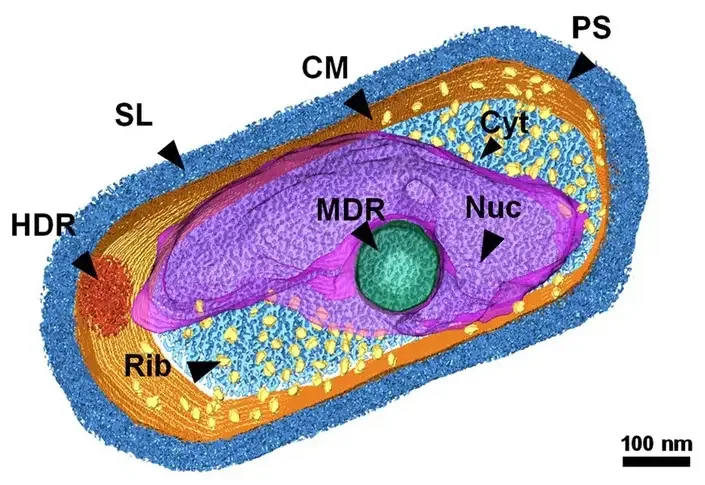
Nitrosopumilus maritimus
Nitrosopumilus maritimus
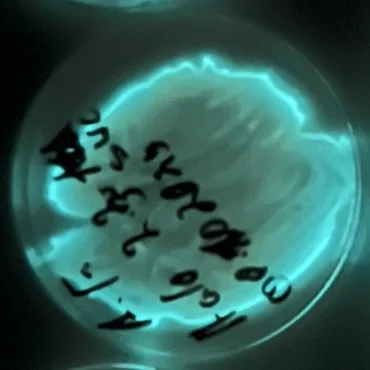
Aliivibrio fischeri
Aliivibrio fischeri
Evidence from the profiles
Compare their characteristics
| Trait | Nitrosopumilus maritimus | Aliivibrio fischeri |
|---|---|---|
| Physical traits | Small cells require microscopic methods for study. Electron microscopy and tomography reveal cellular organization beyond what an ordinary photograph can show. | Small bacterial cells require microscopy for direct observation. Light emission is a physiological property, not a visible body-color diagnosis. |
| Habitat and range | Oxygen-containing marine conditions support ammonia oxidation. The original isolate came from an aquarium-associated marine system. | Marine environmental phases and specialized host-associated sites provide distinct growth conditions. |
| Diet and nutrition | This archaeon gains energy by oxidizing ammonia to nitrite and uses inorganic carbon to build cellular material. The original isolation demonstrated nitrification in an archaeon. Light is not the energy source for this carbon-fixing metabolism, distinguishing it from photosynthetic marine microbes. | Organic substrates support metabolism. Conditions inside a host can differ substantially from those in surrounding seawater. |
| Behavior and activity | Activity links energy metabolism to supplies of ammonia, oxygen and other required resources. | Chemical signaling and population context influence light production and other behaviors relevant to colonization. |
| Reproduction and life cycle | Cell growth and division maintain cultured populations. Molecular and physiological evidence connect strain identity with measured activity. | Cell multiplication and repeated opportunities for host colonization connect free-living and symbiotic phases. |
| Geographic distribution | The isolate is related to archaeal lineages detected widely in marine surveys. Related environmental sequences are not automatically exact species records. | Environmental and host-derived strains have documented collection localities. The origin of one experimental strain does not define the full range. |
| Ecological role | Its metabolism links marine nitrogen transformations with carbon fixation. | The well-studied squid association demonstrates a microbial contribution to an animal's light-producing system. |
| Distinctive adaptations | The capacity for chemolithoautotrophy provides a route to growth without light-driven photosynthesis or an animal host. | Bioluminescence, environmental sensing and colonization traits help explain the model symbiosis. |
Classification
Shared ancestry
Closest shared taxon: cellular organisms.