 Living Beings
Compare species
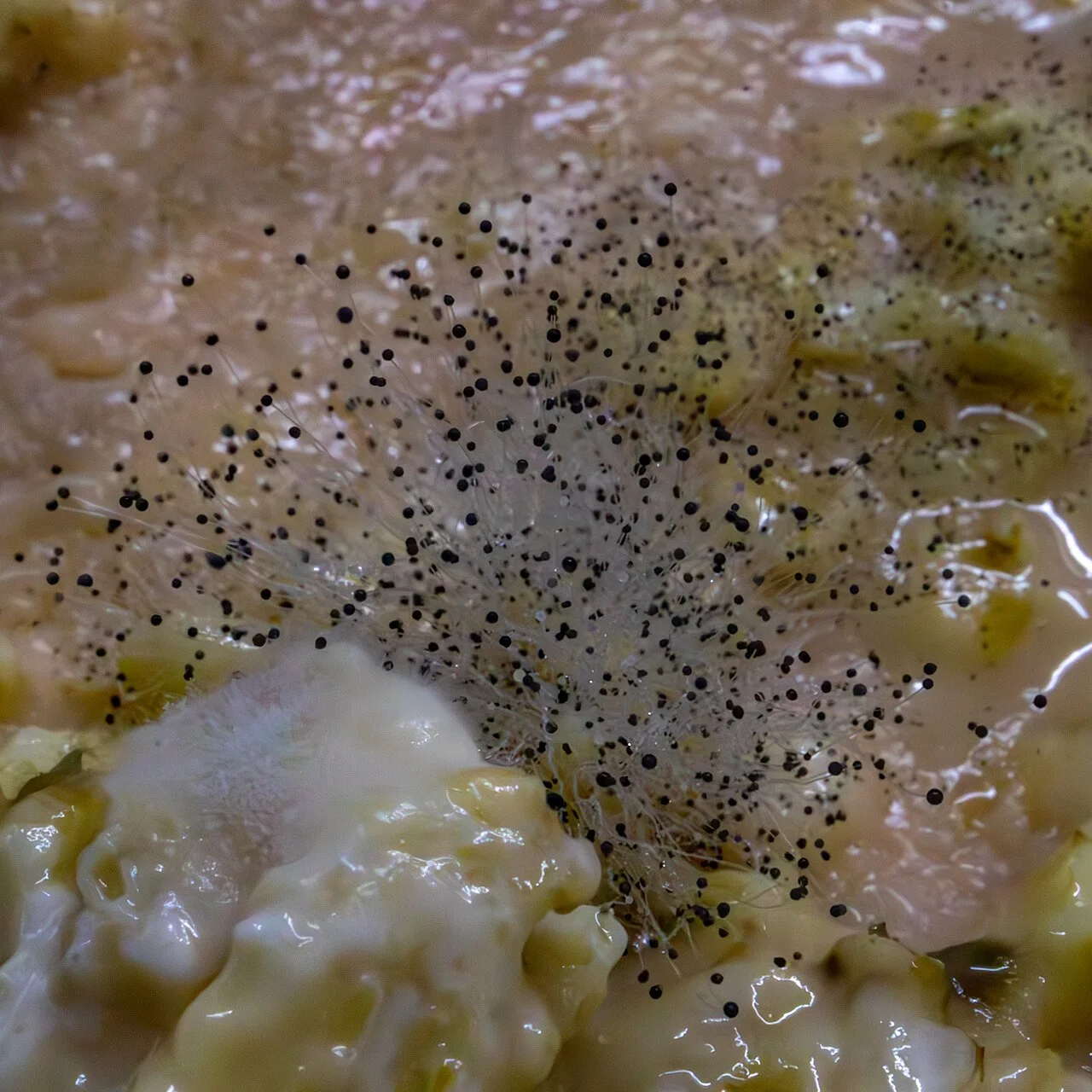
Black Bread Mold
Rhizopus stolonifer
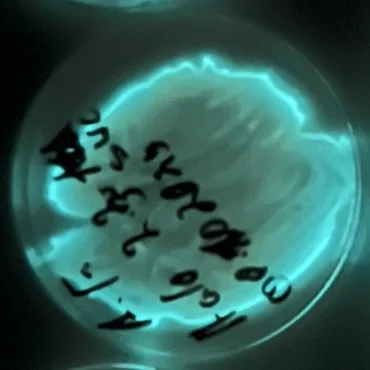
Aliivibrio fischeri
Aliivibrio fischeri
Evidence from the profiles
Compare their characteristics
| Trait | Black Bread Mold | Aliivibrio fischeri |
|---|---|---|
| Physical traits | Stolons spread across the substrate, with anchoring rhizoids and upright sporangiophores bearing rounded sporangia. | Small bacterial cells require microscopy for direct observation. Light emission is a physiological property, not a visible body-color diagnosis. |
| Habitat and range | Moist, nutrient-rich organic material, including damaged plant tissues, can support growth. | Marine environmental phases and specialized host-associated sites provide distinct growth conditions. |
| Diet and nutrition | The fungus absorbs products released from organic substrates, including sugars and starch-containing material. | Organic substrates support metabolism. Conditions inside a host can differ substantially from those in surrounding seawater. |
| Behavior and activity | Rapid hyphal extension spreads a colony; spores allow dispersal beyond the original substrate. | Chemical signaling and population context influence light production and other behaviors relevant to colonization. |
| Reproduction and life cycle | Asexual spores form in sporangia. Compatible mating types can produce thick-walled sexual zygospores with a dormant phase. | Cell multiplication and repeated opportunities for host colonization connect free-living and symbiotic phases. |
| Geographic distribution | Spores and substrate-associated records are widespread. An individual indoor colony still requires identification before being called this species. | Environmental and host-derived strains have documented collection localities. The origin of one experimental strain does not define the full range. |
| Ecological role | Decomposition and spoilage connect its growth with nutrient release from plant-derived material. | The well-studied squid association demonstrates a microbial contribution to an animal's light-producing system. |
| Distinctive adaptations | A spreading stolon system and distinct resting and dispersal structures support different phases of its life. | Bioluminescence, environmental sensing and colonization traits help explain the model symbiosis. |
Classification
Shared ancestry
Closest shared taxon: cellular organisms.