 Living Beings
Compare species
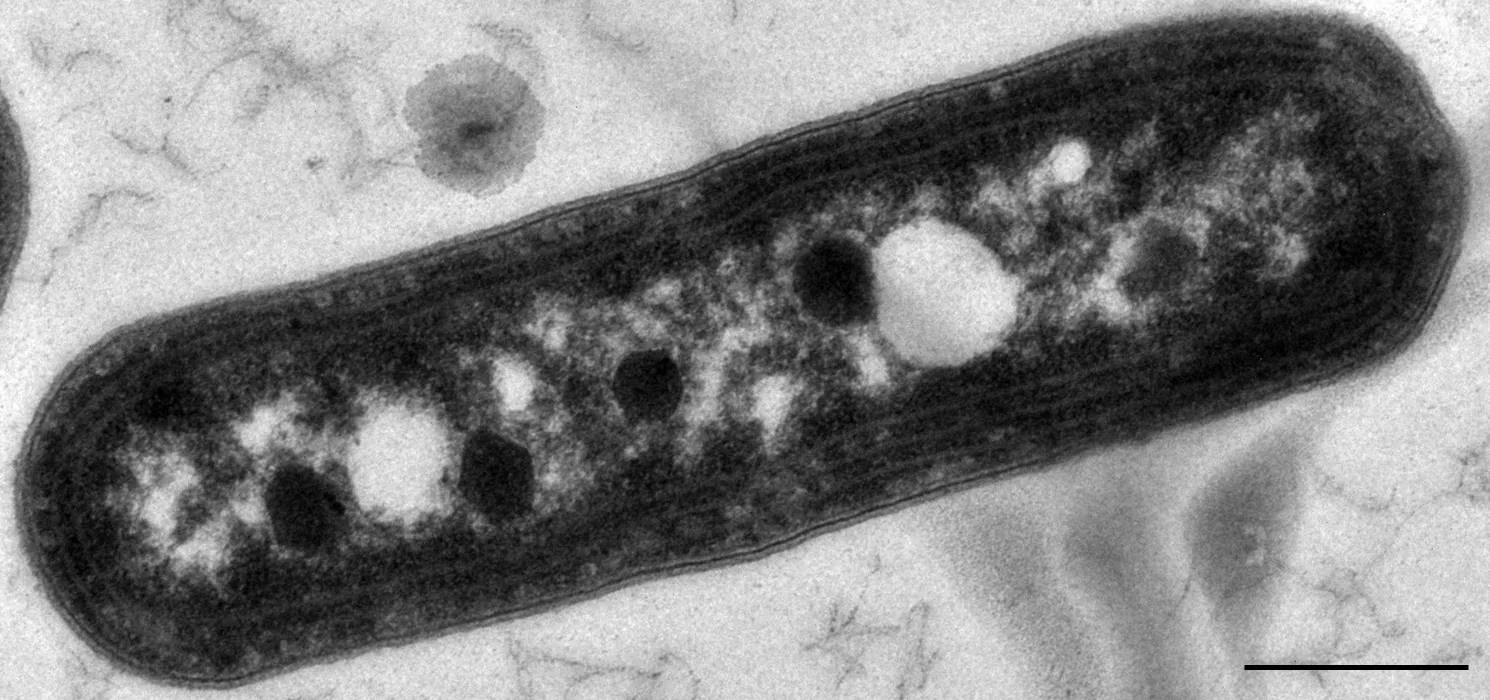
Synechococcus elongatus
Synechococcus elongatus
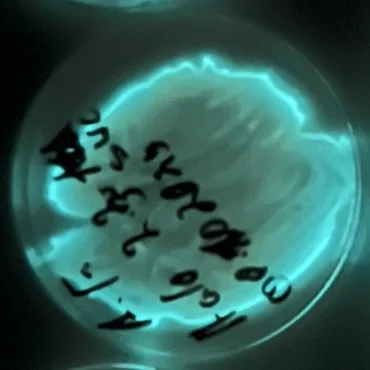
Aliivibrio fischeri
Aliivibrio fischeri
Evidence from the profiles
Compare their characteristics
| Trait | Synechococcus elongatus | Aliivibrio fischeri |
|---|---|---|
| Physical traits | Cells are elongated rods containing photosynthetic membranes and pigments. A green or blue-green culture is not enough for species identification. | Small bacterial cells require microscopy for direct observation. Light emission is a physiological property, not a visible body-color diagnosis. |
| Habitat and range | Freshwater-derived laboratory strains are central to research. They should not be conflated with every marine organism named Synechococcus. | Marine environmental phases and specialized host-associated sites provide distinct growth conditions. |
| Diet and nutrition | Light-driven photosynthesis supports carbon fixation, together with uptake of the inorganic nutrients required for growth. | Organic substrates support metabolism. Conditions inside a host can differ substantially from those in surrounding seawater. |
| Behavior and activity | An internal circadian system influences physiology. Clock function can help coordinate DNA replication with the environment. | Chemical signaling and population context influence light production and other behaviors relevant to colonization. |
| Reproduction and life cycle | Vegetative cells grow and divide. DNA replication and cell division must be coordinated to produce viable descendants. | Cell multiplication and repeated opportunities for host colonization connect free-living and symbiotic phases. |
| Geographic distribution | Research strains are cultured internationally; their use does not establish a complete natural distribution map. | Environmental and host-derived strains have documented collection localities. The origin of one experimental strain does not define the full range. |
| Ecological role | As a phototrophic microbe, it illustrates the production of organic material from inorganic carbon in aquatic communities. | The well-studied squid association demonstrates a microbial contribution to an animal's light-producing system. |
| Distinctive adaptations | Internal timekeeping supports anticipation rather than a response based only on the immediate presence of light. | Bioluminescence, environmental sensing and colonization traits help explain the model symbiosis. |
Classification
Shared ancestry
Closest shared taxon: Bacteria.