 Living Beings
Diet records for reintroduced lions at Lapalala Wilderness, South Africa, included adult plains zebras in the 2019–2020 monitoring period. Source ↗
Published literatureRelationship Network
Explore how an organism connects to its relatives, food, and habitat. Select a connection to read the observation and its source.
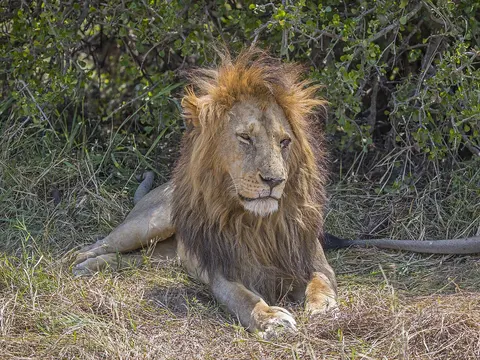
LionPanthera leo
11 displayed connections
Choose a different organism
Find an organism or filter connections
← Return to Dyeing Poison Frog
1 more in food and feeding
Trace a path & display options
Paths follow arrow direction; symmetric relationships can be traversed both ways. Only recorded, reviewed connections are searched.
Drag to orbit or select a node to inspect it. Squares mark habitats. Arrows follow the recorded direction. Positions are schematic.
Researchers recorded adult blue wildebeest among prey of the lions monitored at Lapalala Wilderness. Source ↗
Published literatureBuffalo taken in the Lapalala Wilderness study were predominantly juveniles. This observation describes the monitored lions and prey available there. Source ↗
Published literatureThe Lewa–Borana study in Kenya reported substantial overlap between spotted hyena and lion diets. The evidence describes use of some of the same prey species. Source ↗
Published literatureThe species account records lions in savanna, grassland and several other habitats, including open woodland. Source ↗
Published literatureThe Cat Specialist Group identifies conflict over livestock and subsequent killing of lions as a threat to some populations. Source ↗
Published literatureThe Cat Specialist Group describes wild prey depletion as a contributor to lion population declines in affected areas. Source ↗
Published literatureBoth profiles belong to the genus Panthera. Source ↗
ClassificationBoth profiles belong to the genus Panthera. Source ↗
ClassificationPrincipal classification in the Living Beings taxonomy. Source ↗
ClassificationPrincipal classification in the Living Beings taxonomy. Source ↗
Classification11 connections shown
Another way to explore
Relatives in the collection
These organisms share a recorded family. Classification does not establish an ecological interaction.
 Framed for display
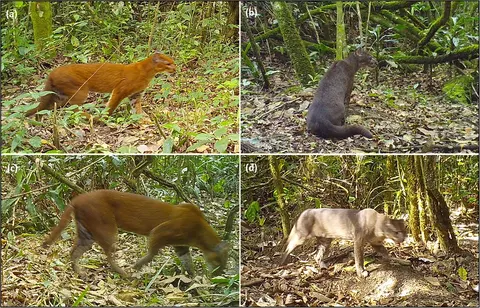
Species · Caracal
African Golden Cat
Caracal auratus
The African golden cat is an elusive forest cat, distinct from the Asian golden cat despite their similar common names. Understanding this …
 Framed for display
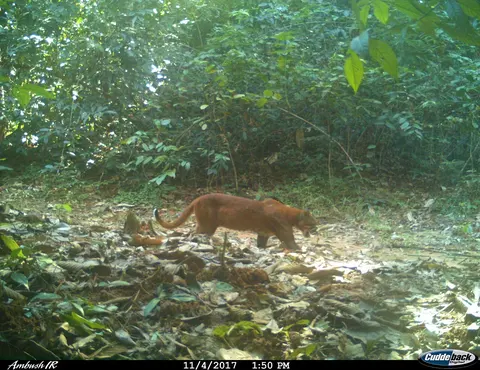
Species · Catopuma
Asian Golden Cat
Catopuma temminckii
The Asian golden cat is a medium-sized forest felid with variable coloration. Its name should not be taken to mean that every …
 Framed for display
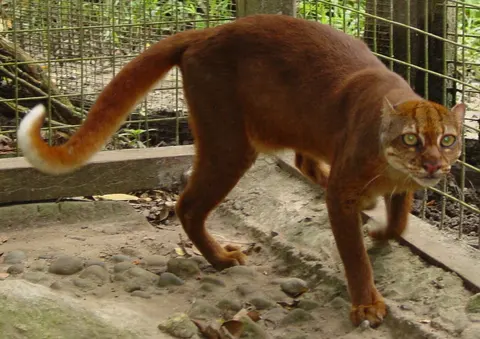
Species · Catopuma
Bay Cat
Catopuma badia
The bay cat is a rarely observed forest cat of Borneo. Because information remains limited, confident claims about its population or detailed …
 Framed for display
Species · Felis
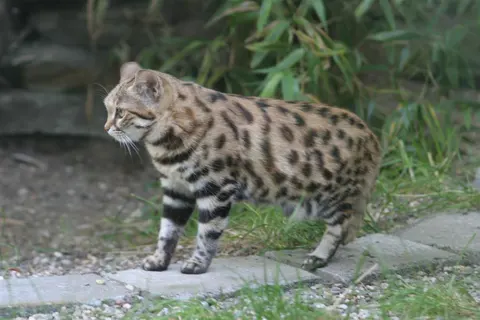
Black-footed Cat
Felis nigripes
The black-footed cat is a small southern African hunter of open, dry country. It is a separate species from the domestic cat …
 Framed for display
Species · Lynx
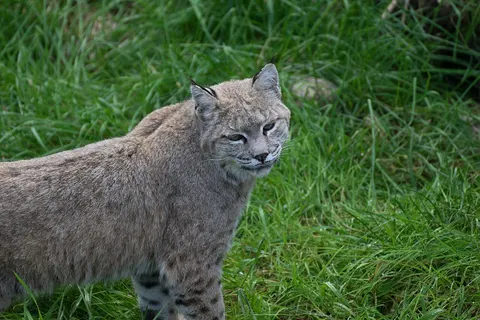
Bobcat
Lynx rufus
The bobcat is a short-tailed North American felid that uses many different environments. Its adaptability should not obscure its need for cover, …
 Framed for display
Species · Lynx
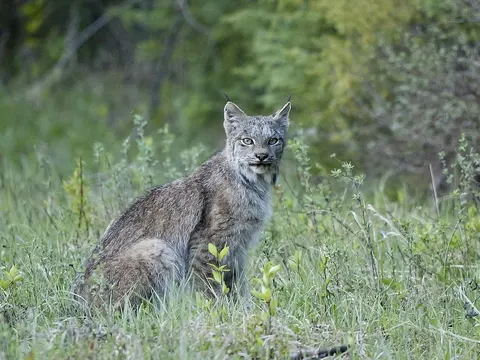
Canada Lynx
Lynx canadensis
The Canada lynx is a northern forest cat with a close ecological connection to snowshoe hares. Changes in hare abundance can influence …