 Living Beings
Compare species
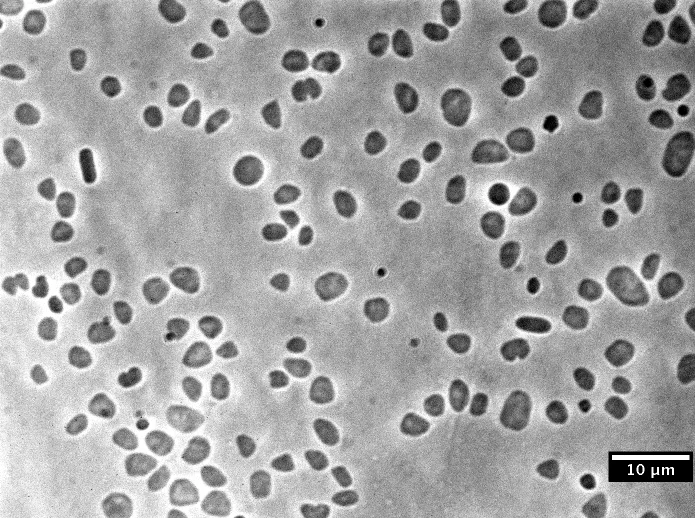
Haloferax volcanii
Haloferax volcanii
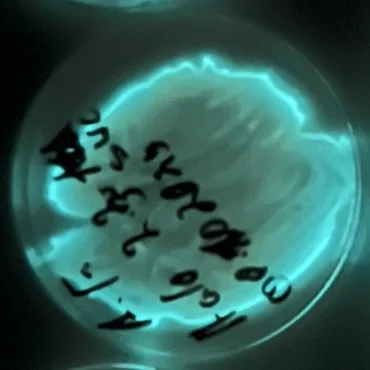
Aliivibrio fischeri
Aliivibrio fischeri
Evidence from the profiles
Compare their characteristics
| Trait | Haloferax volcanii | Aliivibrio fischeri |
|---|---|---|
| Physical traits | Cells require microscopy for observation. The sequenced type strain DS2 carries a main chromosome, three smaller chromosomes and a plasmid. Those DNA elements are not membrane-bound nuclei. Their organization helps explain why studying an archaeon involves more than treating it as a small version of a familiar bacterium. | Small bacterial cells require microscopy for direct observation. Light emission is a physiological property, not a visible body-color diagnosis. |
| Habitat and range | Saline environments and appropriately salt-rich culture media support growth. | Marine environmental phases and specialized host-associated sites provide distinct growth conditions. |
| Diet and nutrition | Organic nutrients can support growth in simple defined media. Salt balance is a physiological requirement rather than a food source. | Organic substrates support metabolism. Conditions inside a host can differ substantially from those in surrounding seawater. |
| Behavior and activity | Cellular responses to salt and available resources are studied using a developed genetic toolkit. | Chemical signaling and population context influence light production and other behaviors relevant to colonization. |
| Reproduction and life cycle | Cells multiply through division. Experiments can follow inherited genetic changes through successive generations of a culture. | Cell multiplication and repeated opportunities for host colonization connect free-living and symbiotic phases. |
| Geographic distribution | The type strain DS2 is a defined reference for genomic work. Worldwide use in laboratories is separate from the distribution of environmental populations. | Environmental and host-derived strains have documented collection localities. The origin of one experimental strain does not define the full range. |
| Ecological role | Its life in saline microbial communities provides a contrast with the marine ammonia oxidizers and gut methanogens elsewhere in Archaea. | The well-studied squid association demonstrates a microbial contribution to an animal's light-producing system. |
| Distinctive adaptations | Salt-adapted physiology and a multipartite genome are important features of the reference strain. | Bioluminescence, environmental sensing and colonization traits help explain the model symbiosis. |
Classification
Shared ancestry
Closest shared taxon: cellular organisms.